How World War I and flu reshaped Indiana high school basketball
War, draft rules, and the flu pushed Indiana basketball out of ordinary routines and into the center of town life, where the game grew tougher and bigger.
Indiana gym nights were forged under pressure. In Bloomington in September 1918, a sports reporter saw the danger immediately: only two high school players were young enough to be exempt from draft registration, and a month later influenza had knocked six of the squad’s 14 players out of action.
A roster pulled apart by war
The draft was not a distant backdrop. The third World War I registration began on September 12, 1918, and covered men ages 18 through 45, widening the net just as high school athletes were trying to stay on the court. Indiana had already been feeling that pull for more than a year, with 39 civilians from Blackford County drafted in September 1917 and the state ultimately sending 130,670 soldiers to the war, including more than 39,000 volunteers.
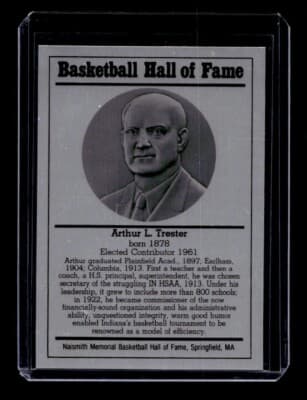
That pressure landed on a state basketball scene that was still young and still organizing itself. The Indiana High School Athletic Association traces its founding to December 29, 1903, when George W. Benton, Lotus D. Coffman, and J. T. Giles formed the first Board of Control; by March 1, 1904, the association had only fifteen member high schools. In other words, Indiana basketball was building its rules, its tournament, and its identity at the same time that the war was draining away the boys, alumni, and young men who made those teams run.
When flu turned the season inside out
Influenza hit Indiana in September 1918, and the public-health response moved fast. On September 21 in Indianapolis, Herman G. Morgan of the Indianapolis Board of Health urged residents to avoid crowds and poorly ventilated quarters, use a handkerchief when coughing or sneezing, and stay indoors and isolate if sick. By October 6, the statewide order had gone further, calling for the immediate closure of schools, churches, theaters, amusements of all kinds, and public meetings and gatherings, with instructions sent by telegram through county health channels.
That order cut straight through basketball schedules. South Bend canceled its first game of the season against Elkhart on account of the flu, and Bloomington High’s expected opening on October 18 was blown apart when the city quarantine forced cancellations against Waldron, Orleans, Mitchell, Sullivan, Greencastle, and Indianapolis Technical. Those are not abstract disruptions. They are the week-to-week losses that turned a season into a scramble for whoever was still healthy enough to play.
Courts, halls, and the places basketball could still gather
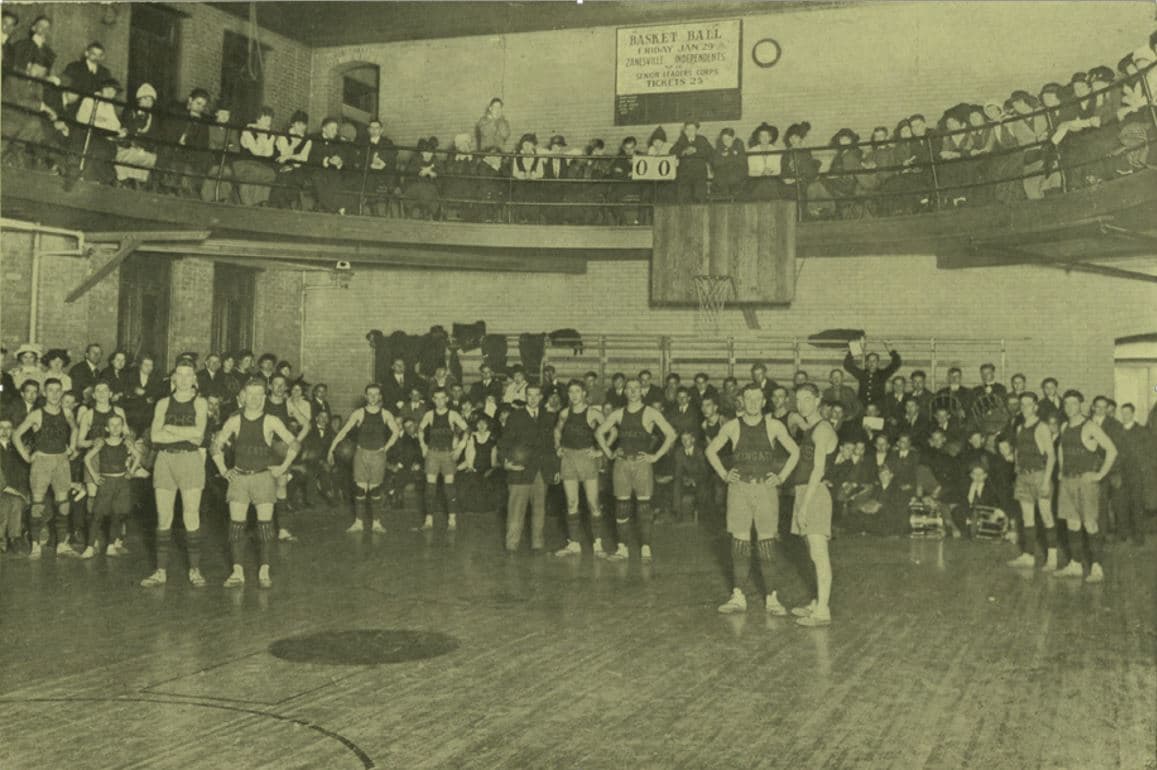
Even in crisis, the biggest games kept finding a floor. The 1918 state title game between Lebanon and Anderson was played at Indiana University’s New Gymnasium, and the IHSAA records later trace championship games through venues like the Old Coliseum in Indianapolis, the Exposition Building, and Butler Fieldhouse. The sport was already rooted in spaces that were public, flexible, and communal, which made it easier for basketball to survive when schools, churches, and other gathering places were shut down.
That matters because Indiana basketball was never just about a school team. It was a town function, a night out, and a civic marker all at once. When school buildings closed and quarantine orders spread, the game did not disappear. It migrated into whatever hall, gym, or multipurpose venue could still hold a crowd, keeping the ritual alive even as the emergency kept reshaping it.
The crowd came back bigger
The lasting effect shows up in the numbers. The Indiana History Blog says state tournament attendance rose from 2,500 before and during the war to 15,000 several years later. The IHSAA boys basketball records book shows the tournament continuing through the 1917-18, 1918-19, and 1919-20 seasons, which is the clearest sign that the championship did not simply pause and restart, but pushed through war and pandemic strain.
That arc is the real origin story of Indiana’s gym culture. The draft thinned rosters, flu emptied classrooms, and quarantine orders shut down the usual rhythm of public life. What survived was the habit of gathering anyway, and the payoff was a deeper, louder basketball culture that emerged from crisis with more of the state invested in it than before.
This article was produced by Prism’s automated news system from verified source data, official records, and press releases, then run through automated quality and moderation checks before publishing. The system is built and supervised by the people who set the standards it runs under. Read our full AI policy.
Did this article answer your question?