IHSAA Approves Personal Branding Activities for Athletes in 13-5 Vote
Indiana high school athletes can now profit from personal branding, but not in school gear, on school property, or through school-run deals.
The IHSAA opened the door to a new money stream for Indiana athletes on Monday, but it drew a hard line around the school itself. By a 13-5 vote in Indianapolis, the Board of Directors approved Personal Branding Activities, a rule that will let student-athletes build and sell their own image starting with the 2026-27 school year.
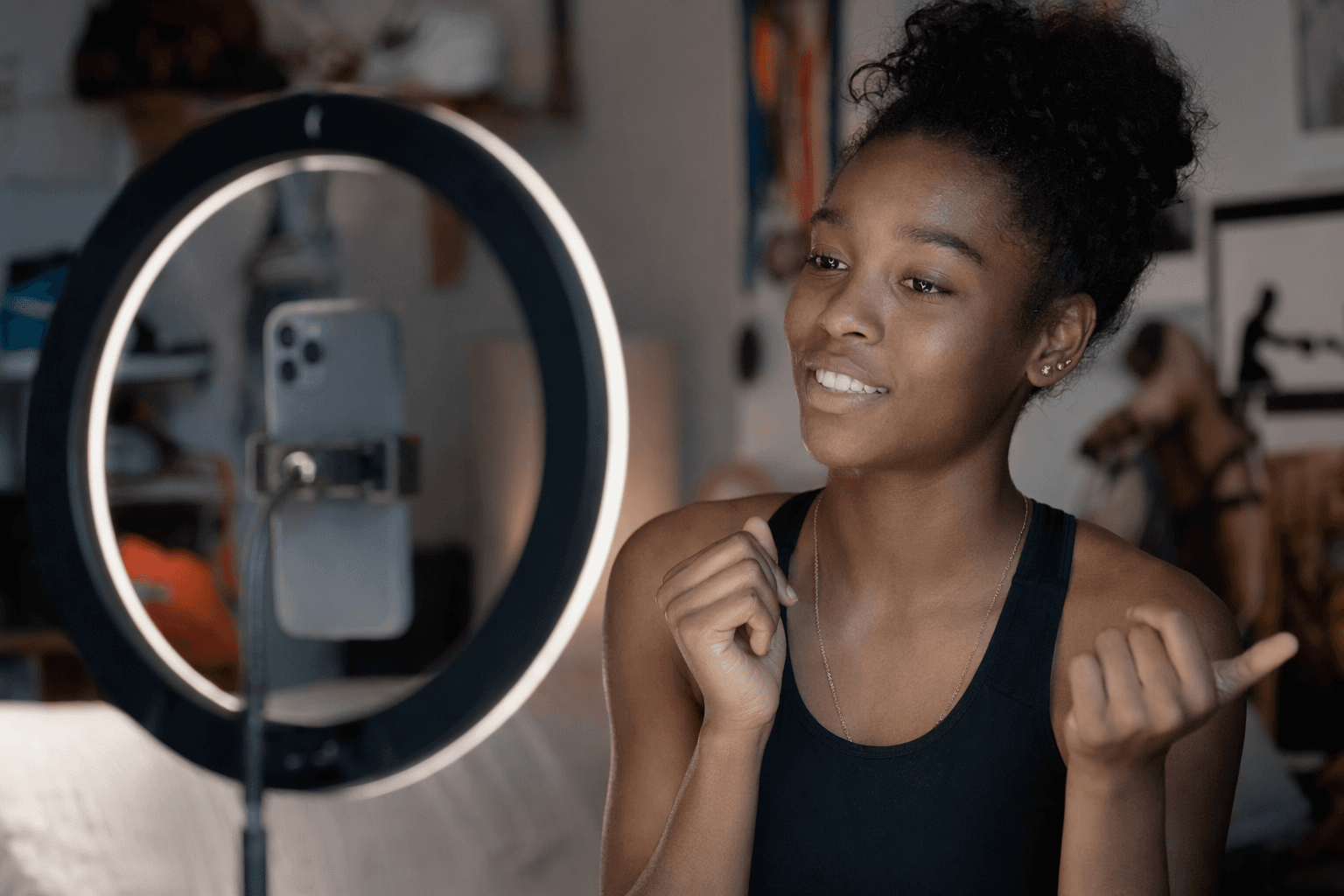
The change matters first for the players most likely to draw attention before college: top basketball prospects, social media standouts, and multisport athletes with recognizable followings. Under the new policy, they may take part in endorsements, personal appearances, social media brand building, tutoring, personal training instruction, and youth coaching for reasonable compensation. What they cannot do is turn that work into a billboard for their school.
That boundary is where the confusion will start. The IHSAA said athletes may not use school affiliation, wear a uniform, depict a member school, or rely on school facilities or property in connection with PBA compensation. Schools also cannot arrange or fund deals, and they cannot use PBA as a recruiting tool. Commissioner Paul Neidig said the association wanted a clear distinction between high school athletics and the college NIL model, keeping the educational mission intact while allowing students to benefit independently.
For Indiana basketball families, the practical impact reaches beyond the headline. A rising guard with a strong online presence could now sign a local endorsement or do paid instructional work, but a photo shoot in a varsity jersey or a camp promotion tied to a member school would cross the line. The gray areas will likely land in everyday conversations between coaches, parents, and compliance-minded administrators: what counts as school representation, how much school linkage is too much, and whether an appearance at a gym, clinic, or youth event can be separated cleanly from the athlete’s team identity.
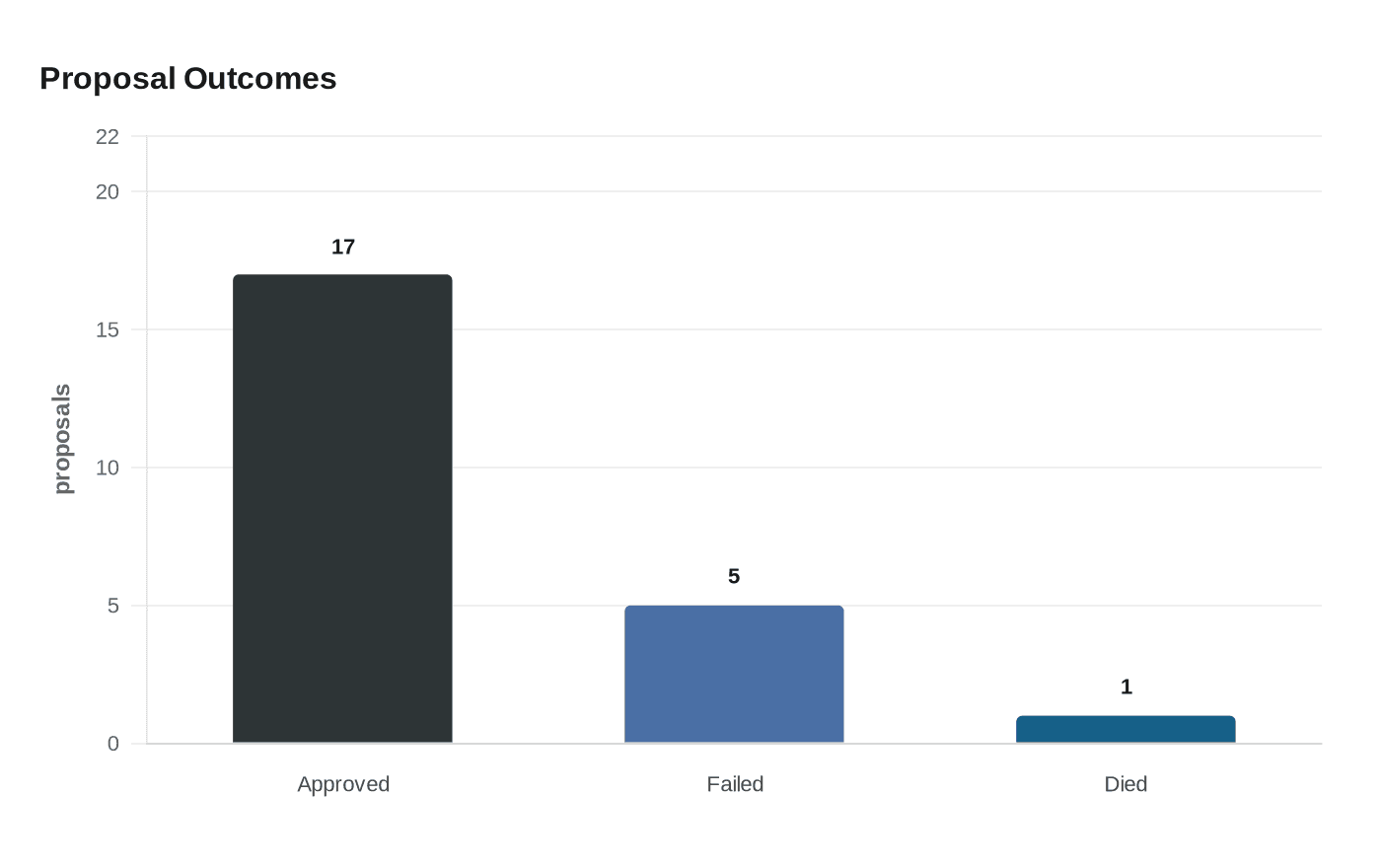
The vote also carries precedent value. Indiana had been among the states still blocking high school athletes from monetizing their name, image, and likeness, so the 13-5 decision marks a major policy shift rather than a minor by-law edit. The board approved 17 proposals at the annual meeting, five failed, and one died without a motion, but the PBA move stood out as the one with the biggest long-term effect on the business side of Indiana basketball.
Tom Black of East Central High School led the board as president, with Jeff Hamstra of Chesterton High School as vice president. The IHSAA said it held eight statewide informational visits in the two weeks before the vote, a sign of how much debate surrounded the rule before the board settled it. The shot clock proposal failed, but the branding rule passed, and that alone will reshape how Indiana’s high-profile players navigate visibility, opportunity, and amateur status.
Know something we missed? Have a correction or additional information?
Submit a Tip