IHSAA to Vote on Allowing Indiana High School Athletes to Profit from NIL
An IHSAA vote on May 4 could let Indiana athletes profit from NIL, reshaping recruiting, locker-room equity and the next wave of Hoosier basketball stars.

In Indiana basketball, a player can become a name long before he becomes a business. That could change at the IHSAA’s annual meeting on May 4, when the Board of Directors will vote on a Personal Branding Activity proposal that would let high school athletes profit from their name, image and likeness.
The timing is significant because the board meets every year on the first Monday in May to consider bylaw changes proposed by member-school principals or the commissioner. Indiana is one of four states that still does not allow high school athletes to monetize NIL, so a yes vote would move the state toward the national model that has already taken hold in much of the country.
The National Federation of State High School Associations said 36 state associations had enacted NIL policies by June 2024, and its guidance still draws a hard line between personal branding and school-based promotion. Even in states that allow NIL, athletes cannot profit while wearing the school uniform or being connected to the school in any fashion. That distinction is at the center of the debate in Indiana, where the next breakout scorer from Indianapolis or the next small-school star from the other end of the state could soon have very different opportunities depending on how the IHSAA writes the rules.
Michigan offers the clearest neighbor-state comparison. Its high school association expanded its personal branding activity policy effective immediately on January 27, 2026, allowing student-athletes to earn money from endorsements, appearances, social media promotions, autograph and photo sessions, merchandise, apparel and similar opportunities. At the same time, Michigan drew firm boundaries against pay-for-play, collectives, boosters, school logos and identifiers, school property and inducements to attend or remain at a school.
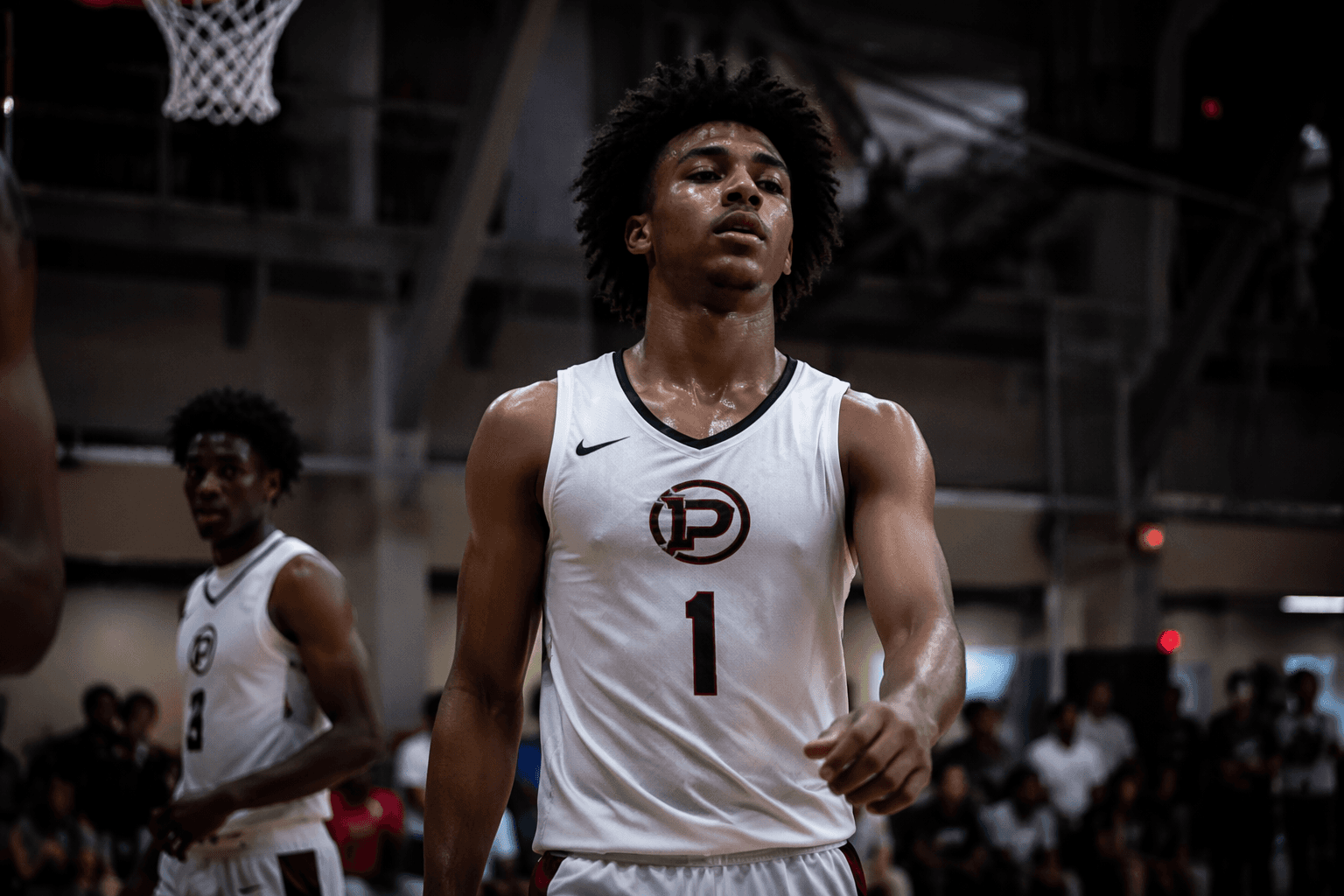
That is where the real flashpoints begin for Indiana basketball. A powerhouse program in Indianapolis could produce athletes with bigger audiences, stronger social followings and more outside opportunities than a small-school star playing in a half-empty gym on a Tuesday night. That raises questions about recruiting advantages, locker-room equity and whether a player’s marketability starts creating a second hierarchy inside teams that are supposed to be built on the same set of rules.
The concern is not theoretical. After the NCAA’s 2021 interim NIL policy opened the door in college sports, state associations across the country began revisiting their own rules. But the NFHS has also pointed to Georgia data showing that only 44 of 429,714 eligible student-athletes had signed and submitted NIL deals after that state updated its policy, a reminder that the practical use of NIL can remain limited even after the rules change.
For Indiana, the larger question is not just whether athletes can profit. It is whether the IHSAA can set guardrails strong enough to protect competitive balance without changing what high school basketball means in a state that treats it as part identity, part proving ground and part business. That answer could arrive the same day the board also votes on a separate shot-clock proposal, making this one of the most consequential spring meetings in recent memory.
This article was produced by Prism’s automated news system from verified source data, official records, and press releases, then run through automated quality and moderation checks before publishing. The system is built and supervised by the people who set the standards it runs under. Read our full AI policy.
Did this article answer your question?