Indiana girls basketball 2029 class already shows depth, versatility, toughness
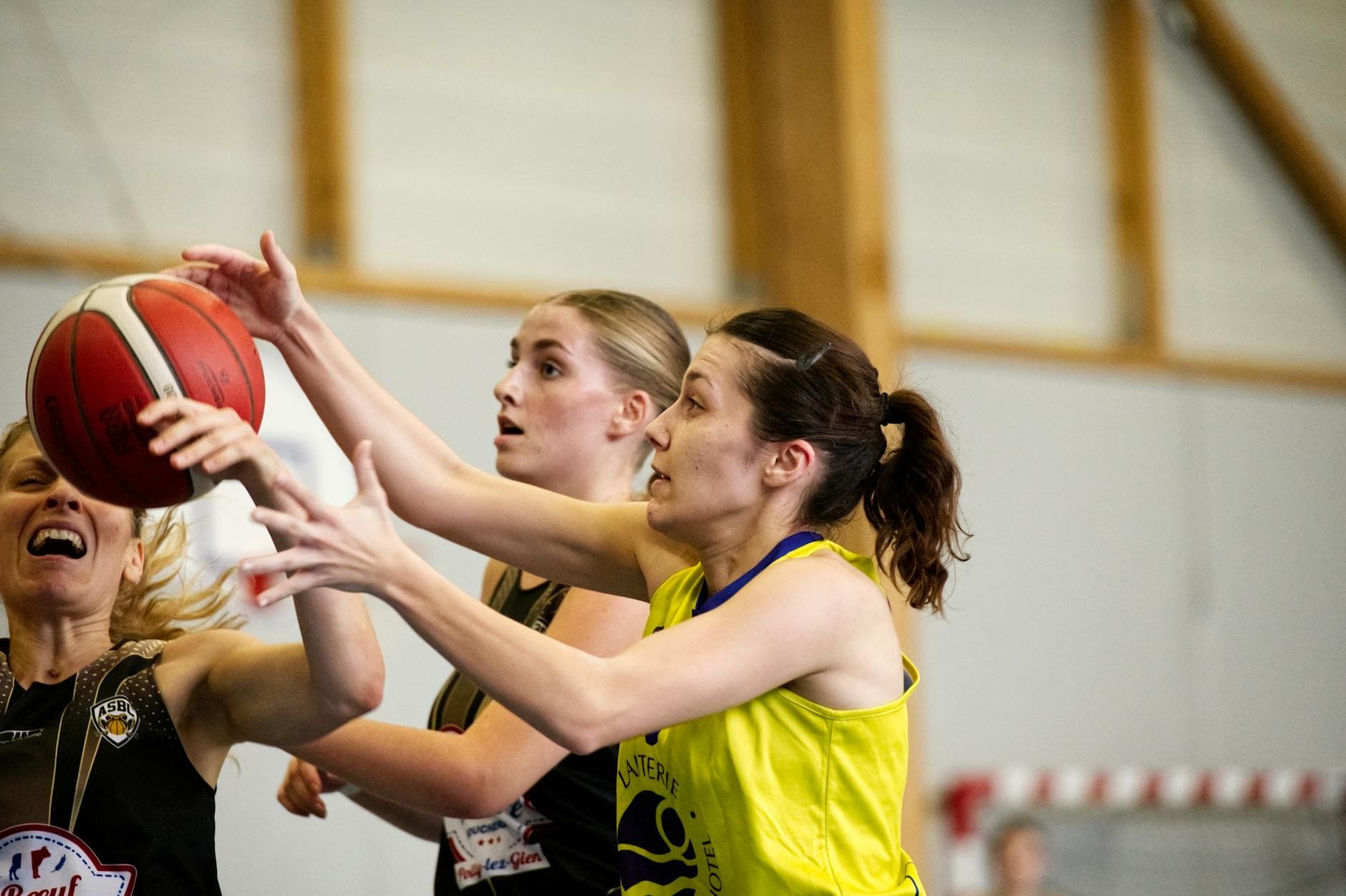
Indiana’s 2029 girls class is already varied enough to matter, with creators, shooters, wings, and interior size hinting at a deeper style shift statewide.
Indiana girls basketball 2029 class already shows depth, versatility, toughness
Four names, four different jobs
Indiana’s 2029 girls class is not waiting on one centerpiece to announce itself. Tatum Skibinski, Natalie Whelan-Edwards, Kylah Kendall, and Grayce Renn already look like players who can tilt games in different ways, and that is what makes this group worth tracking now. The common thread is not just talent. It is the way each player fits a recognizable Indiana basketball archetype: creator, floor-spacer, matchup forward, and stopper.
That matters in a state that has long rewarded production backed by toughness. The best early read on this class is that the next wave is not built around one skill. It is spread across several, which gives coaches more lineup options and gives the state a chance to keep evolving without losing its trademark edge.
Why the 2029 lens matters now
Prep Girls Hoops updated its Indiana 2029 rankings in January 2026 and said the watch list had grown to 75 ranked prospects. Separate spring positional updates followed in late April for shooting guards, small forwards, and power forwards, which shows the evaluation cycle is active and still widening. This is not a frozen snapshot. It is the front edge of a class being built in real time.
The timing also fits the broader Indiana girls basketball calendar. The 2025-26 IHSAA girls basketball state tournament drew 393 teams, sectional games were set for February 3-7, 2026, and the 51st annual state finals were played February 28 at Gainbridge Fieldhouse in Indianapolis. In a state where the postseason structure is this deep and this public, early identification of freshmen who can eventually affect varsity rotations is already meaningful.
Tatum Skibinski brings the most complete early stat line
If one player in this group already looks like a true multi-category contributor, it is Tatum Skibinski. MaxPreps lists her as a 2029 freshman at Ben Davis, and Hudl identifies her as a Ben Davis High School girls varsity basketball player in the class. The production profile gives the scouting language real weight: 23 games played, 6.9 points per game, 1.3 assists, 4.1 rebounds, 1.1 steals, and 0.1 blocks as of early February 2026.
That line reads like a young guard or wing learning how to impact every possession. Skibinski does not need to be framed only as a scorer, because the assists, rebounds, and steals show a player already affecting tempo, possession count, and defense. In Indiana terms, that is the kind of player who can become a creator and a stopper in the same possession, which is exactly why she stands out in a class that values all-around basketball.
Kylah Kendall projects as the kind of guard Indiana has always respected
Kylah Kendall is listed by Prep Girls Hoops as a 5-foot-11 shooting guard, and that size alone gives her a strong platform in the state’s guard pipeline. She also showed up in spring coverage tied to 4C Sports Academy and the PGH Great Lakes Kickoff on March 29, 2026, which places her inside the live evaluation and event cycle that usually shapes how prospects are viewed heading into summer.
Her fit is the clearest floor-spacer profile in this group. Indiana has always loved guards who can shoot, stretch the defense, and still hold up in competitive game settings, and Kendall appears to fit that mold before she even reaches her upper high school years. The point is not just that she can score. It is that her position already suggests spacing value, and spacing is one of the clearest ways a young guard can change how a team functions.
Natalie Whelan-Edwards gives the class size and matchup flexibility
Natalie Whelan-Edwards brings the type of frame that changes a scouting board. Prep Girls Hoops lists her as a 6-foot-3 center-power forward who attends Carmel and plays club basketball for Indiana Basketball Club. That combination of height, position, and club environment makes her one of the most obvious interior pieces in the class.
Her value is tied to matchup flexibility. A player that size can anchor the paint, rebound, and alter how opponents want to attack, but she also fits the modern expectation that bigs must do more than stand near the rim. In a state tournament environment as deep as Indiana’s, a forward with that profile can become a defensive problem and an offensive release valve, especially when the game turns physical and every extra possession matters.
Grayce Renn looks like the wing every balanced team needs
Grayce Renn is listed by Prep Girls Hoops as a 5-foot-11 small forward at Terre Haute North, with club ties to IGB S40. Of the four names in this group, she may be the most naturally suited to the matchup-forward role. That is the player who can guard multiple spots, survive on the perimeter, help on the glass, and keep a lineup from becoming too small or too specialized.
Renn matters because small forwards often become the connective tissue of a program. They are the players who let a coach switch between lineups without losing competitiveness. In a class that already has a shooting guard, a post, and a guard-wing hybrid, Renn’s role points to depth rather than duplication. That is part of what makes the 2029 group interesting: the pieces are different, but they fit together.
What this says about Indiana’s next stylistic identity
The deeper message in this class is that Indiana girls basketball may be trending toward more positionless versatility without giving up its core values. The state still clearly prizes defense and discipline, but this 2029 group suggests those traits are now being paired with more varied offensive skills: ball handling, perimeter scoring, rebounding, and switching ability.
That is a meaningful shift. When a class features a true creator in Skibinski, a floor-spacer in Kendall, a matchup forward in Renn, and a physical interior presence in Whelan-Edwards, it hints at lineups that can bend in several directions without losing the Indiana standard. The state’s next wave does not look one-dimensional, and it does not need to be.
That is why these four names already matter. They are not just prospects to file away for later. They are early evidence that Indiana’s 2029 class could be deeper, more versatile, and more tactically interesting than a casual glance would suggest.
This article was produced by Prism’s automated news system from verified source data, official records, and press releases, then run through automated quality and moderation checks before publishing. The system is built and supervised by the people who set the standards it runs under. Read our full AI policy.
Did this article answer your question?