Kyler Staley breaks down top Indiana prospects from Run N Slam weekend
DJ Nash emerged as the most interesting stock mover from Run N Slam, where Kyler Staley’s first notebook separated true Indiana risers from empty highlight noise.
Run N Slam was built to reveal who could travel
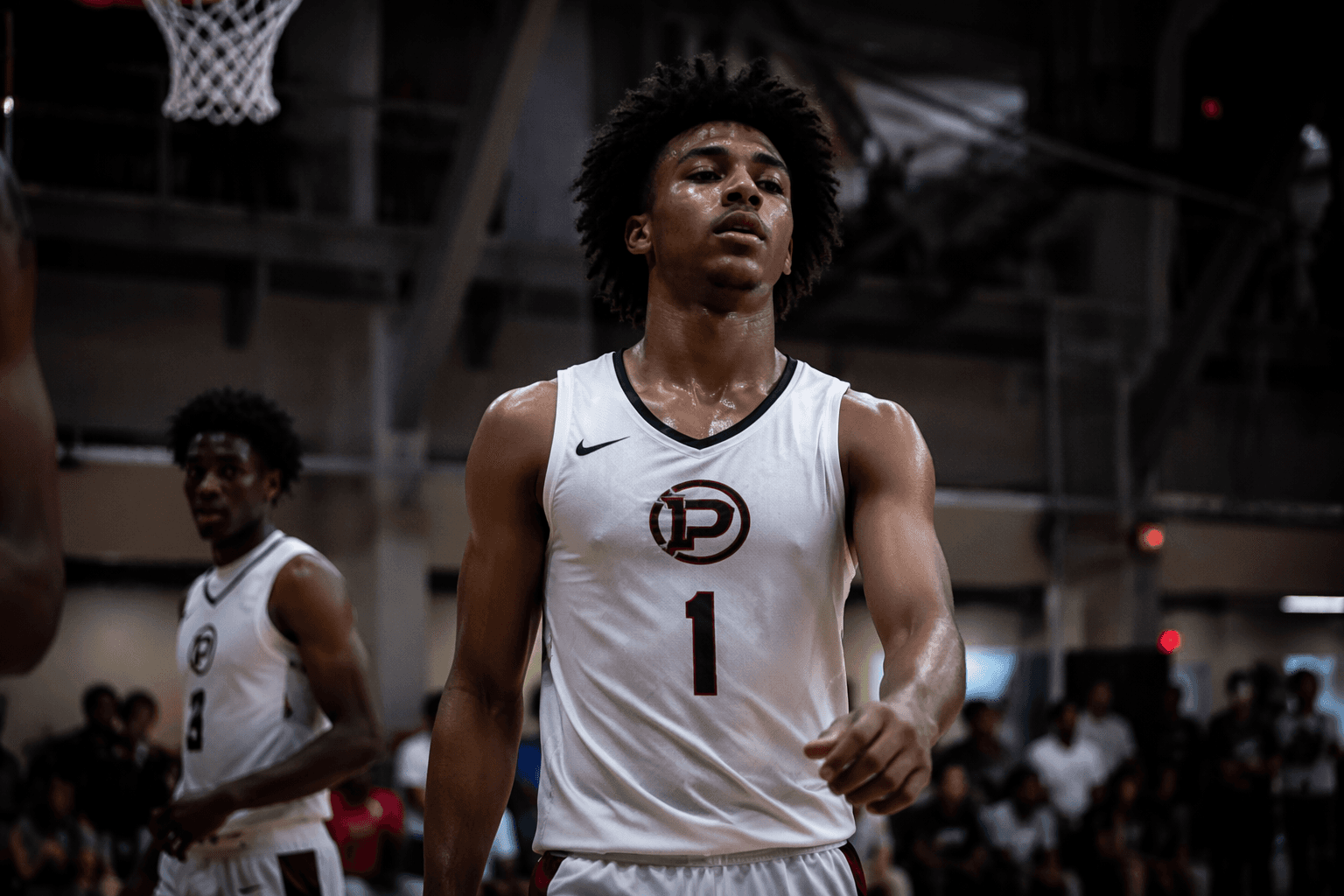
DJ Nash is the name that jumps out first from Kyler Staley’s opening notebook, because his value was never just about points. The Kokomo guard fit the kind of weekend that actually changes recruiting momentum: size, creation, and a scoring feel that carried beyond one hot stretch. In a gym where numbers can lie, that combination tends to matter more than a box score.
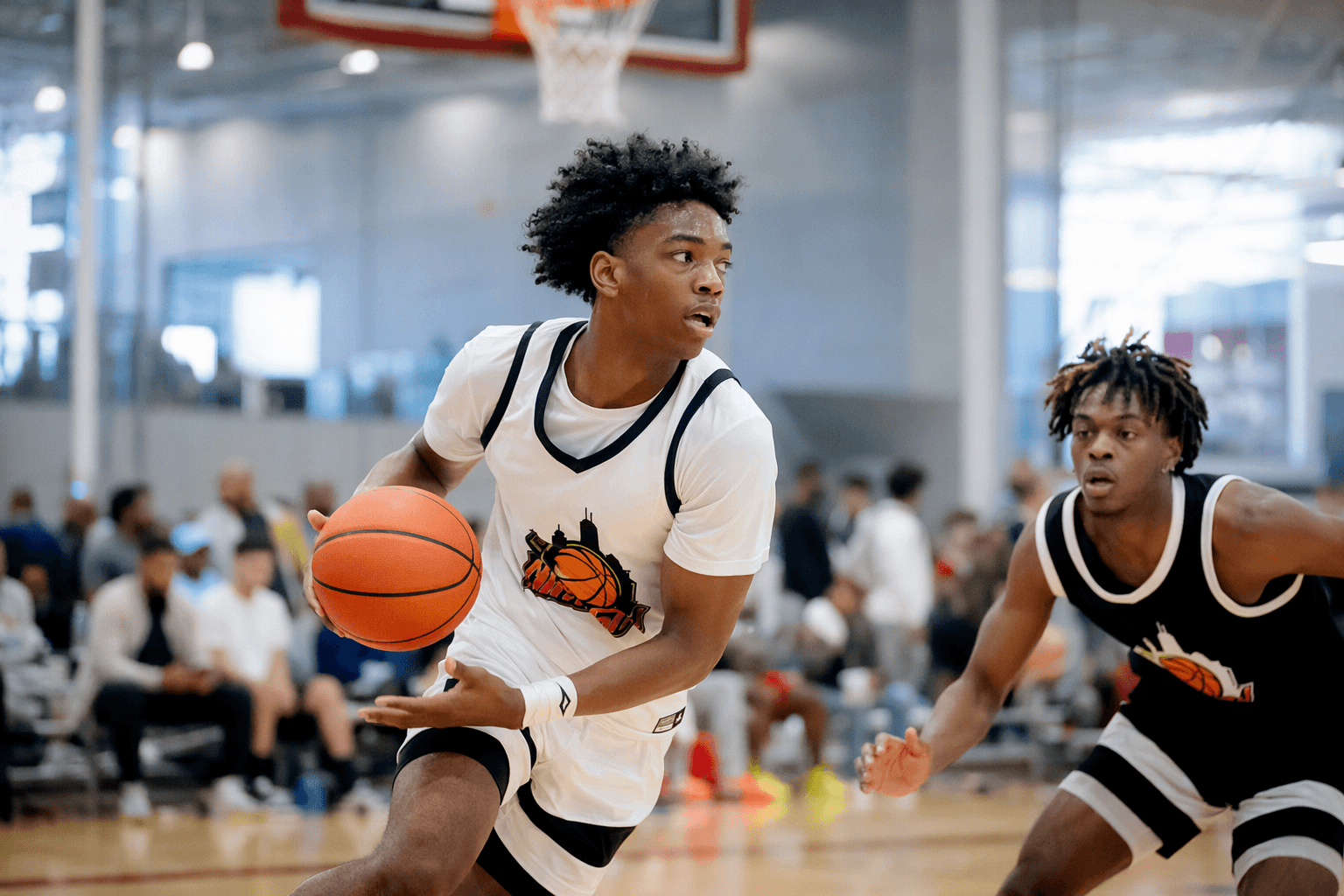
That is exactly why the 2026 Bill Hensley Memorial Run N Slam remains such a useful measuring stick for Indiana prospects. The event ran May 1-3 at Turnstone’s Plassman Athletic Center in Fort Wayne, covered 7th-11th grade boys divisions, and promised a four-game guarantee for teams paying the $595 registration fee. Ninth- through 11th-grade teams opened Friday evening at 6 p.m. EST, while 7th- and 8th-grade teams started Saturday morning at 8 a.m. EST, a schedule that packed the weekend with evaluation opportunities from the first tip to the final whistle.
Why this weekend carries real recruiting weight
Run N Slam is not just another spring stop. Prep Hoops Indiana described it as one of the best events of the spring and the premier non-live evaluation period event of the year, and the setup explains why. College coaches from Division II, Division III, NAIA, and junior college programs were expected to attend, while BallerTV was advertised to livestream games at most venues, widening the audience far beyond the gym floor.
The scale also mattered. WANE reported that hundreds of prep teams from across the Midwest came through Fort Wayne, creating the kind of traffic that turns one good possession into a longer recruiting conversation. Spectator admission was listed at $50 for the weekend or $15 Friday, $20 Saturday, and $20 Sunday, another sign that the event was treated like a serious destination, not a casual tune-up.
The first notebook favors the players who translated, not just the players who flashed
Kyler Staley’s first of five notebook installments was useful because it did not read like a package of highlights. It was a granular look at how Indiana prospects actually performed across possessions, which is where stock changes usually happen. The featured names were Seth Hahnenberg, DJ Nash, Tyler Renn, Samarcus Gipson, and Jaxon McKain, a group that gave the notebook both geographic spread and stylistic variety.
That mix matters in Indiana, where the best summer evaluations are often about role definition as much as star power. Nash, from Kokomo, stood out as the guard most likely to move the needle because he could influence a game with his size and his ability to create and score. Tyler Renn of Terre Haute North fit the profile of an in-state anchor whose value grows when he proves he can handle strong competition. Samarcus Gipson of Elkhart and Jaxon McKain of Boonville added more evidence that the notebook was searching for statewide impact, not just one familiar metro name.
What separated the real standouts
The clearest through line in Staley’s notebook is that the best performances were not necessarily the loudest ones. The players who earned attention were the ones who showed something that can survive beyond a single event: shot-making, defensive activity, and the ability to function in a faster game. That is the kind of evaluation that scouts trust because it tends to repeat when the gym gets smaller and the pressure gets heavier.
Nash’s appeal is easy to understand in that framework. A guard with size who can create and score gives evaluators multiple entry points, especially in a setting where possessions come quickly and ball-handling under pressure gets tested repeatedly. Renn’s value is different but just as real. When a player from Terre Haute North holds up against quality opposition, it sharpens the case that his game has enough toughness and transferability to matter in bigger settings later in the summer.
Gipson and McKain also matter because they broaden the picture of what Indiana basketball looks like beyond one corridor of the state. Elkhart and Boonville are not just place names in the notebook. They are reminders that the state’s best talent can surface anywhere, and that weekend events like Run N Slam are where that talent gets sorted into more serious categories.
Fort Wayne became the state’s basketball crossroads
The event context from Northeast Indiana helped explain why so many prospects were worth watching in the first place. WANE’s coverage framed Fort Wayne as the center of AAU hoops for the weekend, with hundreds of teams from across the Midwest competing in front of coaches. That kind of setting naturally elevates the players who can hold their level when every possession is being observed.
It also gave local names a chance to matter on a larger stage. Earlier coverage from the weekend noted that Homestead sophomore Mack Welker drew attention while playing with the Indy Heat Gym Rats, and that Northeast Indiana standouts Briggs Pardon and Xavier Wilson also turned heads in Fort Wayne. Those names reinforced the same point Staley’s notebook was making: Indiana’s spring story is not just about who scores, but about who looks ready for the next layer of competition.
What to watch as the notebook expands
Because this was only part 1 of 5, the value of the first notebook is not just in the names it includes. It is in the framework it creates for the rest of the weekend. When a writer opens with players like Hahnenberg, Nash, Renn, Gipson, and McKain, the next question becomes which traits keep showing up as the breakdown continues: who creates clean offense under duress, who defends with urgency, and who looks comfortable playing at the pace the event demands.
That is the real takeaway from Run N Slam. The tournament’s best performances do not just fill a recap, they alter the way a prospect is discussed afterward. For Indiana players, that means the difference between being noticed and being remembered is often the ability to look the same on the next possession, against the next defender, in front of the next evaluator. Fort Wayne gave them that stage, and Staley’s notebook starts to show who used it best.
This article was produced by Prism’s automated news system from verified source data, official records, and press releases, then run through automated quality and moderation checks before publishing. The system is built and supervised by the people who set the standards it runs under. Read our full AI policy.
Did this article answer your question?