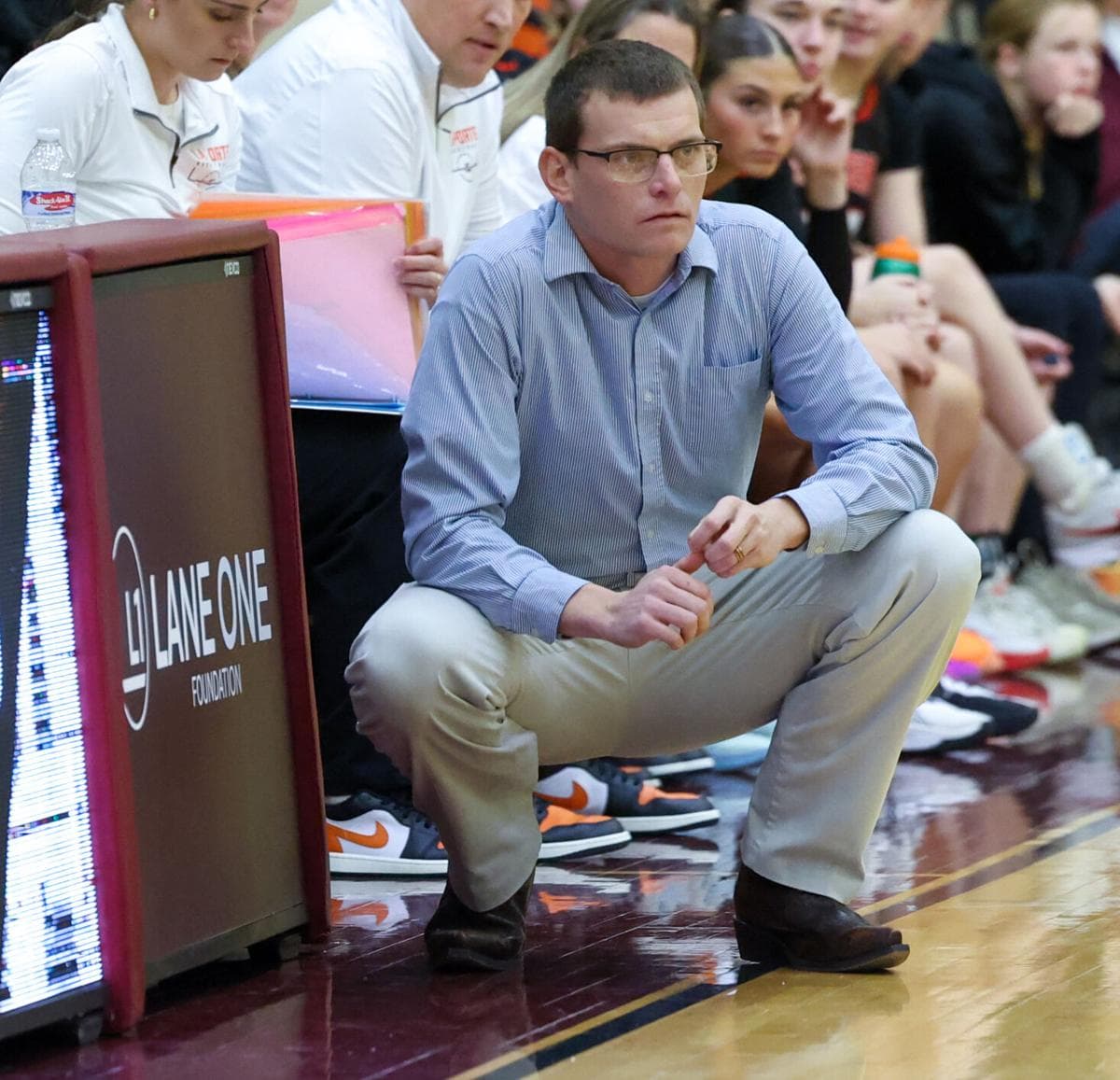
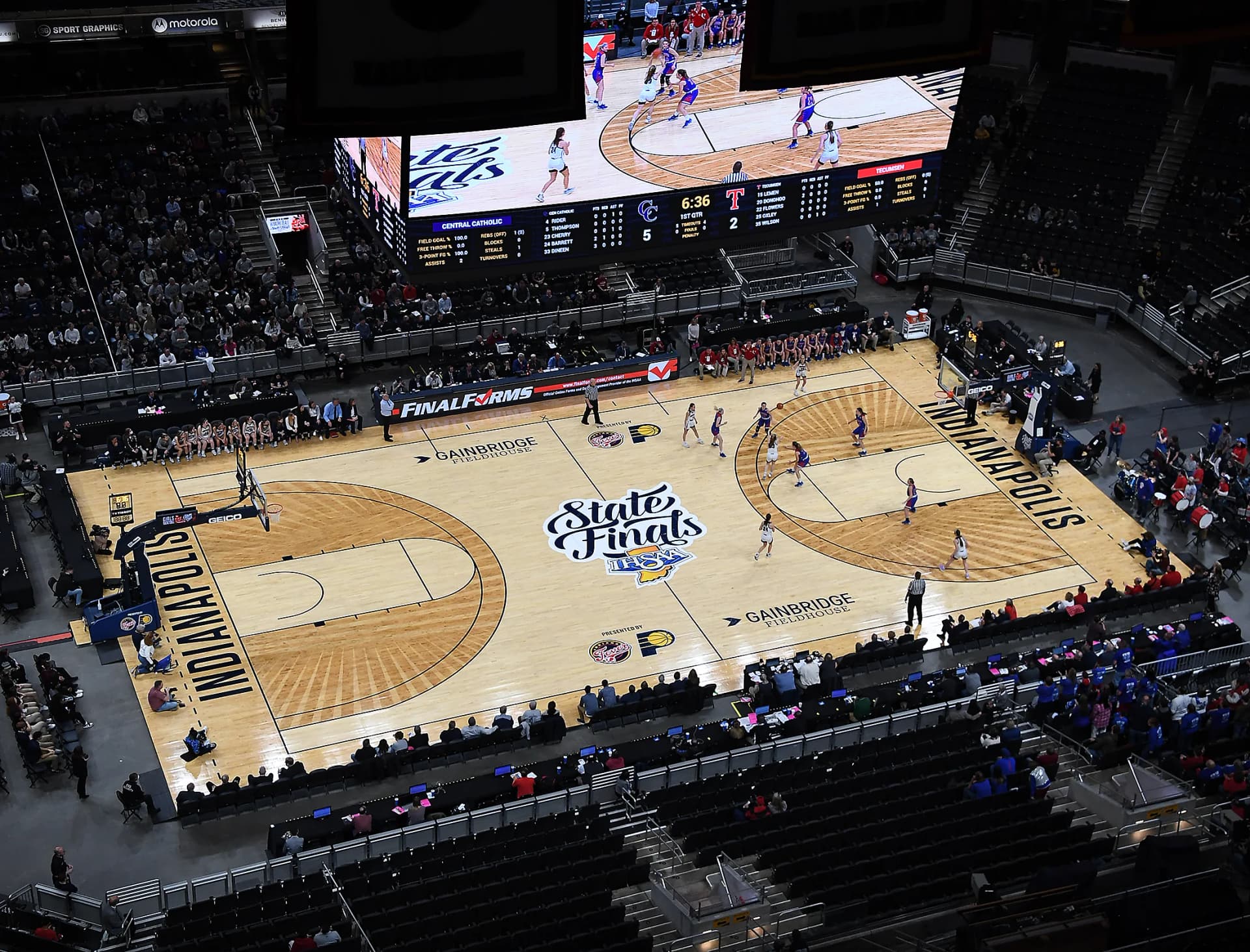
Indiana high school basketball weighs shot clock, future of Hoosier hoops
Indiana coaches are split on a 35-second shot clock, and the decision could reshape pace, roster building, and what makes Hoosier hoops feel like Hoosier hoops.
Indiana high school basketball is no longer debating only whether a shot clock would speed up games. It is deciding whether the sport can modernize without losing the deliberate style, coaching craft, and local identity that have defined it for more than a century. The numbers are already on the table: 68% of coaches in one survey backed the change, but the Indiana High School Athletic Association still voted it down, 17-1.
The shot clock debate is really a debate about pace
A 35-second shot clock would change the way teams attack every possession, especially in boys and girls varsity games, the format covered in the proposal. The clearest effect would be tempo: fewer long possessions, fewer deliberate stall tactics, and more late-clock decisions that force teams to move the ball instead of simply protecting it.
That matters because Indiana basketball has long rewarded control as much as explosiveness. Under a shot clock, coaches could no longer lean on long hold-and-probe possessions to drain the rhythm out of a game. Instead, offense would have to be organized earlier in the possession, with more emphasis on spacing, quick reads, and players who can create under pressure.
What coaches would have to change
The survey reported by the Indianapolis Star on Jan. 29, 2026 found 68% of Indiana high school basketball coaches favor adding the clock, and that support makes sense when you look at how the game is evolving. Coaches who embrace the change would have to build offenses that can execute cleanly in the first 10 to 15 seconds, because waiting until the final third of a possession would become a risk, not a strategy.
The staffing and logistics also matter. Concerns raised in that same reporting centered on the cost of equipment and the need for people to operate it, two practical issues that can hit school budgets and game-night staffing plans. A rule change is never just a style change for high school programs, because it affects what athletic departments must buy, who must be trained, and how smoothly a varsity night runs.
Roster construction would shift toward skill and decision-making
A shot clock does more than raise the pace. It changes which kinds of players become essential. Teams would need guards who can handle pressure, bigs who can pass out of the post, and wings who can make quick decisions when the defense takes away the first option.
It would also put more value on skill development throughout the roster. When possession length shrinks, a team can no longer survive by simply relying on one primary ballhandler or on a methodical system that hides limited spacing. The modern game rewards players who can shoot, pass, and react in a hurry, and a 35-second limit would push Indiana programs in that direction sooner.
The proposal was narrow, but the stakes were broad
The version discussed publicly was not a sweeping overhaul of every level of Indiana high school basketball. Reporting from the Indianapolis Star and Fox59 said it would have applied only to boys and girls varsity games, with a target start of the 2028-29 season if approved. That structure shows how carefully the idea was being framed: enough change to affect the highest level, but not so much that it immediately rewrote every freshman and junior varsity schedule.
WTHR reported that the proposal was submitted on behalf of the Indiana Basketball Coaches Association, which helps explain why the debate has become so central inside coaching circles. WFIE 14 News also reported that the coaches association survey showed 68% support among respondents, reinforcing that the push is coming from people who work inside the sport every day, not from outside reformers.
Indiana’s resistance is tied to its identity
Opposition to a shot clock is not simply nostalgia for old games. It is tied to a version of basketball that prizes discipline, execution, and the idea that a team can win by controlling the game’s rhythm. Smaller programs, especially those that rely on half-court structure and careful possessions, could feel the pressure most sharply if the clock arrives.
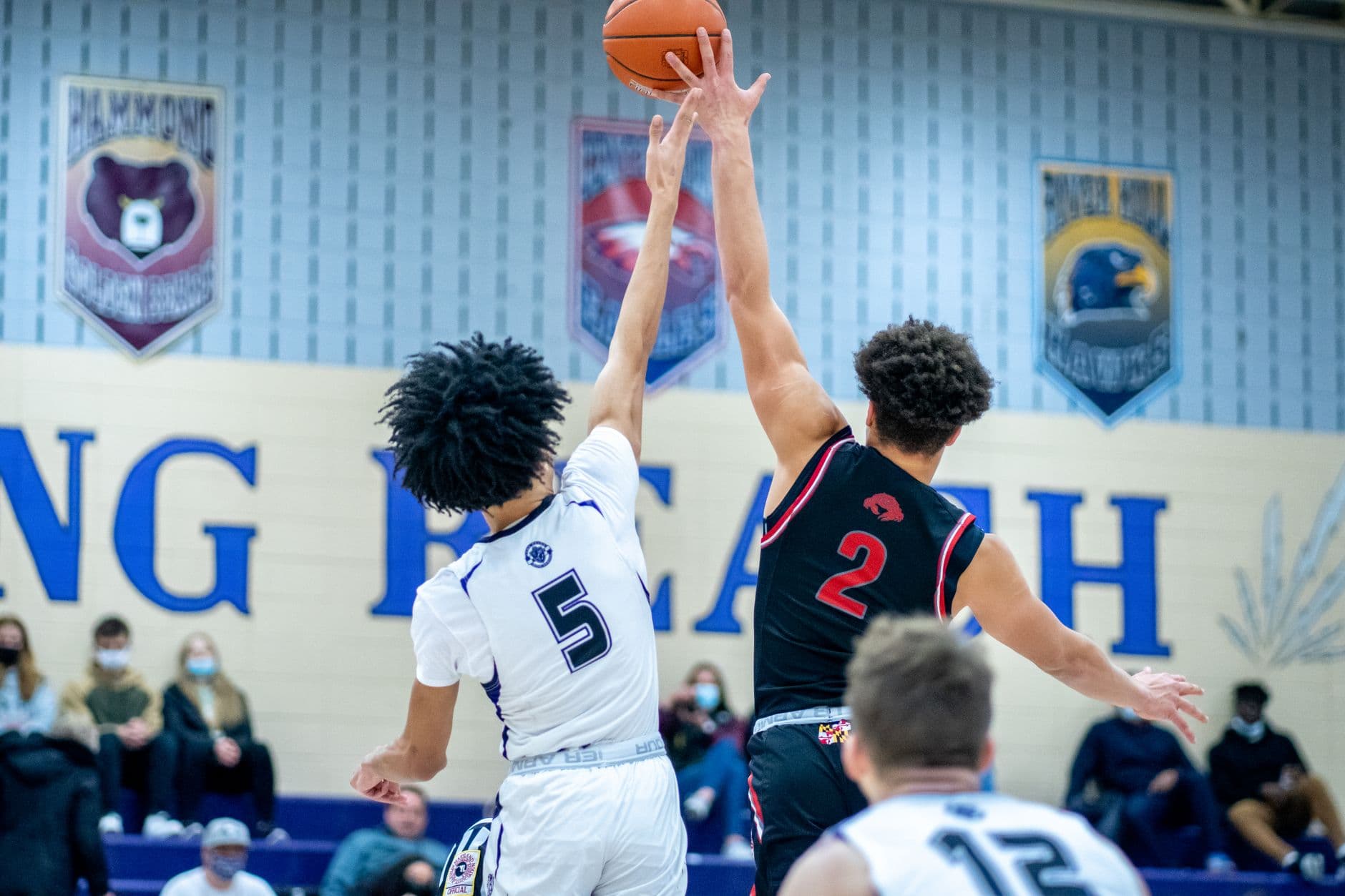
That concern is part of why the IHSAA board’s 17-1 rejection on May 4, 2026 carries such weight. The board did not just decline a tweak to game flow. It preserved a system that still allows Indiana coaches to use time as a weapon, and that choice keeps alive one of the sport’s most recognizable regional traits.
The national landscape is moving in a different direction
Indiana is not deciding this in isolation. The National Federation of State High School Associations has allowed state associations to adopt a 35-second shot clock since the 2022-23 season, and search results show that by the 2026-27 season, 32 states would fully implement the shot clock. That leaves Indiana more exposed as one of the holdouts in a sport that increasingly looks faster everywhere else.
That national shift changes the recruiting and development conversation too. Players now see shot-clock basketball on television, in camps, and in AAU settings, which means high school coaches are trying to prepare athletes for a style many will meet again in college. The more Indiana stays outside that trend, the more its teams have to answer whether the state is preserving a distinct product or leaving players less ready for what comes next.
The larger argument extends beyond one rule
The shot clock is only one piece of the future being debated in Indiana. Questions about seeding, class count, and tournament structure sit beside it, because all of them influence whether the state game feels fair, exciting, and connected to its history. Indiana’s first state boys basketball tournament was held in 1911, and the move from a single-class tournament to a four-class system in 1998, with 1997 the last single-class boys tournament, shows that the state has changed before when the sport demanded it.
That history matters now because the IHSAA still posts boys basketball classifications for 2024-25 and 2025-26, along with enrollments and classifications for 2026-27 and 2027-28. The tournament structure is still active, still evolving, and still central to how the sport is organized. The shot clock debate fits into that bigger picture: Indiana basketball is deciding whether its next defining choice will make the game sharper and more modern, or preserve the slower rhythms that have made Hoosier hoops instantly recognizable for generations.
This article was produced by Prism’s automated news system from verified source data, official records, and press releases, then run through automated quality and moderation checks before publishing. The system is built and supervised by the people who set the standards it runs under. Read our full AI policy.
Did this article answer your question?