Indiana State Finals at Gainbridge Fieldhouse: A Complete Guide for Coaches, Families
Gainbridge Fieldhouse hosts the Indiana state finals on March 28 — here's every logistical and mental-prep detail coaches and families need before tip-off.
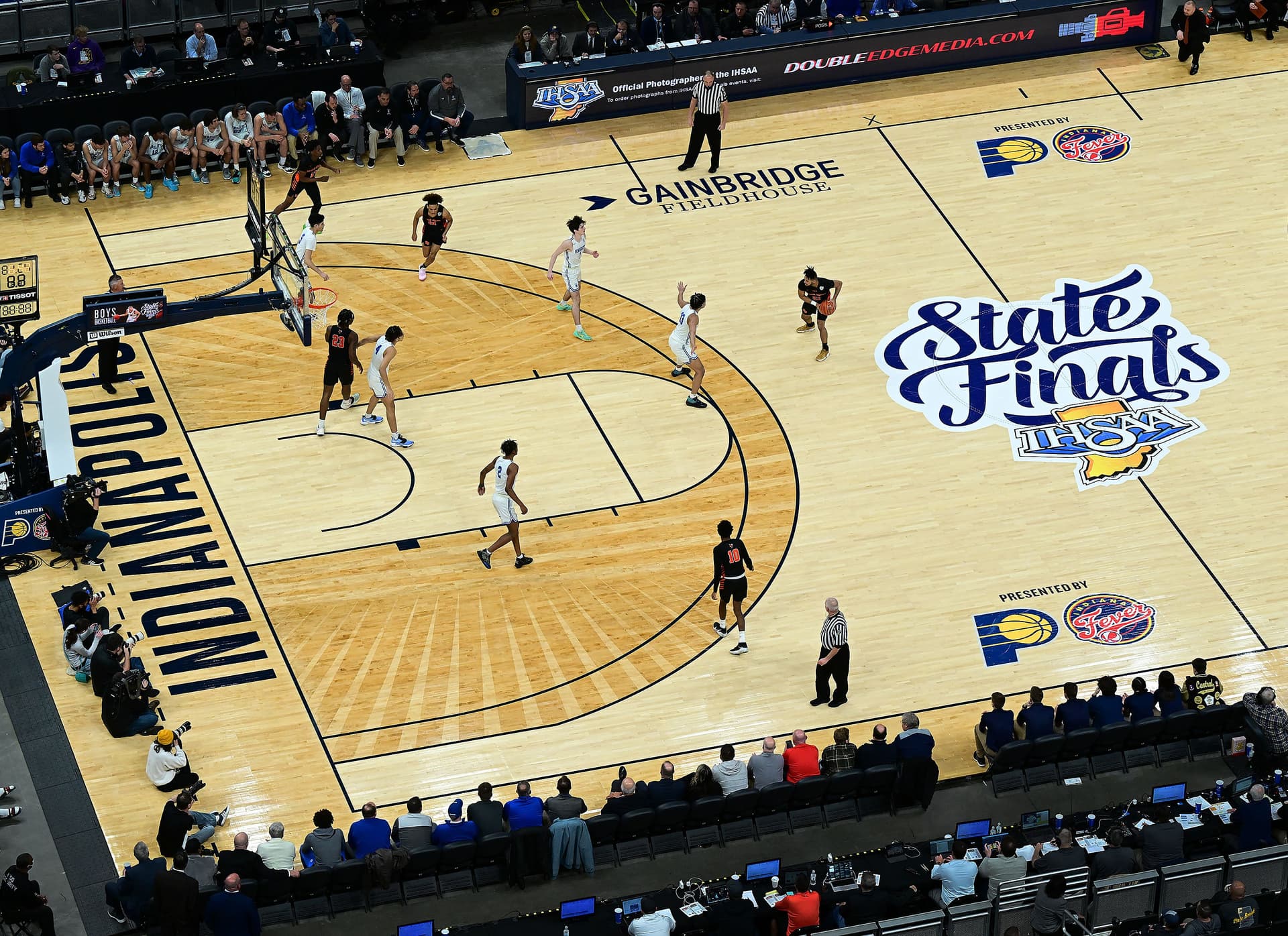
Making it to the Indiana high school basketball state finals at Gainbridge Fieldhouse in Indianapolis is the culmination of an entire season's work. The fieldhouse, home to the Indiana Pacers, is one of the most storied venues in the state's basketball culture, and arriving prepared, logistically and mentally, makes the difference between a chaotic travel day and a focused, ready-to-compete experience. This guide pulls together everything coaches, athletic directors, student-athletes, and families need to know before stepping through those doors on March 28.
Know the Venue Before You Arrive
Gainbridge Fieldhouse sits in the heart of downtown Indianapolis, and first-timers should understand that it operates on a different scale than any gym your program has played in during the regular season. The building seats thousands, the loading zones are specific, and team entrances are separate from public entrances. Coaches should confirm your program's designated team entrance well in advance with IHSAA officials, as arriving at the wrong door with a bus full of players eats into your warmup window. Athletic directors coordinating the trip should also verify parking arrangements for the team bus and any booster vehicles traveling separately.
Families driving in from across the state should plan for downtown Indianapolis traffic, particularly on a tournament day when multiple programs and their fan bases converge on the same blocks. Parking garages within walking distance of Gainbridge Fieldhouse fill quickly; arriving at least 90 minutes before the session tip-off is a reasonable baseline, and families with younger children or accessibility needs should budget even more time.
Ticketing: What to Expect
State finals ticketing for Gainbridge Fieldhouse follows IHSAA norms that differ from regular-season and sectional practices. Tickets are typically distributed through the association rather than at-door sales, which means families cannot assume they can walk up and purchase seats the day of the event. Schools receive a ticket allocation for their fan base, and athletic directors should communicate clearly and early about how that allocation is being distributed so no one in your community is left scrambling.
Digital ticketing has become the standard at major venues, so families should ensure their phones are charged and their tickets are downloaded or accessible offline before leaving home. Gainbridge Fieldhouse's mobile entry system moves quickly when the lines are managed well, but any connectivity issue at the gate is your own to solve, not the venue's. Print a backup if you're uncertain about your signal downtown.
Session Times and Scheduling
State finals are run in sessions, meaning multiple games are played on the same day under one ticket. Knowing exactly which session your team or the team you're watching plays in determines everything: your departure time from home, your hotel check-in logistics, your warmup schedule, and your team meal timing. Coaches should build the day's schedule backward from tip-off, not forward from when the bus leaves, to ensure nothing critical gets compressed at the end.
For families watching a later game in a session, arriving early for the first game is worthwhile. The atmosphere at Gainbridge Fieldhouse builds across the session, and understanding the pace of the event, how long halftimes run, how quickly the court crew transitions between games, helps you manage your own experience and avoid missing tip-off.
Travel Checklist for Teams
Getting a high school basketball program to downtown Indianapolis and onto the floor ready to compete requires coordination across multiple people. Use this checklist as a starting framework and adapt it to your program's specific needs:
- Confirm team bus departure time and route with the driver at least 48 hours out, accounting for potential construction or event traffic in downtown Indianapolis
- Pack uniforms, warmup gear, and practice gear in clearly labeled bags, with a backup jersey available in the event of a conflict call
- Carry a medical kit and confirm your athletic trainer or designated first responder is traveling with the group
- Bring the team's IHSAA eligibility paperwork and any required documentation in a physical folder, not just on a phone
- Coordinate meal timing so players eat a full meal three to four hours before tip-off, not in the parking lot en route
- Assign a staff member specifically to manage communication with families at the venue, freeing the coaching staff to focus on the team
Mental Preparation: Performing on the Biggest Stage
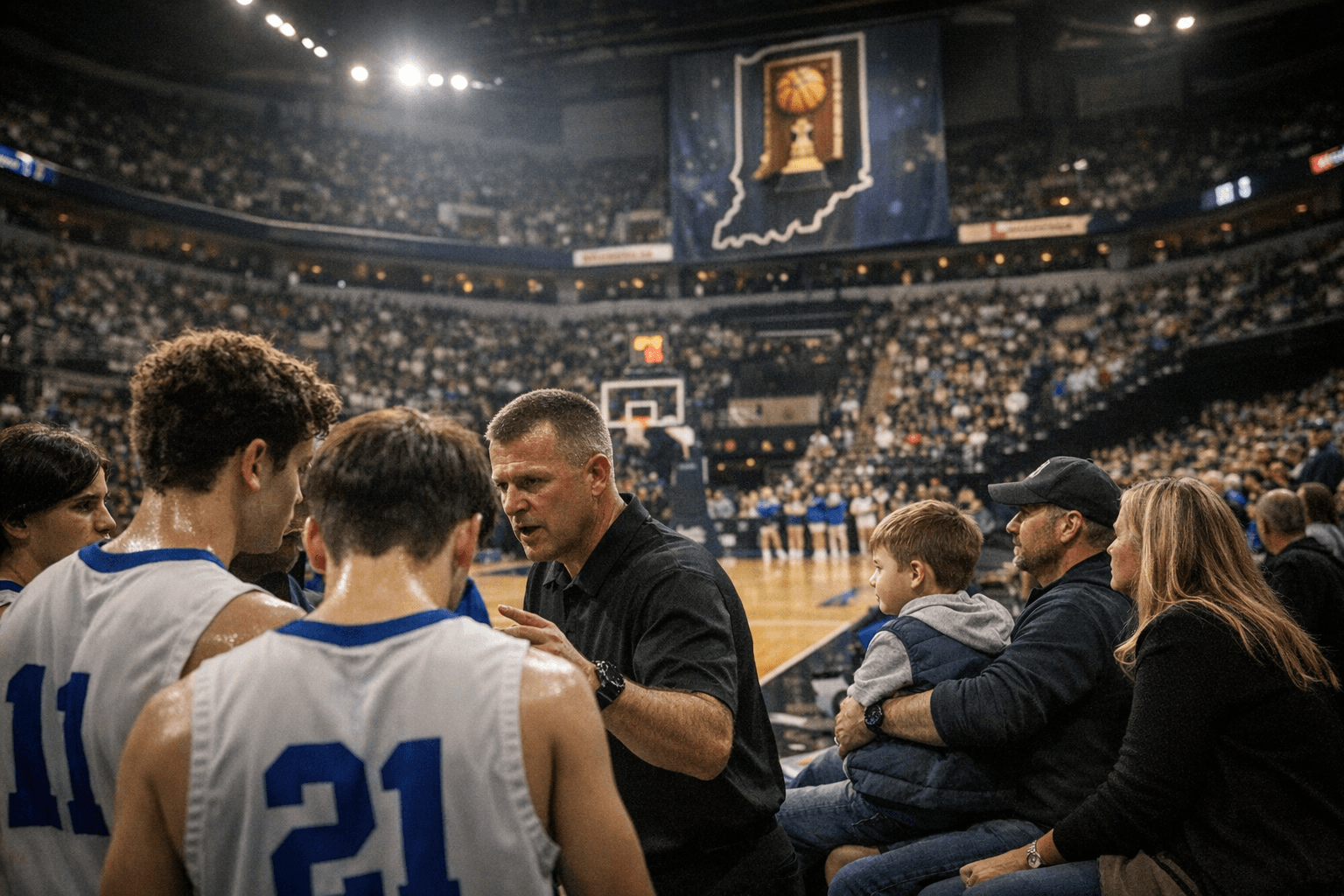
The jump from a regional gym to Gainbridge Fieldhouse is significant, and the psychological adjustment is real. Players who have never played in front of thousands of fans in a professional arena can experience a sensory overload that affects early-game performance. Coaches who acknowledge this reality in practice, rather than pretending the environment will feel normal, give their players a better foundation to compete.
Walk-throughs and shoot-arounds at the venue, when the schedule permits, are invaluable. Getting players' feet on the floor, their eyes up into the stands, and their hands on the ball in that space before game time strips away the novelty. A player who has already felt the echo of the fieldhouse during warmups is a more settled player when the horn sounds.
Routine matters more in a high-stimulus environment, not less. Teams that maintain their standard pre-game routines, same music in the locker room, same warmup sequence, same pre-game talk structure, carry a psychological anchor into a situation that would otherwise feel entirely foreign. Disrupting routine because the setting feels special is a common mistake; the routine is precisely what makes the setting manageable.
For student-athletes specifically: the game is still 32 minutes of high school basketball. The court is the same dimensions, the rim is the same height, the ball is the same weight. Grounding yourself in that fact, that your preparation and skill transfer directly from every gym you've competed in this season, is the simplest and most effective mental reset available.
For Families: Making the Most of the Day
State finals day at Gainbridge Fieldhouse is genuinely one of the best days Indiana high school basketball has to offer. For families who have followed a program all season, it represents the full weight of that investment. Arrive early enough to find your seats, take in the atmosphere, and watch the earlier game if one precedes yours; the context of seeing how another championship-caliber team plays can shift your own experience of watching your program compete.
Stay connected to your athletic director's communications in the days leading up to March 28. Ticket distribution details, designated fan sections, and any venue-specific policies will come through that channel, and families who stay informed avoid the friction that turns a celebration day into a stressful one. The goal is to be present for the moment, not problem-solving logistics while your kid is on the floor.
The state finals at Gainbridge Fieldhouse represent Indiana high school basketball at its highest level, and the programs that arrive prepared, logistically organized and mentally grounded, give themselves the platform to play their best when it matters most.
Know something we missed? Have a correction or additional information?
Submit a Tip