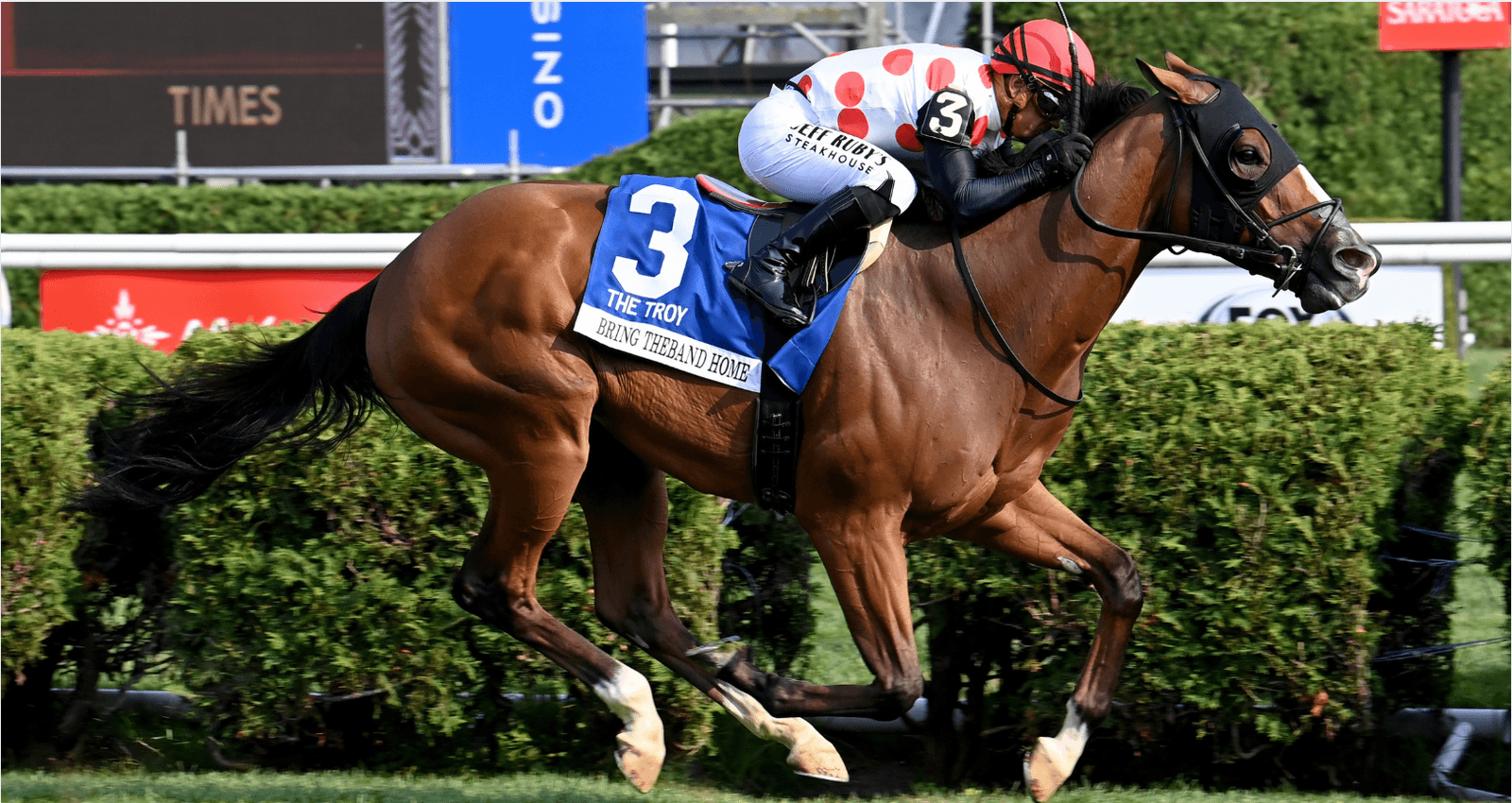
10 U.S.-trained runners headline Royal Ascot international challenge
Wesley Ward’s seven-horse team led 10 U.S.-trained runners into Royal Ascot, where America was chasing real win equity, not just color.
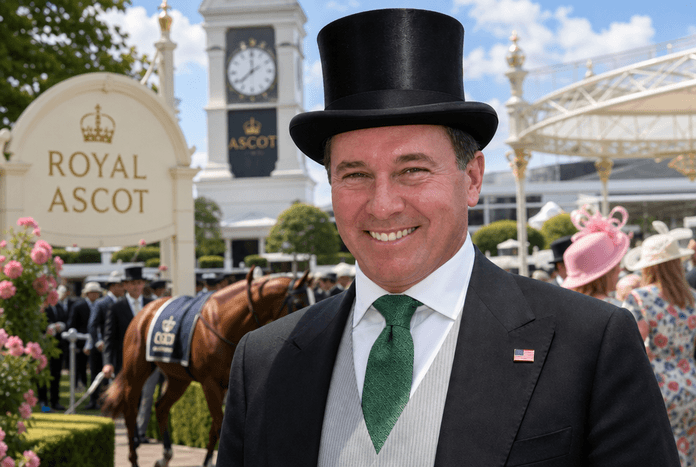
Royal Ascot opened with a bigger American footprint than usual, and the question was whether those 10 U.S.-trained runners were there to decorate the card or to win it. The answer could be measured quickly at a meeting built on speed, precision and the punishing straight-course races that often expose whether a horse is truly top class or merely well traveled.
Wesley Ward again sat at the center of the U.S. story. TwinSpires said Ward had been responsible for 12 of the 14 American winners in Royal Ascot history, and he sent a seven-horse team in 2026 after missing the meeting in 2025. That alone framed the challenge for the rest of the American contingent: Ward remains the benchmark for sprint and juvenile success, while Tom Morley, George Weaver and Patrick Biancone were trying to prove that there is more than one path from the United States to Ascot’s winner’s enclosure.
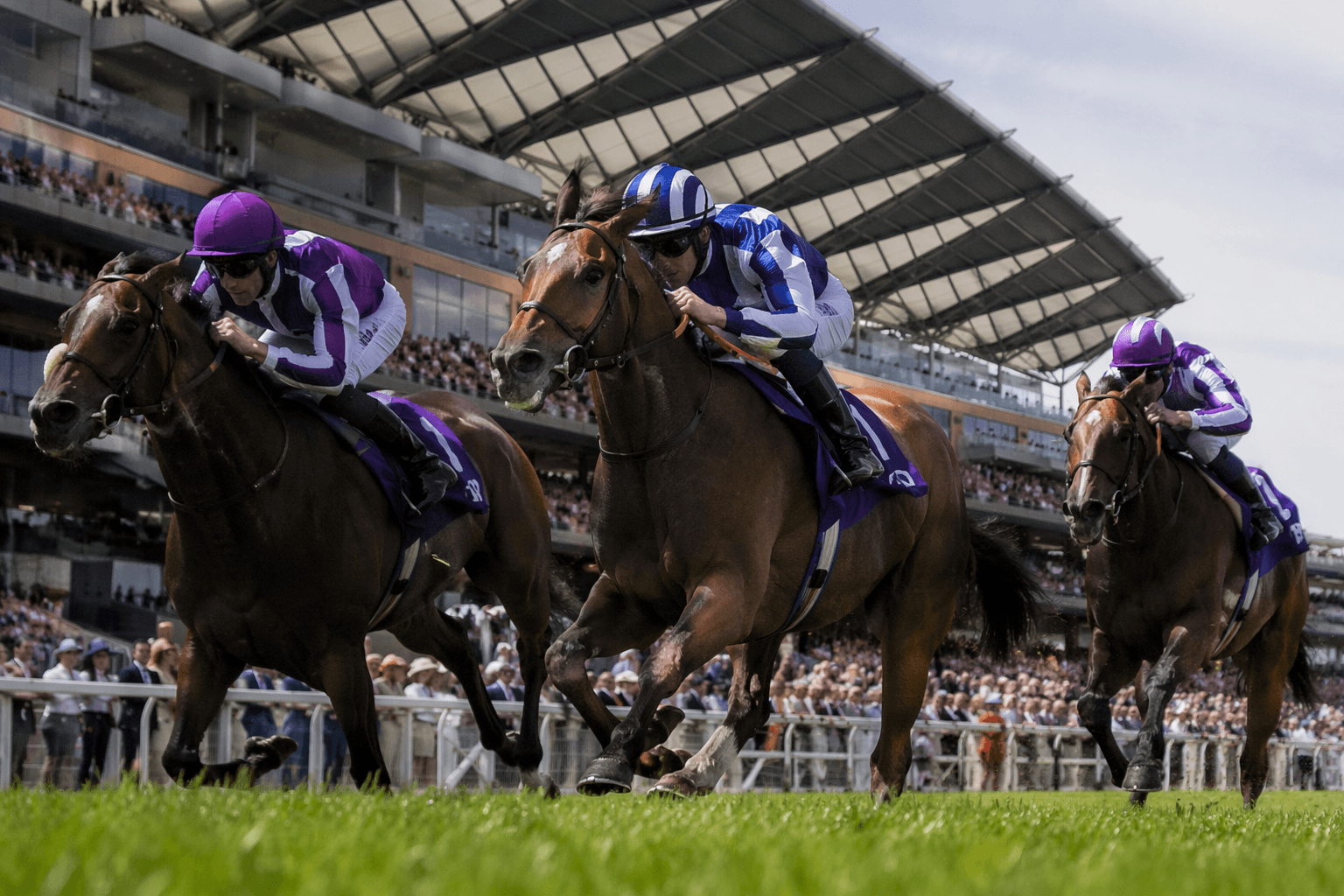
The strongest American results at Royal Ascot usually come from horses that can travel, quicken and handle the straight mile or the sharp, high-pressure sprint distances. That is why the meeting has long been a testing ground for U.S. turf speed, and why a good week can reverberate beyond Berkshire. Breeders’ Cup has treated Royal Ascot as a proven stepping stone to the World Championships, and Ascot’s own record shows how rare and meaningful American success can be. Lady Aurelia became the first American-trained horse to win twice at Royal Ascot, and Ward reached his tenth Royal Ascot winner with Shang Shang Shang in the 2018 Norfolk Stakes.
There was also a clear hierarchy inside this year’s American challenge. TwinSpires said Weaver was back with a runner that had performed well at Ascot in 2025, Biancone had a filly with a profile similar to one that placed there a year ago, and Morley was targeting an upset. That spread of ambitions mattered because it showed the U.S. side was not built around one live shot, but around several horses aimed at different levels of the meeting’s sternest tests.
Royal Ascot 2026 ran Tuesday, June 16 through Saturday, June 20, with the opening day alone featuring seven races, three Group 1s, nearly 120 runners and more than £2.75 million in prize money. Over the full week, Ascot put the total at £10.65 million, up from £10.05 million in 2025. For American horsemen, that prize fund is part of the lure, but the real prize is credibility. If the U.S. runners converted a handful of starts into victories, it would strengthen the case that American dirt speed can travel and American turf programs can still threaten Europe where it matters most. If not, Royal Ascot would remain what it often is: a hard, elegant reminder of how steep the transatlantic climb can be.
This article was produced by Prism’s automated news system from verified source data, official records, and press releases, then run through automated quality and moderation checks before publishing. The system is built and supervised by the people who set the standards it runs under. Read our full AI policy.
Did this article answer your question?