2026 Guide for First-Time Racehorse Owners: Buying, Claiming, Licensing, Veterinary Basics
New owners of Thoroughbreds in 2026 must weigh buying and claiming rules, licensing across jurisdictions, and veterinary costs now that purses and meet viability are tight at tracks like Hawthorne.
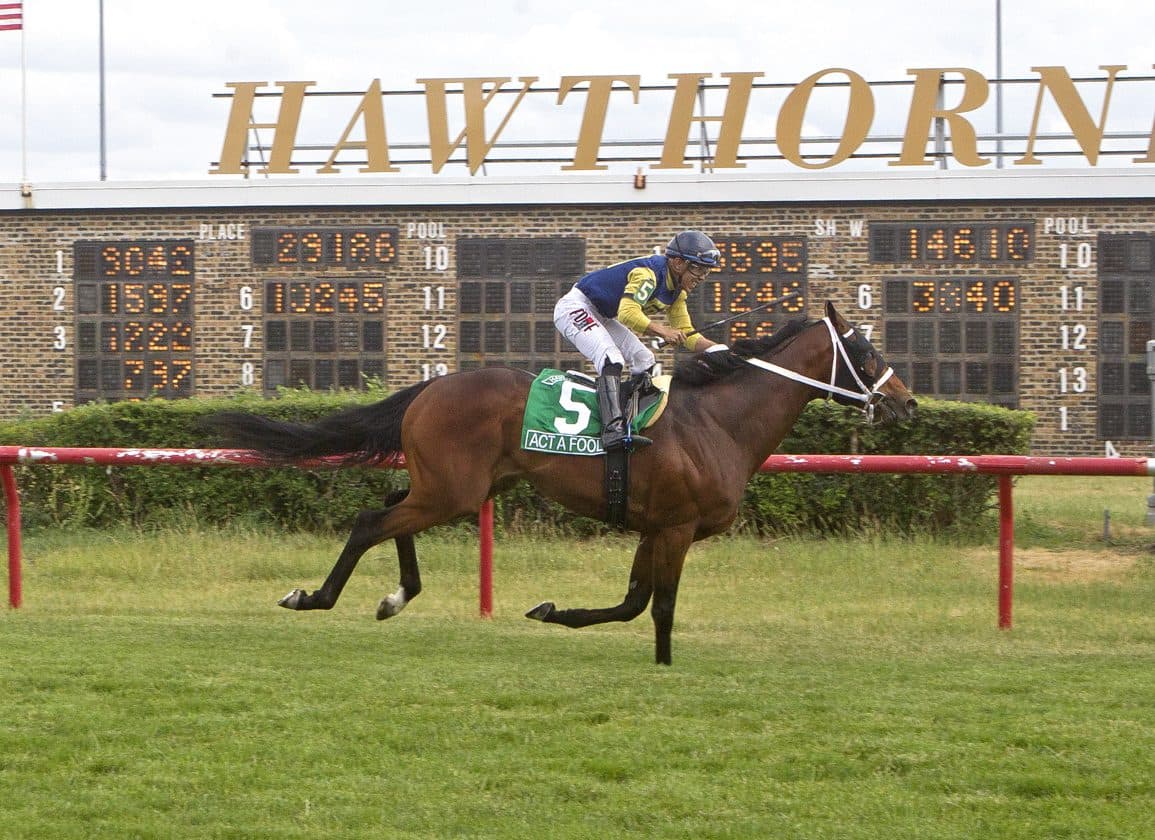
Who pays when a claimed Thoroughbred arrives at the barn with a problem, and what happens if meet purses at venues such as Hawthorne shrink enough to threaten a trainer’s business model? That unresolved consequence is the first decision every first-time owner faces as they step into part-ownership, partnerships, or syndicates in 2026. The choices you make about buying, claiming, licensing, registration, and veterinary planning determine whether the horse is an asset or an ongoing liability.
Buying: sourcing a Thoroughbred you can campaign Begin with the horse’s record and racing jurisdiction. Thoroughbreds available at private sales, public auctions, or from consignors vary by region; your ownership structure, whether sole owner, part-owner, or syndicate member, will affect registration and license requirements. Budget not only for purchase price but for recurring costs: training, transport, farrier, and veterinary care. Remember that purses at some tracks, exemplified by recent concerns about meet viability at Hawthorne, influence a horse’s earning potential and therefore valuation. For a first buy, identify a trainer with experience claiming horses and navigating jurisdictional licensing so you know the realistic purse targets for your horse.
Claiming: the sport’s fastest route to ownership and risk Claiming races transfer ownership in a single transaction at the moment the gates open. That speed creates upside and downside: you can acquire a race-fit Thoroughbred for a set claiming price, but claims come with no warranty on soundness. Factor in the claiming tag as a hard cap on acquisition cost and the immediate need to budget for potential veterinary interventions post-claim. If you plan to claim, coordinate with your trainer and stables about notification timing and funds availability, and be aware that claiming across jurisdictions may trigger differing paperwork and licensing needs.
Registration and ownership structures: from sole owner to syndicate Registering a Thoroughbred and declaring ownership structure affects licensing, purse checks, and tax reporting. Whether you are a sole owner, a named part-owner, or part of a syndicate, register according to the racing authority that governs the meet where the horse will start. Partnerships and syndicates are common entry points for first-time owners because they spread cash flow and risk; however, they require clear operating agreements that specify who pays entry and starting fees, who covers veterinary bills, and how proceeds are distributed. On the media side, coverage gaps following notable departures, such as Schrupp’s exit from broadcasting roles, have shown how a named personality can affect visibility and therefore sponsorship or secondary revenue opportunities for owners and meets.
Licensing and jurisdiction: where you can run, and who licenses you Licensing rules vary by racing jurisdiction and they matter at every step: owner licenses, trainer licenses, and stable employee credentials are not universally transferable. Confirm which state or country’s racing commission governs the track where you intend to race and obtain the appropriate owner license ahead of the meet. Licensing often requires background checks, registration with the local authority, and payment of fees. Trainers with multi-jurisdiction experience streamline this process and help navigate state-specific rules on claiming limitations, registration timelines, and purse eligibility. Keep calendar dates in mind for meets where purses are under discussion; a low-purse meet may not justify the costs of licensing and shipping.
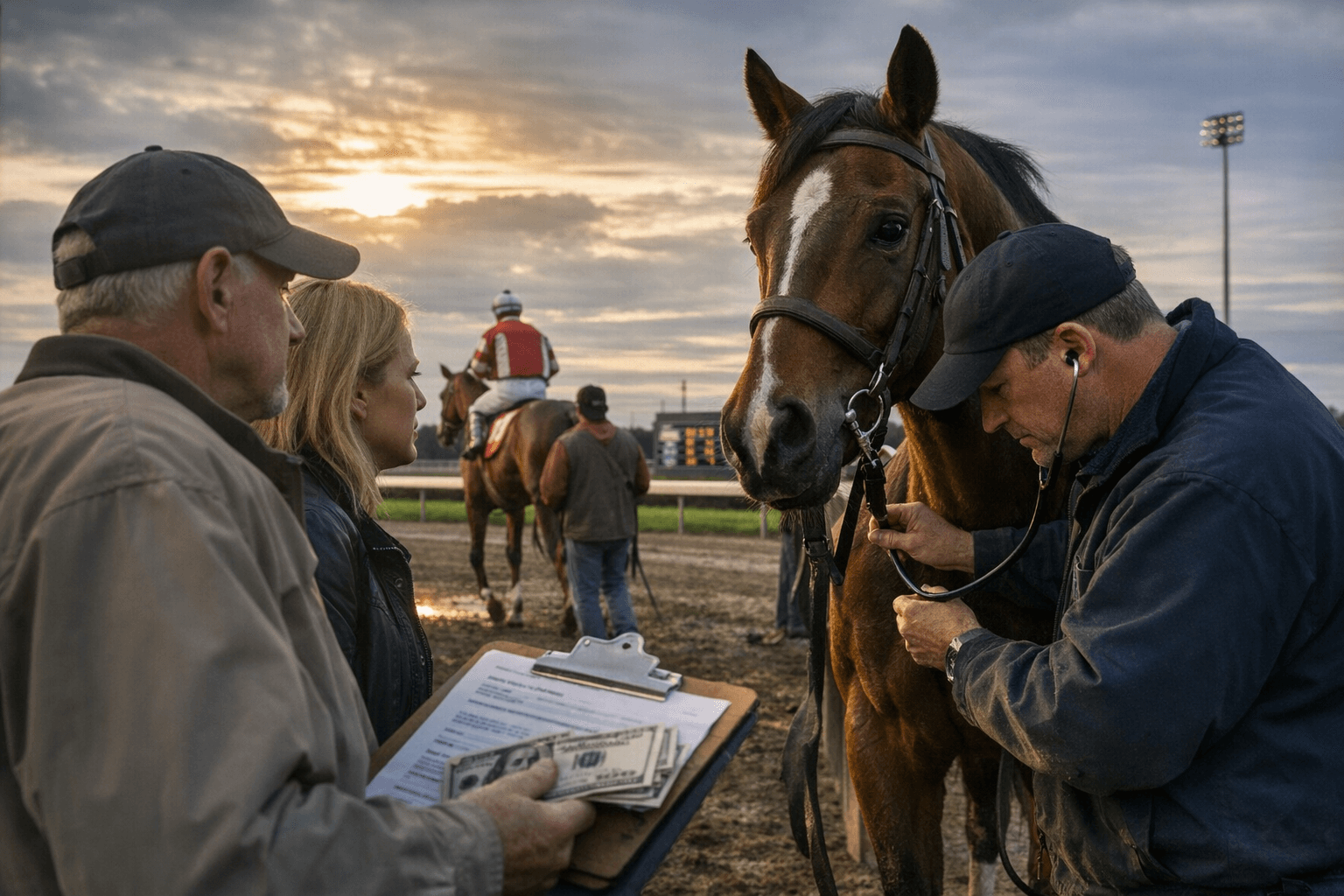
Veterinary basics: pre-purchase exams to routine care A pre-purchase veterinary exam is non-negotiable when buying or claiming a Thoroughbred. That exam should include a full lameness evaluation, flexion tests, and an assessment of respiratory and cardiac function. Budget for baseline care: vaccinations, dental work, Coggins testing where required, and regular farrier cycles. Post-claim, expect to absorb treatment costs for any conditions discovered after transfer of ownership; structure partnerships to identify who covers unexpected bills. A practical veterinary plan includes an emergency fund held by the partnership or syndicate and a preferred equine hospital nearby the trainer’s base of operations.
Working with trainers and barns: aligning incentives Select a trainer whose business model aligns with your goals and the purse realities at the tracks you target. Trainers absorb overhead and staffing costs and rely on consistent purses and meet viability for stable economics. If you target lower-level claiming circuits to build a horse’s record, make sure the trainer has experience placing horses in classes where claiming price and purse make financial sense. Clarify day rates, haul-in fees, and protocols for veterinary referrals. Given the industry’s attention to media visibility, trainers who have relationships with promotions or can navigate changing coverage after well-known departures like Schrupp’s may offer ancillary benefits for sponsorships or private partnerships.
Costs, cash flow, and purse context Your financial model must account for ongoing cash flow: monthly training bills, entry and starting fees, transport, and veterinary contingencies. Purses are the primary revenue stream but they are uneven: fluctuations at tracks such as Hawthorne affect projected earnings and, in aggregate, meet viability. Expect periods when a horse runs at a net loss while building form. Partnerships should document capital calls and minimum reserves to avoid forced sales of horses when cash is tight. Use realistic purse projections rather than aspirational targets.
Risk management: insurance and exit planning Protect against catastrophic loss and major veterinary bills with mortality and major medical insurance where available. Syndicates and partnerships should also include buy-sell provisions and defined exit strategies if a horse is claimed, sold, or retired. An exit plan clarifies whether the syndicate dissolves or retains a share for breeding or resale. Given that only 1.3% of industry articles get widely shared and coverage can be pivotal for value, document a communications plan for retirements and sales to help preserve value and public interest.
- Have a pre-purchase exam completed and budget at least three months of operating expenses upfront.
- Confirm owner licensing requirements with the racing commission for your target meet before committing funds.
- Set syndicate agreements in writing, specifying capital calls, veterinary payment responsibilities, and exit rules.
- Choose trainers with experience in claiming and who understand purse dynamics at tracks like Hawthorne.
- Maintain an emergency veterinary reserve and consider mortality and major medical insurance.
Operational tips and quick checklist
A final note on visibility and value: in a market where 98.7% of readers simply consume content without sharing, named associations and clear financial stakes drive attention and valuation. Your horse’s on-track performance matters, but so does the story you tell about purse targets, meet selection, and responsible care. Make those decisions now, align your ownership papers to meet licensing rules, and keep a pragmatic veterinary plan in place so the Thoroughbred you buy, claim, or syndicate can race to earn rather than cost to maintain.
This article was produced by Prism’s automated news system from verified source data, official records, and press releases, then run through automated quality and moderation checks before publishing. The system is built and supervised by the people who set the standards it runs under. Read our full AI policy.
Did this article answer your question?