AgriFutures Seeks Chair to Guide AU$1M Thoroughbred RD&E Program
AgriFutures opened applications for the chair of its Thoroughbred Horses Advisory Panel to steer a AU$1 million annual RD&E program that shapes welfare, breeding and industry sustainability.
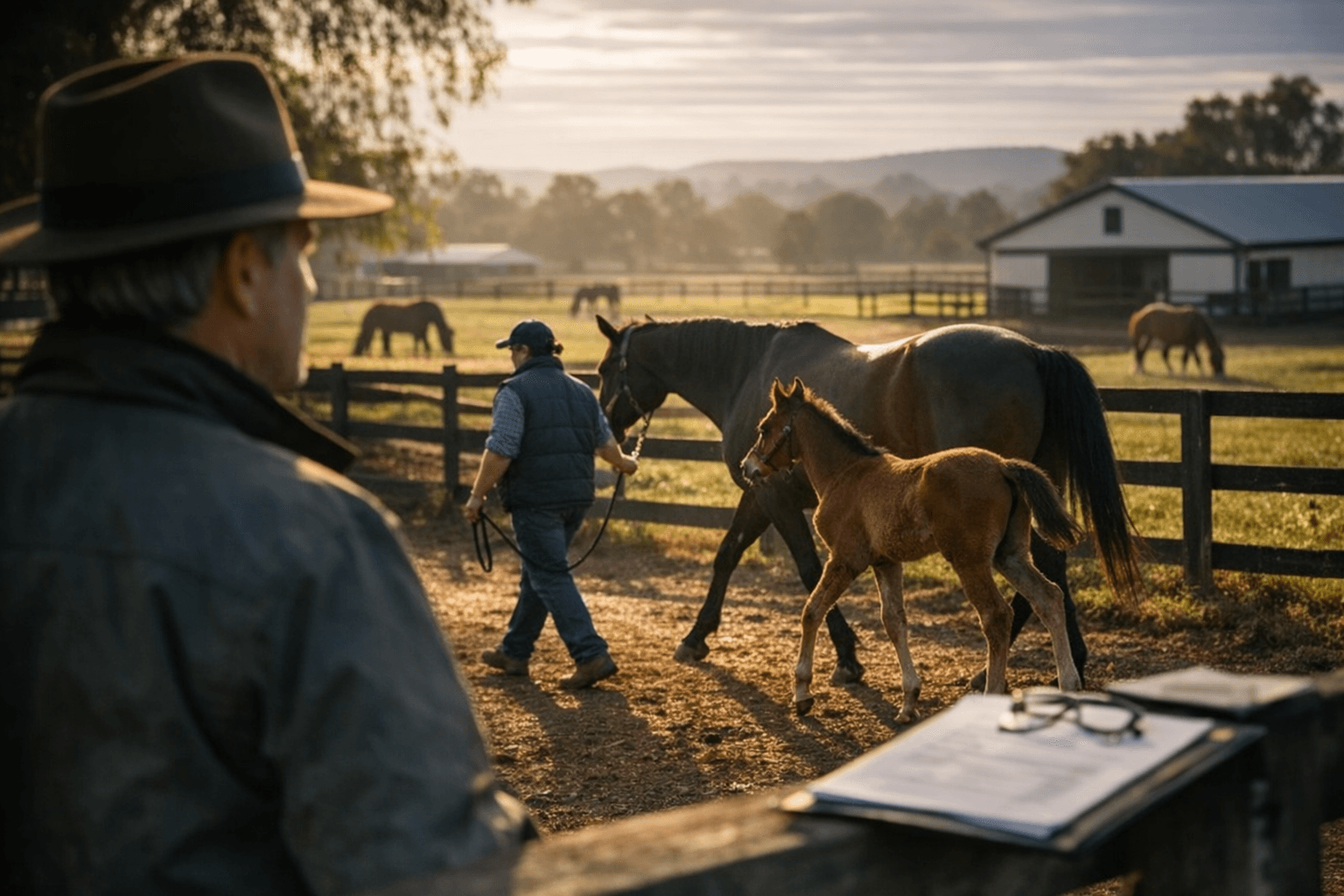
AgriFutures Australia opened applications on January 22 for the chair of its Thoroughbred Horses Advisory Panel, tasking the successful candidate with setting strategic priorities and governance for a program that invests about AU$1 million each year in research, development and extension. Applications close February 17, 2026, and AgriFutures is seeking experienced industry figures - breeders, veterinarians, researchers and other stakeholders - to shape research investments that support profitability and sustainability across the Thoroughbred sector.
The panel chair will guide funding decisions across five core areas: welfare, sustainability, breeding, workforce engagement and disease management. Those priorities reflect immediate industry pressures, from rising costs at the stud to biosecurity risks that can sideline entire cohorts of racehorses. For owners, trainers and breeders, RD&E outcomes translate directly into on-track performance and balance-sheet resilience: improved disease control reduces foal and yearling losses, breeding science can sharpen genetic selection, and welfare innovations help maintain public confidence in racing.
For the racing community, the program is a business lever as much as a research stream. AU$1 million of directed RD&E funding each year can underwrite applied trials at studs, fund veterinary research into common conditions such as musculoskeletal disease, and support extension programs that transfer findings into stable yards and training centres. That pipeline matters to bloodstock agents and buyers at yearling sales, because measurable gains in soundness and performance affect market valuations and export competitiveness.
Workforce engagement sits alongside science in the program because labour availability and skill development have become strategic constraints for stables and studs. Targeted extension programs can upskill stablehands, stud staff and early-career veterinarians, making it easier for trainers and breeders to retain talent and implement best practice. Disease management research also carries national implications: stronger biosecurity protocols reduce the likelihood of interstate movement restrictions and the economic fallout those bring.
Culturally, the initiative signals a pragmatic pivot within the sport toward evidence-based stewardship. Racing’s social licence depends on demonstrable progress in horse welfare and sustainability; a well-led advisory panel can prioritise projects with measurable indicators and clear extension pathways so findings reach tracks, studs and training centres quickly.
Applications close February 17, 2026, leaving a narrow window for applicants with the right blend of industry credibility and governance experience. The appointment will determine how the AU$1 million annual investment is shaped in coming years, with tangible consequences for breeders, veterinarians, trainers and the broader racing economy as research translates into better-bred, healthier and more competitive Thoroughbreds.
This article was produced by Prism’s automated news system from verified source data, official records, and press releases, then run through automated quality and moderation checks before publishing. The system is built and supervised by the people who set the standards it runs under. Read our full AI policy.
Did this article answer your question?