ASIC review puts racehorse syndicators under fairness spotlight
ASIC is weighing horse-scheme rules as syndicators face AFSL, approval and disclosure hurdles that trainers do not. The decision could reshape who can sell racehorse shares to everyday owners.
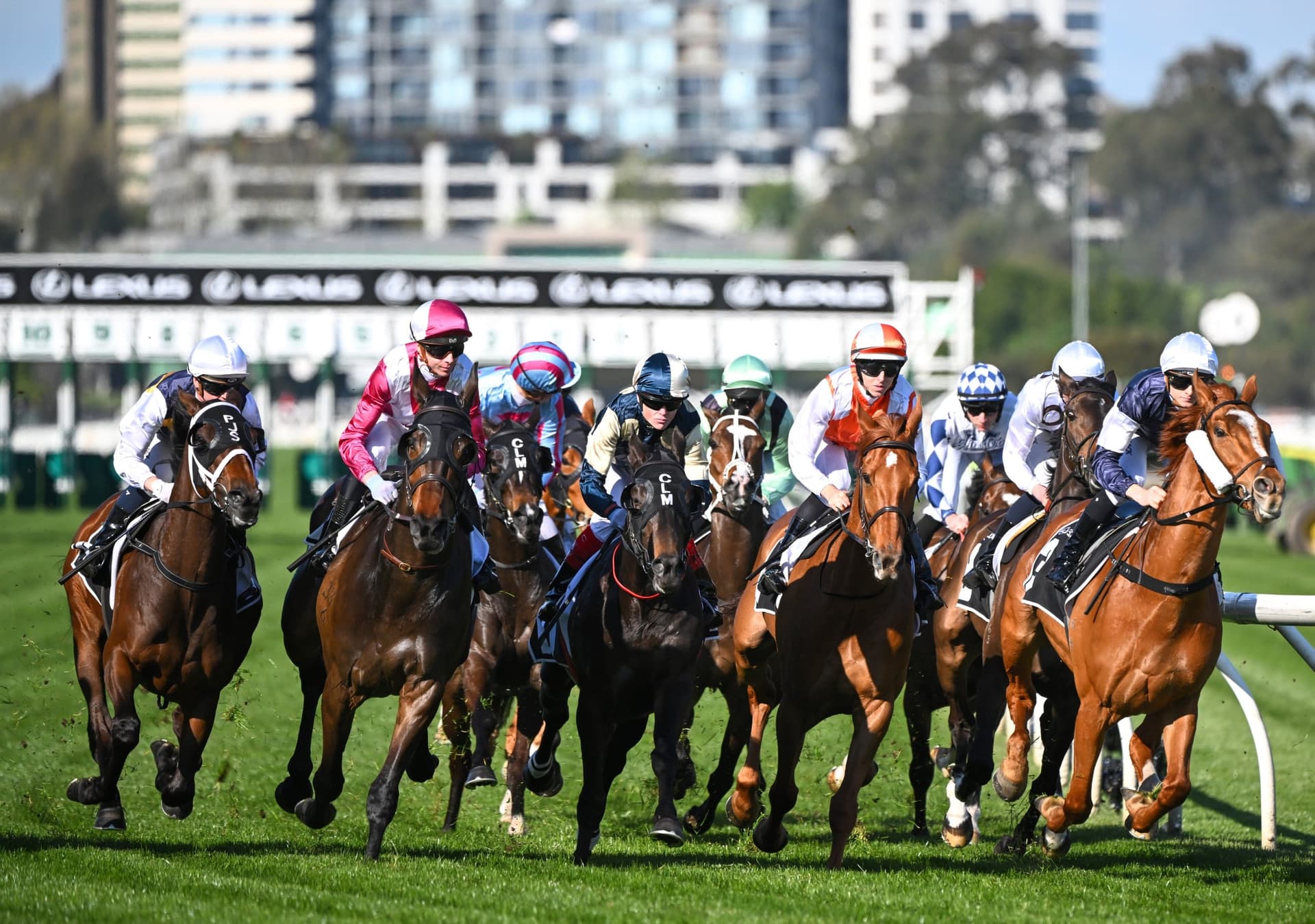
Australia’s racehorse syndicators are back under the fairness spotlight as ASIC reviews a rulebook that makes selling shares costlier and more complex than promoting a horse through a trainer-led stable. The question now is whether the system still protects investors without putting ordinary ownership groups at a disadvantage.
ASIC published its consultation on 27 May 2026 and is asking for feedback on remaking six legislative instruments covering managed investment schemes, including the ASIC Corporations (Horse Schemes) Instrument 2016/790. Submissions close at 5pm AEST on 24 June 2026. If remade, the horse schemes instrument would be extended for five years past its current expiry date of 1 October 2026.
The instrument gives conditional relief to promoters and managers of small-scale horse racing syndicates from having to register the syndicate as a managed investment scheme. That matters because horse racing syndicates are generally treated as managed investment schemes under the Corporations Act 2001, which brings major disclosure, licensing and compliance obligations with it. In practice, the rules mean anyone advertising, offering or selling shares to the public can face a very different regulatory burden depending on whether they are a syndicator or operating through other racing channels.
Queensland and New South Wales have both drawn clear lines. QRIC says a horse racing syndicate will generally be considered a managed investment scheme, and in Queensland anyone offering ownership shares in racehorses to the public must hold an AFSL or be an authorised representative, be approved by QRIC as a promoter, and provide a QRIC-approved Product Disclosure Statement. Racing NSW says anyone promoting interests in horse racing schemes must hold an AFSL, be approved by Racing NSW, and be listed on the Register of Approved Promoters or Authorised Representatives. Both regulators warn that people who are not compliant should stop promoting shares.

The stakes are bigger than paperwork. A 2024 Straight report said combined owners across Australia reached 141,190 in 2022/23, up 23% from 114,614 in 2019/20. Racing Australia said syndicates rose to 11,321 from 7,210 over the same period, while owners with a financial interest in syndicated thoroughbreds climbed from 40,809 to 60,454. At the same time, average Australian yearling auction prices rose from $63,277 in 2013/14 to $119,570 in 2022/23, peaking at $123,000 in 2021/22.
Racing Australia doubled the maximum number of owners allowed in a racehorse from 10 to 20 in 2012, a change that helped fuel syndication. Since then, horses with more than 10 owners have grown from 1,316 in 2013/14 to 2,799 in 2022/23, while single ownership has fallen from 4,866 horses to 4,177. With Treasury’s broader managed investment schemes review launched after the collapses of the Shield and First Guardian Master Funds, the pressure is on to make sure racehorse ownership stays accessible without loosening consumer protection. Industry groups are also pushing education and ethical standards, including a racehorse syndication education program developed in 2026 to lift best practice.
This article was produced by Prism’s automated news system from verified source data, official records, and press releases, then run through automated quality and moderation checks before publishing. The system is built and supervised by the people who set the standards it runs under. Read our full AI policy.
Know something we missed? Have a correction or additional information?
Submit a Tip