Belmont Pledge returns, trainers back Thoroughbred Retirement Foundation
Belmont Festival earnings are back on the table for retired racehorses, as Michael McCarthy, George Weaver, Whit Beckman and Amelia Green renewed the Belmont Pledge.

The Belmont Pledge returned with a sharper message than a feel-good side note: a cut of Belmont Festival earnings will again be aimed at retired Thoroughbreds, putting aftercare inside the sport’s biggest spring week instead of on its margins.
Michael McCarthy, George Weaver, Whit Beckman and Amelia Green were the trainers named in the 2026 pledge, announced May 20, and the group renewed a format that links active horsemen to the horses that need help after their racing days end. Jonathan Thomas was part of the 2025 version, a sign that the effort has already shown it can expand beyond one season if enough horsemen see value in it.

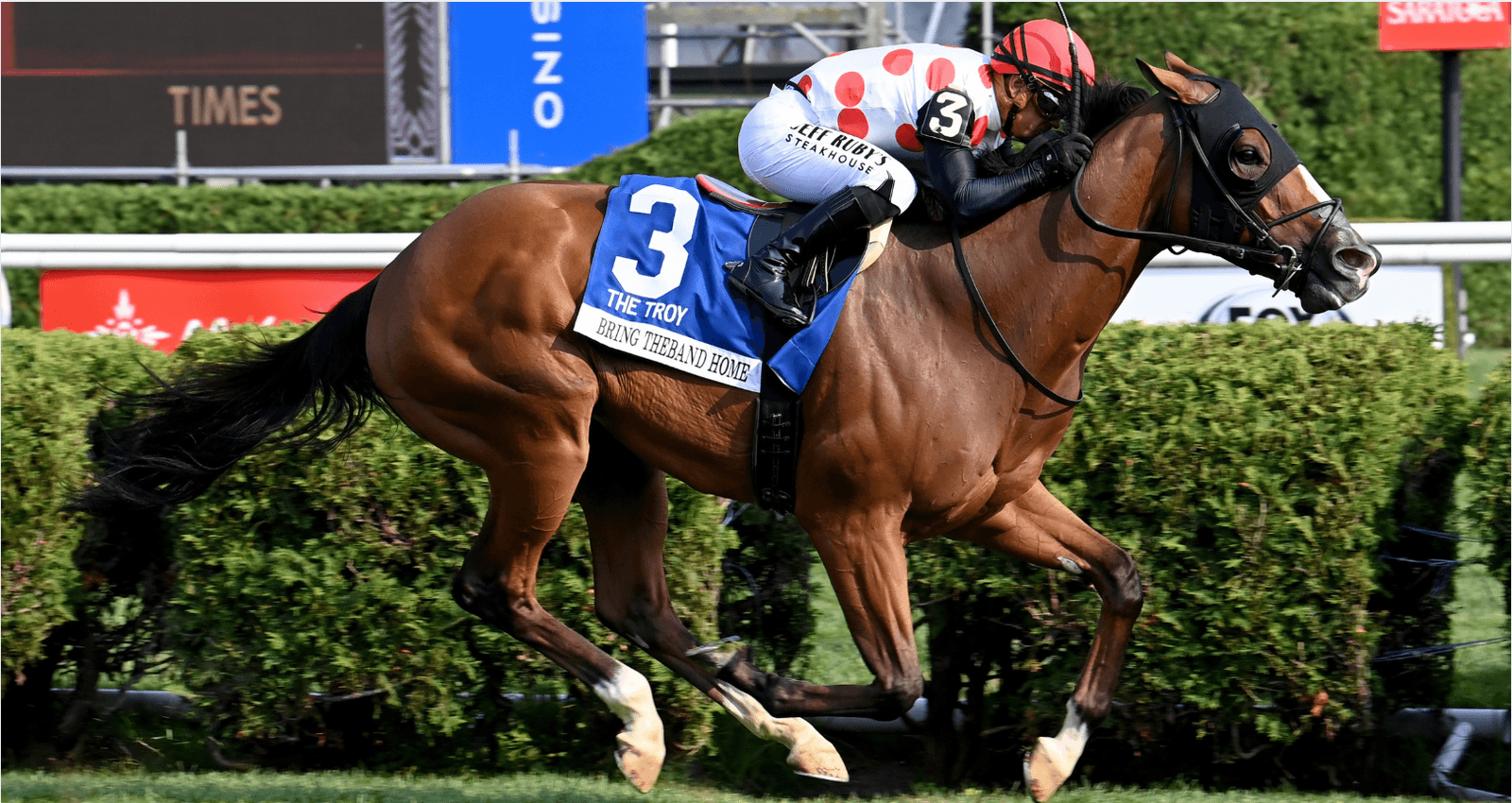
That matters because the Belmont Stakes Racing Festival is no ordinary backdrop. NYRA scheduled the 2026 festival for Wednesday, June 3 through Sunday, June 7 at Saratoga Race Course, with the Belmont Stakes set for Saturday, June 6. It is also the festival’s final year at Saratoga before the event returns to Belmont Park in 2027, which gives this edition a built-in sense of transition and a larger platform for any initiative attached to it.
The Thoroughbred Retirement Foundation is the obvious beneficiary, and the math behind the cause explains why. TRF says it is the leading 501(c)(3) nonprofit caring for retired Thoroughbreds, founded in 1983, and it says it currently cares for nearly 400 retired racehorses across the country. A 2025 TRF feature put its national herd at 425 horses with an average age over 20, a reminder that aftercare is not a one-time expense but a long tail of feeding, veterinary work and daily maintenance.
TRF also cited an average annual cost of at least $75,000 to keep a Thoroughbred alive, which is why even a pledge tied to festival earnings can carry real weight. The point is not just that trainers donated. It is that the money comes from the sport’s most visible week, when purse earnings and media attention are both at their peak, and it creates a direct line from current runners to the horses who have already done their job.
Maggie Sweet, TRF’s executive director, backed the return of the pledge and treated it as more than a one-off gesture. That is the crux of why the Belmont Pledge matters: it gives owners, fans and horsemen a public test of racing’s credibility on aftercare, and it does it at a stage where the whole industry is watching. If more trainers, owners and jockeys join in, the pledge could become the rare charitable idea in racing that actually matches the scale of the problem.
This article was produced by Prism’s automated news system from verified source data, official records, and press releases, then run through automated quality and moderation checks before publishing. The system is built and supervised by the people who set the standards it runs under. Read our full AI policy.
Did this article answer your question?