Belmont Stakes 2026 at Saratoga brings history, shorter trip, key Derby rivals
The Belmont’s strangest stat is its setting: Saratoga is trimming the “Test of the Champion” to 1 1/4 miles, turning a race built on stamina into a sharper, speedier exam.

A Belmont built on rare pressure
Only four Belmont Stakes have been decided by a nose or less since 1905, and that scarcity is part of the race’s mystique. The 2026 running adds a different kind of pressure: it is being staged at Saratoga Race Course at 1 1/4 miles, not the traditional 1 1/2, which changes the whole shape of the test and the way the field will be judged.
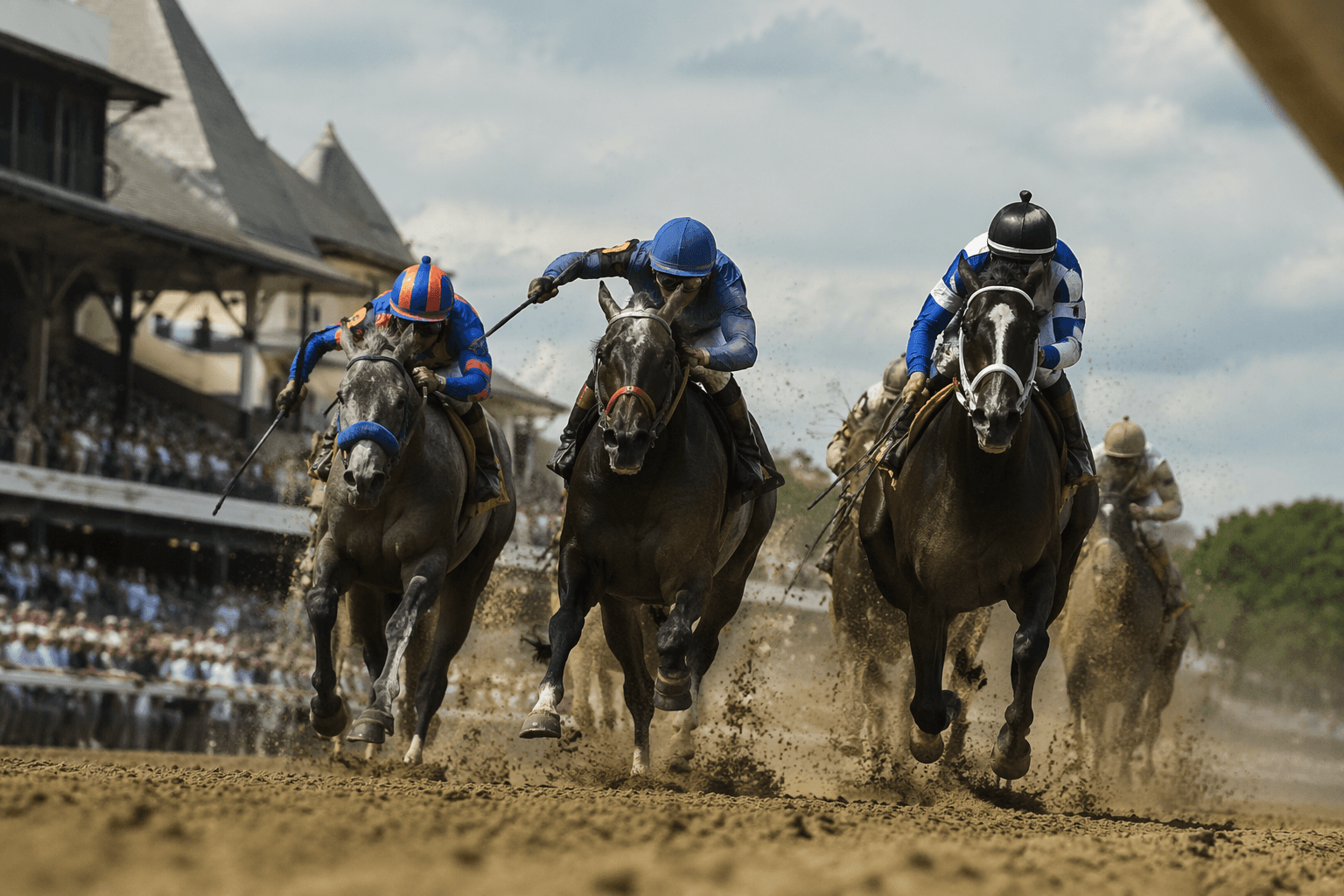
That makes this Belmont feel unusual even before the gates open. The race has lived long enough, since 1867, to accumulate records that still matter and oddities that still surprise, and NYRA’s own history pages place it as the oldest Triple Crown race and the fourth-oldest horse race in North America. When a race with that kind of weight gets moved, shortened, and linked to major Derby names, every detail starts to matter.
Why Saratoga changes the script
The 2026 Belmont Stakes is scheduled for June 6 at 7:04 p.m. ET at Saratoga Race Course, with a listed purse of $2 million and a field of nine. It is the third and final Belmont scheduled at Saratoga before Belmont Park reopens, which gives this edition a built-in sense of transition rather than tradition alone.
That transition is not cosmetic. Saratoga’s main dirt oval forces the Belmont to be run at 1 1/4 miles, and that shorter trip changes the handicapping calculus. The classic Belmont distance of 1 1/2 miles has been in place since 1926, so this version trims a quarter-mile off a race that has long been used to expose whether a three-year-old can keep going after the Derby and the Preakness. At Saratoga, stamina still matters, but finishing kick and tactical position become more valuable than they would in the old Belmont Park setup.
The backdrop is Belmont Park’s multi-year redevelopment project. NYRA says the re-imagined Belmont Park is set to reopen for live racing on September 18, 2026, which means this Saratoga chapter is temporary, but not trivial. It is the kind of temporary arrangement that often creates unusual betting puzzles and memorable outcomes, because the race’s identity is being filtered through a different track shape and a different distance.
Derby rivals bring the intrigue
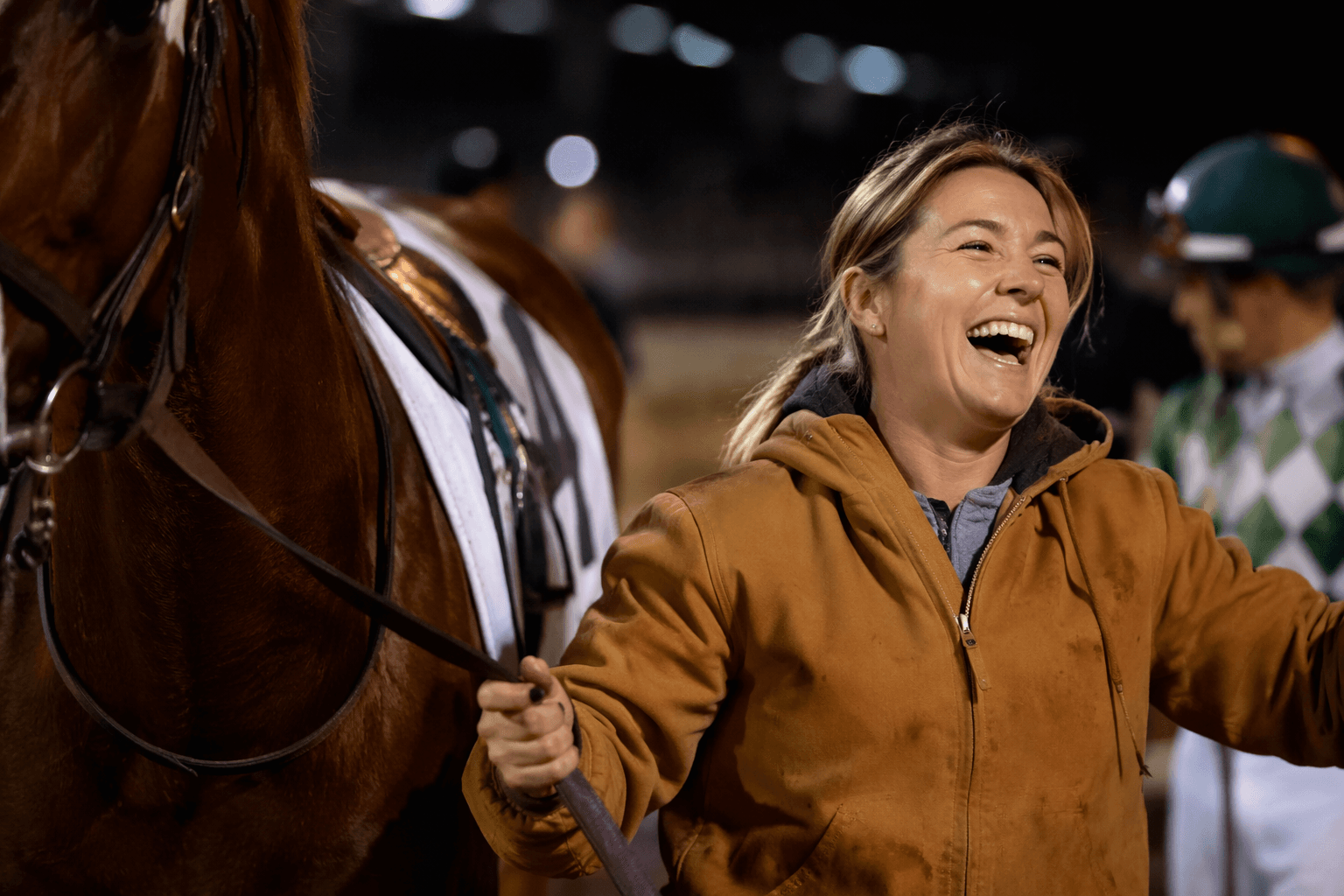
The 2026 field is expected to include Golden Tempo, Renegade, Ocelli, and Chief Wallabee, which gives the race a direct link back to the spring classics. Golden Tempo is the most prominent name in the group, not only because of the colt’s Derby pedigree but because trainer Cherie DeVaux became the first woman to train a Kentucky Derby winner. That alone makes Golden Tempo a central storyline, and it gives this Belmont a cultural dimension that extends beyond one afternoon at the track.
The field also matters because there is no Triple Crown bid for the eighth straight year. That changes the emotional weight of the race. Instead of serving as the final act of a chase for racing immortality, the Belmont becomes a measuring stick for the best 3-year-olds still standing after the Derby and Preakness run their course. The Preakness was won by Napoleon Solo, so the 2026 Belmont enters without the pressure of a live sweep but with enough class in the field to shape the rest of the season.
A race that has moved before, but never lost its identity
The Belmont has been run at five tracks: Jerome Park, Morris Park, Belmont Park, Aqueduct, and Saratoga. That list says a lot about the race’s adaptability. The venue may change, but the sense that the Belmont is a proving ground has survived every move, every rebuild, and every era of the sport.
There is also precedent for the race being displaced. Aqueduct hosted the Belmont Stakes from 1963 through 1967 while Belmont Park was being rebuilt, which is a useful historical parallel for the current Saratoga detour. The race has spent enough time away from its namesake home to prove that the setting can shift without diminishing the brand, but each relocation changes the betting and the drama in subtle ways. Saratoga’s deep racing culture helps soften the move, yet the distance change ensures this is not just Belmont Park in exile.
The records that still frame the conversation
The Belmont’s history matters because its records are still part of the way fans read the race. Secretariat’s 2:24 remains the benchmark at the traditional 1 1/2-mile distance, a standard so famous that it still defines what excellence looks like in the race. Woody Stephens’ five straight Belmont wins remain one of the hardest streaks in American racing to approach, a reminder that sustained dominance at this distance is rare even for elite horsemen.
The shortened Saratoga version has already started building its own history. Dornoch set the modern 1 1/4-mile mark after winning the 2024 Belmont at Saratoga, and Sovereignty lowered that standard in 2025, stopping the clock in 2:00.69. Those numbers matter because they create a separate chapter for the Saratoga editions, one that is distinct from the old Belmont Park script. In practical terms, they also tell bettors that the modern 1 1/4-mile Belmont is not simply a smaller version of the classic race. It is a different test with different time benchmarks and different demands.
Why this Belmont should travel well
The appeal of the 2026 Belmont is that it sits at the intersection of old prestige and temporary change. The race still carries the weight of a Triple Crown jewel, still draws Derby names, and still carries the expectation that a serious horse will have to answer big questions under pressure. But the third Saratoga running, the shorter trip, and the absence of a Triple Crown bid give it a fresher edge than the standard Belmont script.
That combination makes the race unusually readable for casual fans and sharp for horseplayers. Golden Tempo gives it star power, Renegade and the other Derby runners give it form lines worth tracking, and the 1 1/4-mile distance turns pace, positioning, and stamina into a different kind of puzzle. When Belmont Park reopens on September 18, 2026, the race will go home again. For now, Saratoga has the final say, and it is asking one of the sport’s most historic races to prove, once again, that its drama can survive any setting.
This article was produced by Prism’s automated news system from verified source data, official records, and press releases, then run through automated quality and moderation checks before publishing. The system is built and supervised by the people who set the standards it runs under. Read our full AI policy.
Know something we missed? Have a correction or additional information?
Submit a Tip