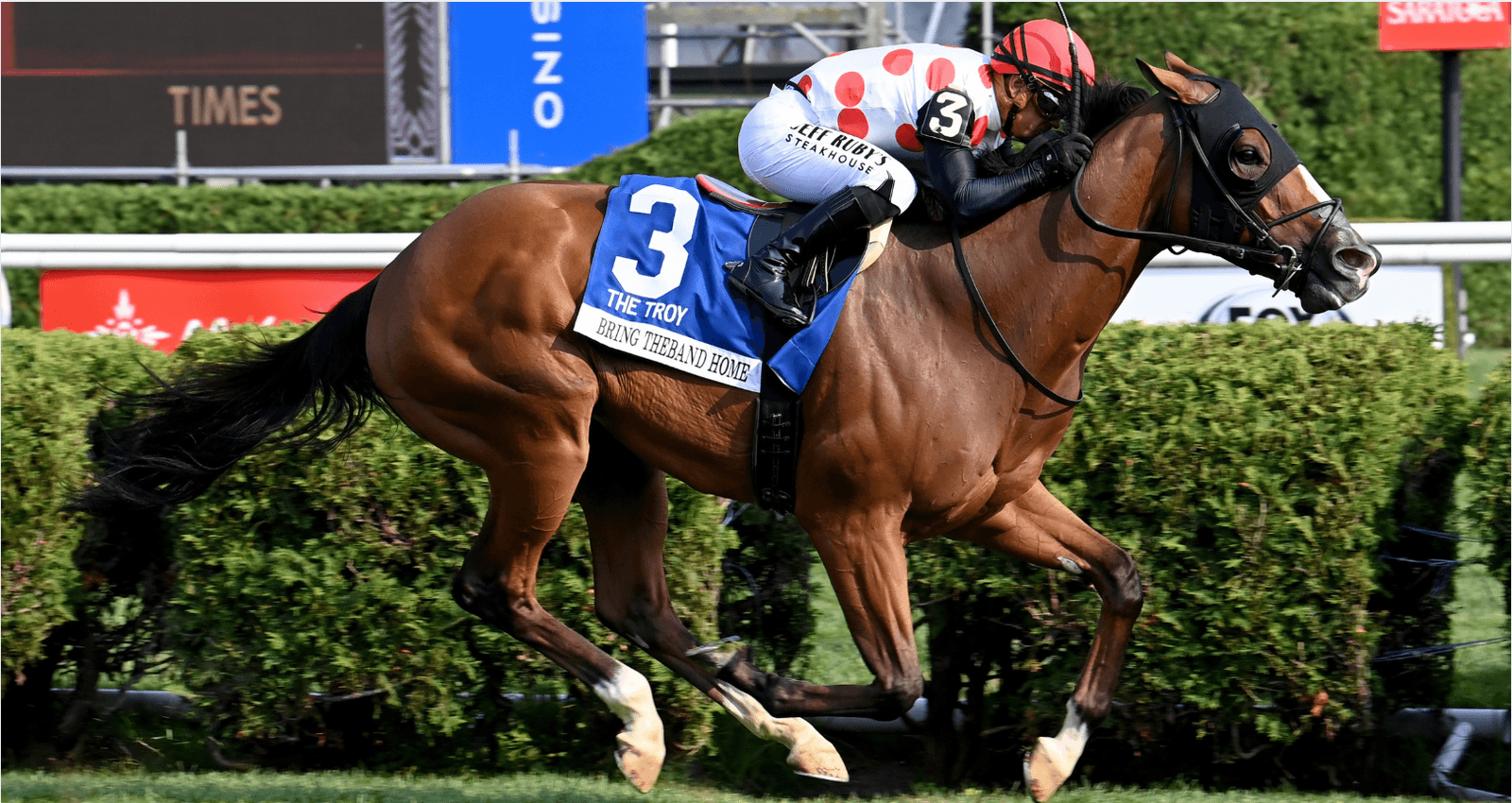
Belmont Stakes returns to Saratoga, Pletcher duo in contention
In-race wagering and a Saratoga Belmont reshape the betting map, while Todd Pletcher’s Renegade-Powershift pair could tilt the 2026 race.

The next version of the Belmont Stakes is starting to look less like a one-off detour and more like a preview of where racing wants its money to come from. As tracks push for more live, race-by-race wagering, the 158th Belmont Stakes will serve as a test case at Saratoga Race Course, where the race will stay for a third and final year before Belmont Park reopens on Sept. 18, 2026.
The 2026 Belmont Stakes Racing Festival will run June 3-7 at Saratoga, with 25 stakes races across five days and 10 Grade 1s among 18 graded stakes. Belmont Stakes Day is set for Saturday, June 6, with post time at 7:04 p.m. ET. The race itself will again be run at 1 1/4 miles, keeping the shorter Saratoga distance in place rather than the traditional 1 1/2-mile Belmont Park setup.
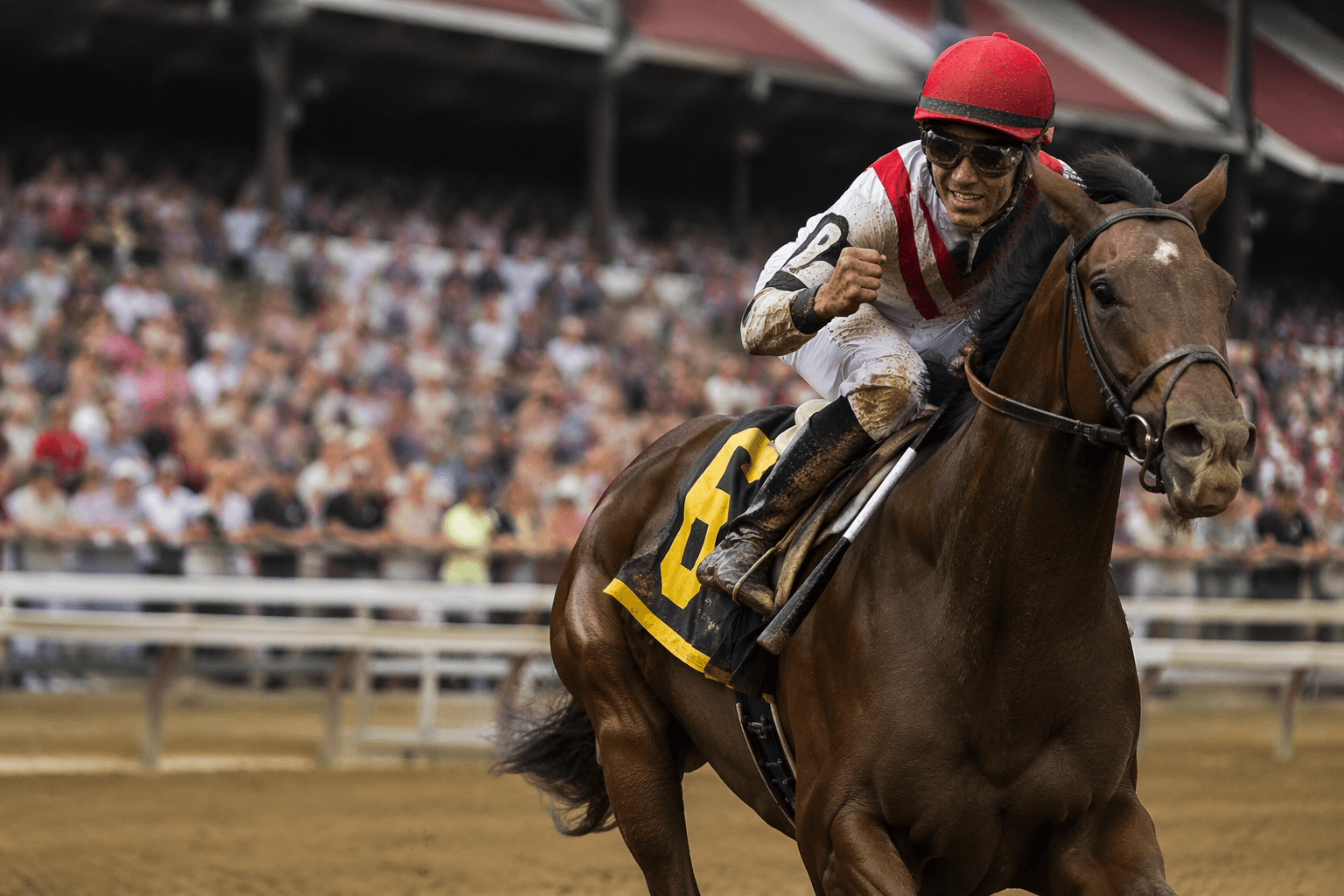
That temporary move has made the race feel both compressed and fluid, and Todd Pletcher may have the most intriguing hand in the field. On May 21 at Saratoga’s Oklahoma training track, Pletcher worked Renegade and Powershift in company. NYRA has identified Renegade as the Arkansas Derby winner and Kentucky Derby runner-up, while Powershift is being considered for the Belmont after a maiden win and a strong work. Pletcher said Powershift is “in play,” a reminder that one of the sport’s most powerful barns could shape how the Belmont is run before the gates even open.
The larger backdrop is a sport trying to modernize its product without losing the meaning that gives it value. BloodHorse has placed in-race wagering alongside the growth of in-game betting in U.S. sports wagering, a sign that horse racing is chasing the same real-time engagement that has fueled handle elsewhere in the sportsbook market. For tracks, the appeal is obvious: more moments to bet, more reasons to stay engaged through the card, and more opportunities to turn a single race into a rolling revenue stream.
At the same time, the grading debate around the Triple Crown is really a debate about what elite racing should look like in 2026. The American Graded Stakes Committee, founded by TOBA in 1973, grades U.S. stakes races annually to identify the highest level of competition. But with the current Triple Crown format in place since 1969, aside from the pandemic-disrupted 2020 season, the series still sits at the center of a larger fight over tradition, field size and whether the sport should alter its calendar to chase fuller, more playable races. Belmont’s Saratoga run, Pletcher’s contenders and the push for in-race wagering all point to the same question: what kind of product will best carry racing into its next era?
This article was produced by Prism’s automated news system from verified source data, official records, and press releases, then run through automated quality and moderation checks before publishing. The system is built and supervised by the people who set the standards it runs under. Read our full AI policy.
Did this article answer your question?