BHA Chair Charles Allen Resigns Days Before Cheltenham Festival Opens
Lord Charles Allen quit as BHA chair just six months in, seven days before Cheltenham, after a bitter row over race-day data rights collapsed governance talks.
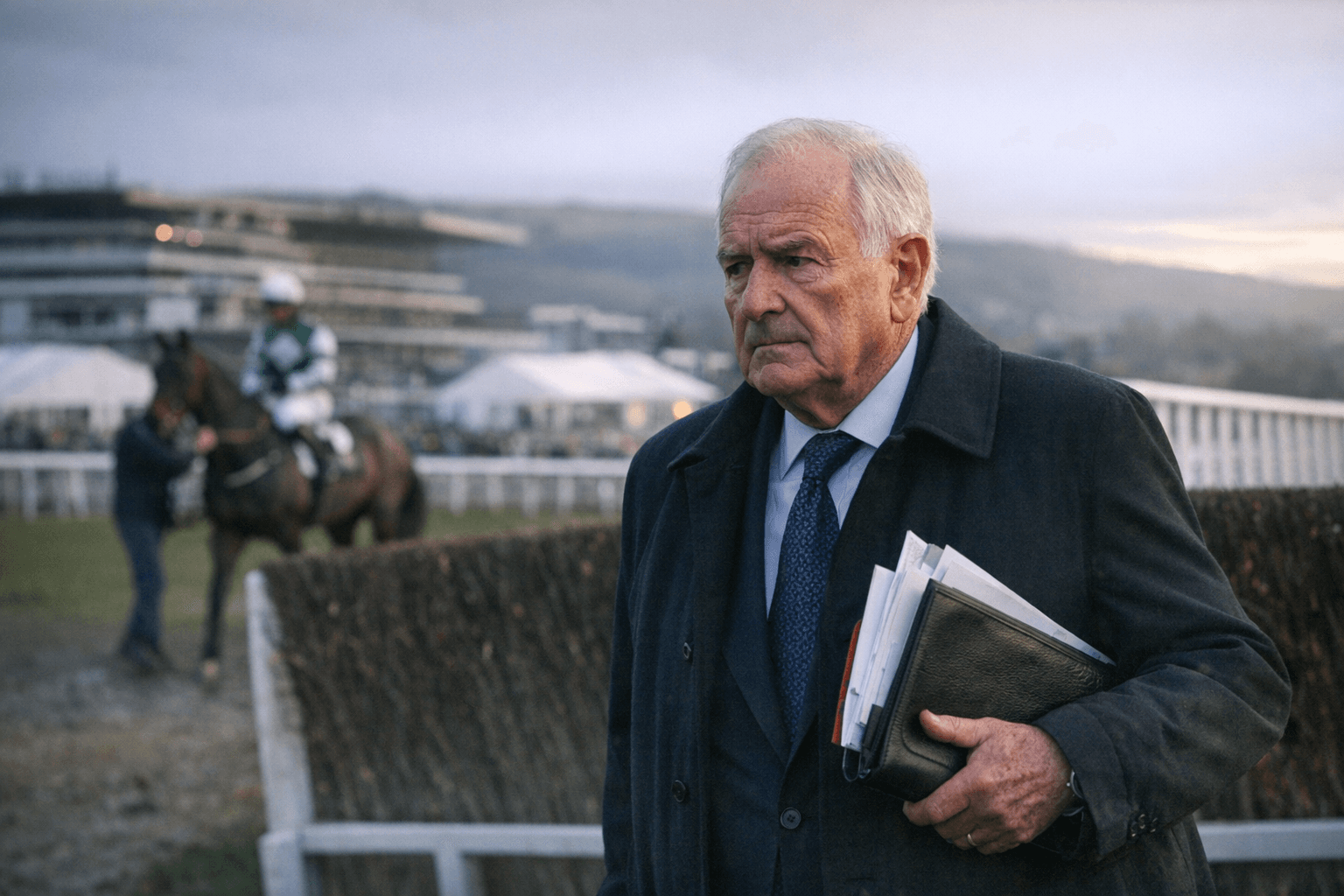
Lord Charles Allen's tenure as chair of the British Horseracing Authority lasted exactly as long as it took British racing's factional warfare to grind him down: six months. The BHA confirmed on Tuesday, March 3 that Allen had resigned, with the Cheltenham Festival, the sport's four-day centerpiece drawing more than 160,000 racegoers annually, just seven days away.
Allen was appointed late in 2024 following what the BHA described as an exhaustive search and officially assumed the chair in September 2025, three months later than his originally intended start date of June 2. He had delayed that start, insisting on assurances that a fully independent BHA board without nominated representatives from the sport's special interest groups would actually be implemented. Those assurances, it turned out, were worth very little.
The proximate cause of his exit was a collapse in negotiations over governance reform, specifically a bitter dispute over the commercialisation of race-day data rights. The BHA owns those rights and currently sells them to racecourses at a significantly reduced rate. The Thoroughbred Group, representing trainers, owners and jockeys, favoured charging more for the data. Racecourses were fiercely opposed. The current contract between the two sides expires in 2028, and the fight over what comes next poisoned every governance conversation Allen tried to have. Racing Post reported that it is understood Allen eventually relented on the data rights issue in favour of the racecourses, after which the participant groups asked him to resign.
"Horseracing is an amazing sport with great potential and over the last year I have met some incredibly passionate people who love the sport and who believe to survive and prosper that change is needed," Allen said in his resignation statement. "I also want to pay tribute to the hardworking and dedicated BHA team. I wish the sport well for the future."
BHA senior independent director David Jones offered the board's farewell: "The board would like to thank Charles for the time and effort that he has put into the role helping us to develop a vision that is aspirational and achievable, and we regret that we were unable to put in place at this time the governance changes that would have enabled us to progress this."
Allen arrived with a resume that looked impressive on paper. He had chaired the 2002 Commonwealth Games committee, worked to deliver the 2012 London Olympics, and held senior roles across broadcasting, construction and retail. He had no significant prior connection to horse racing, which was pitched as an asset, a clean-slate appointment unencumbered by allegiances. Racing Post had lauded him as a candidate of "outstanding calibre" when his appointment was announced in November 2024. His stated mission was to develop British racing into a "modern commercial and cultural powerhouse."
The divisions that defeated him ran deeper than a single contract dispute. The fractures were not simply between racecourses and participants, but between the major tracks owned by Jockey Club Racecourses and the smaller courses allied to Arena Racing Company, which operates 16 racecourses. ARC's business model depends heavily on lower-attended meetings supplying live action to off-course operators, making it deeply resistant to any reform that threatens that revenue structure. ARC is believed to have been a key mover behind the Racecourse Association's insistence that tracks would not face major hikes in data costs after 2028.
Allen's failure to resolve those divisions also left the BHA without a permanent chief executive. Julie Harrington stood down as CEO at the end of 2024, and Allen had wanted the new independent board to make that long-term appointment. With no board and no chair, Brant Dunshea remains acting CEO.
The fallout was immediate. The Jockey Club and major racecourses Ascot, Goodwood, Newbury and York wrote to Racecourse Association chairman Wilf Walsh within hours of the resignation announcement, calling for an urgent governance review of the RCA and requesting a formal reform proposal by the end of April 2026. Their stated objectives: ensuring the RCA's "board and voting representation is balanced and credible," that "significant views from key racecourses can influence outcomes," and that "the organization can act decisively on matters affecting the wider industry."
Six months, no independent board, no permanent CEO, and a governance crisis announced to the world a week before racing's most-watched festival. The Guardian's assessment was pointed: Allen is "just the latest leader of a fractured industry to sink without trace into the quicksand of factional interests." The question British racing now faces is whether anyone with the standing and leverage to actually change that will want the job.
This article was produced by Prism’s automated news system from verified source data, official records, and press releases, then run through automated quality and moderation checks before publishing. The system is built and supervised by the people who set the standards it runs under. Read our full AI policy.
Did this article answer your question?