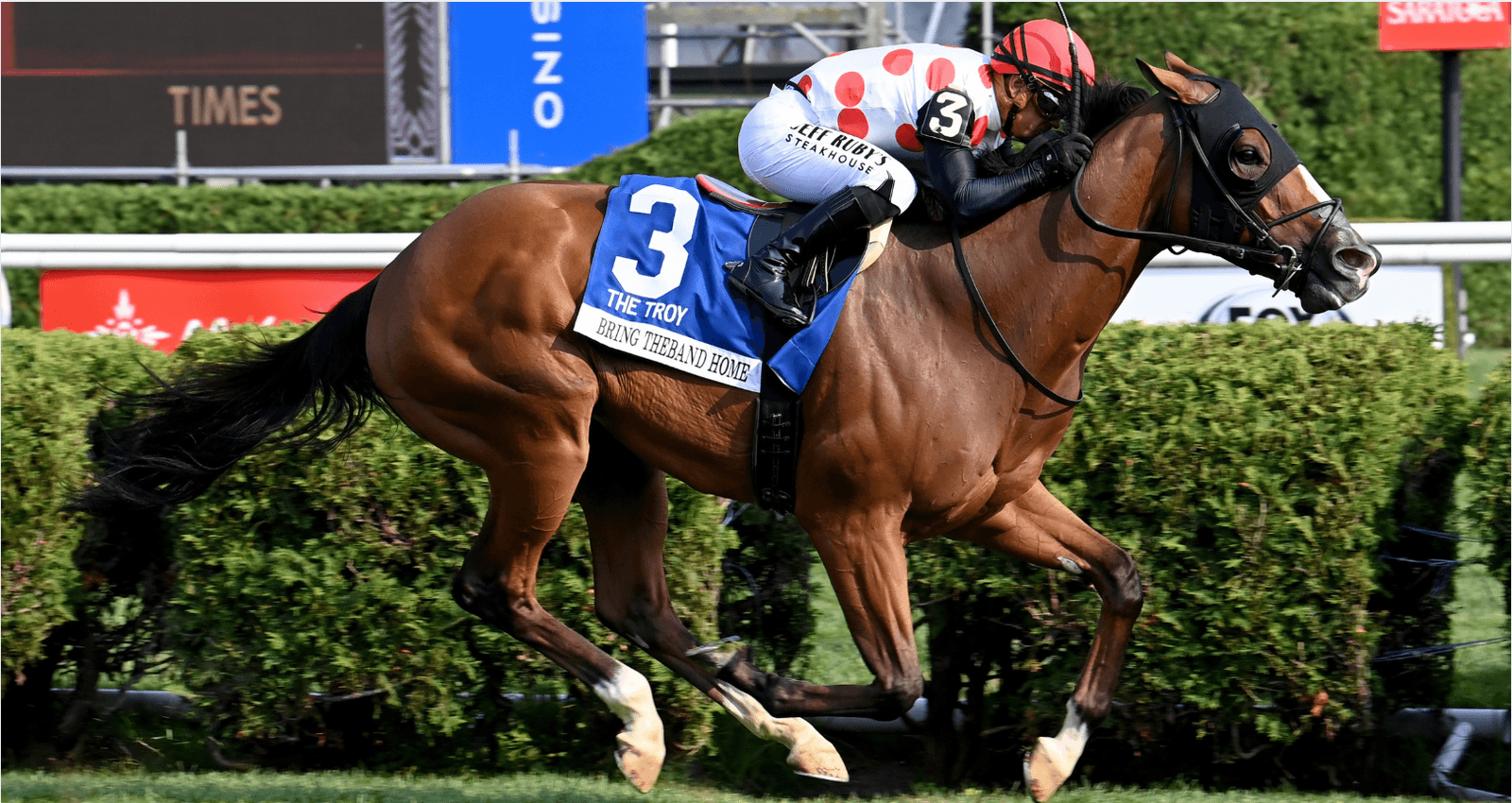
Bill Childs and Crude Velocity point to Woody Stephens next week
Bill Childs took the long way into Thoroughbreds, and Crude Velocity now gives that patience a Grade 1 test at Saratoga.
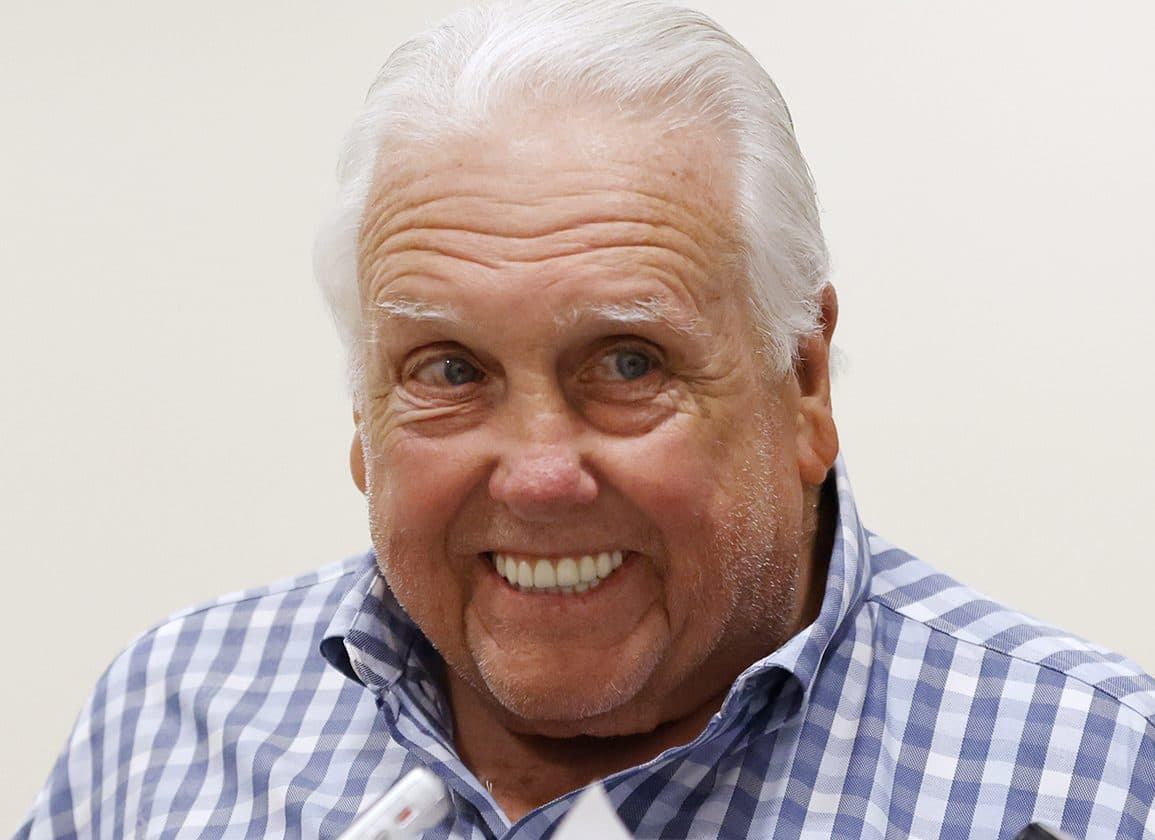
Bill Childs did not arrive in Thoroughbred racing by the usual shortcut. He came out of Quarter Horses, spent years getting pushed, taught and coaxed toward the other side of the sport by D. Wayne Lukas, and only later found the kind of ownership lane that can support a colt like Crude Velocity. Lukas spent years telling Childs he would eventually figure out how to make it work, and the timing of that mentor-apprentice arc feels sharper now that Lukas died on June 28, 2025 at 89.
A patient path to a Grade 1 colt
That long, unusual route matters because Crude Velocity is not the product of a single impulsive buy. Equibase lists the colt as foaled March 20, 2023, by Beau Liam out of Sweetnsour Kitty, by Lemon Drop Kid, and says he was most recently sold to Bill Childs out of the Omar Ramirez Bloodstock consignment. Childs and his son Alex, through CSLR Racing Partners and other allies, have built something broader than a one-horse gamble. The ownership base is now deep enough to keep producing opportunities, and that depth is the real story behind the horse’s rise.
The recent form backs it up. Childs’ group has had a productive stretch in 2025, with Iron Orchard, Midland Money, Pilot Commander, Silent Law and Cash Call all giving the operation a reputation for finding usable horses and developing them into better ones. Iron Orchard, owned through CSLR Racing Partners with Bill Childs, Alex Childs and Clayton Lamb, later won the Grade 1 Frizette Stakes at Aqueduct on October 4, 2025. That kind of résumé tells you this is no isolated flash. It is a stable and partnership structure that has learned how to keep moving up.
Why Crude Velocity has changed the conversation
Crude Velocity has done more than justify the purchase. He enters the Woody Stephens with a perfect 3-for-3 record and $522,820 in earnings, and he did it the hard way, by overcoming trouble in his debut and then building momentum from there. His signature win came in the Grade 2 Pat Day Mile, where he stopped the clock in stakes-record time of 1:33.87 and drew off by 3 3/4 lengths. For a colt still early in his career, that was the kind of performance that forces horsemen to ask bigger placement questions.
Bob Baffert said after that Pat Day Mile run that Crude Velocity was a “freaky horse” and that he was “very surprised” the colt could win first out after absorbing significant traffic trouble. Those are not throwaway words. They frame the colt as naturally talented enough to tempt ambitious placement, but still raw enough that the wrong move could dull the edge that has made him so dangerous. In a game where the temptation to chase prestige can outrun the horse underneath, Baffert’s restraint is part of the story.
Why the Preakness conversation stopped where it did
The Pat Day Mile naturally triggered talk of a Preakness route, especially because a colt that fast can lure people into thinking the calendar should accelerate along with the talent. Baffert, though, chose not to press him into the second jewel. The logic was straightforward: Crude Velocity had not yet raced around two turns, and he would have been going 1 3/16 miles for the first time off those big speed figures. That is the sort of stretch that can expose a horse before he has fully learned how to carry his speed.
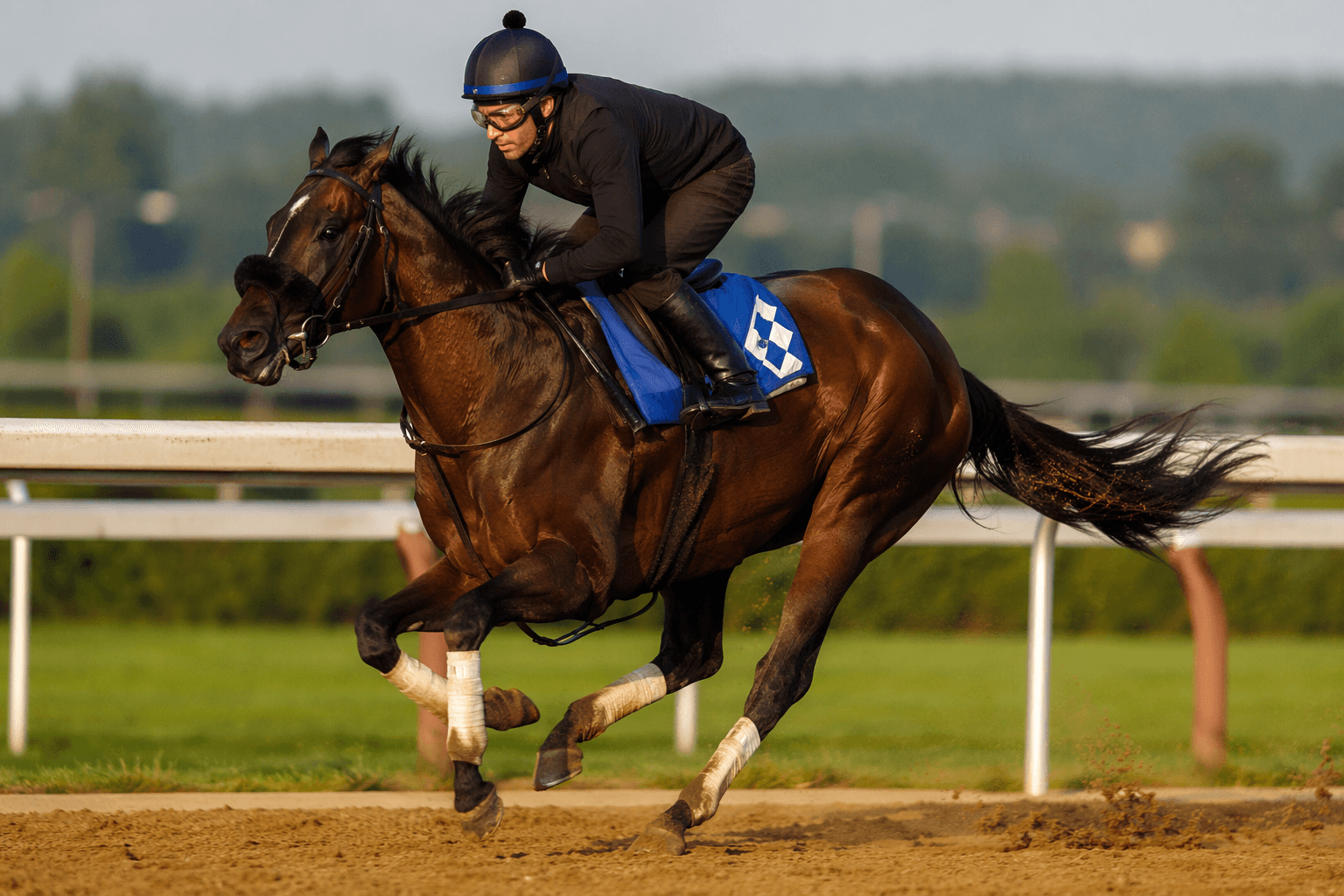
For campaign planning, that decision is as important as the stakes-record win itself. It says the stable is thinking in terms of development, not just headlines. The next realistic target was not a risky leap into a distance test, but a return to one-turn company in the Woody Stephens, where speed, position and tactical control matter more than the kind of stamina test that can change a young horse’s trajectory. If Crude Velocity handles Saratoga again, the connections will have a much clearer map for the rest of the summer.
What the Woody Stephens reveals about the horse and the stable
The Woody Stephens is the right measuring stick because it is demanding without asking Crude Velocity to do something he has not yet proved he can do. The 42nd running of the Grade 1, $500,000 race is set for Saturday, June 6, 2026 at Saratoga Race Course during the Belmont Stakes Racing Festival, and Crude Velocity will line up against eight rivals. A seven-furlong Grade 1 at Saratoga is not a soft landing, but it is a logical one for a colt whose best weapon is speed and whose connections have resisted the urge to overextend him.
That is where Childs’ ownership evolution becomes actionable for racing readers. The lesson is not just that patience can pay. It is that patience, paired with disciplined placement, can preserve upside. Childs has gone from a horseman learning the Thoroughbred business to a partner in a colt who can command elite sprint stakes at Saratoga. The stable’s next move will tell the rest of the market whether Crude Velocity is simply a brilliant one-turn horse for now or the kind of talent that can anchor a longer, more ambitious campaign later on.
The bigger picture for campaign ambitions
If Crude Velocity repeats or even runs strongly in the Woody Stephens, the conversation will shift again. He would remain an undefeated colt with a Grade 1-level profile, and his connections would have a clearer basis for deciding whether to stay on the one-turn path or begin mapping a larger summer and fall agenda. For now, though, the smart play is already visible: keep him where his speed is maximized, protect the horse’s foundation, and let the record keep building one well-chosen start at a time.
That is the real value of this horse and this ownership group. Bill Childs did not reach this point quickly, and that may be the reason he is in position to enjoy it now. Crude Velocity is the proof that in racing, the most durable success stories are often the ones that take the longest to assemble.
This article was produced by Prism’s automated news system from verified source data, official records, and press releases, then run through automated quality and moderation checks before publishing. The system is built and supervised by the people who set the standards it runs under. Read our full AI policy.
Did this article answer your question?