British racing traces equine flu case linked to Goffs Arkle Sale
A flu-positive horse from the Goffs Arkle Sale has already triggered withdrawals and PCR tests, with one shipment of eight other Thoroughbreds now under the microscope.

A confirmed equine influenza case linked to the Goffs Arkle Sale has already started to reshape race plans, with some runners withdrawn and others sent for targeted PCR testing before they can be cleared to race. The British Horseracing Authority has moved to ring-fence the risk around the horse and the sale shipment that brought it into Britain.
The positive case was a vaccinated Thoroughbred racehorse based in a yard near Bridgnorth in Shropshire. It arrived on 12 June from the Goffs Arkle Sale at Kildare Paddocks, travelled on the same lorry as eight other Thoroughbreds bought at the sale, and was initially in isolation before symptoms appeared late on Saturday evening and testing confirmed equine influenza. The BHA said no horses would be allowed to move to or from the yard or licensed premises until the wider risk had been cleared.
That is where the ripple effect starts for trainers trying to keep jump campaigns on schedule. The BHA said contact tracing identified other horses transported to Britain from the sale in the same shipment, while additional horses bought and received by trainers, pre-trainers and bloodstock agents were also pulled into the review. Very few yards were judged to be at heightened risk, and low-risk or no-risk locations were removed from concern, but the authority said the situation was being handled case by case.
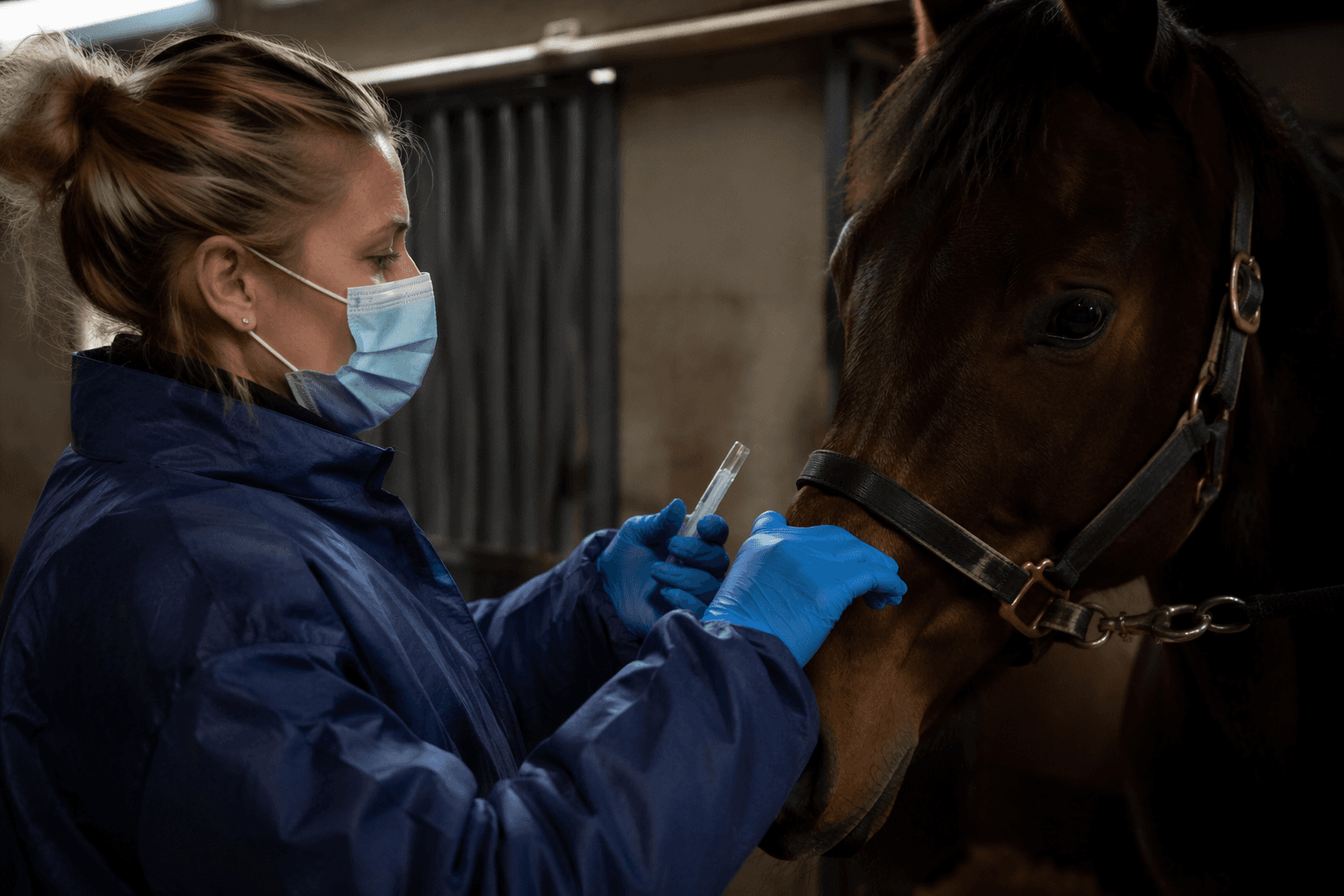
The practical fallout matters. Some runners were withdrawn as a precaution, while others were required to undergo PCR testing before they could line up. That kind of disruption can shift early-season targets quickly, especially for horses coming out of summer sales with autumn and winter campaigns in mind. The BHA said the approach was backed by its veterinary group and informed by Dr Richard Newton, with trainers told to isolate new arrivals for at least 14 days, keep vaccination up to date and watch for a temperature above 38.5C, a harsh cough, nasal discharge, lethargy or loss of appetite.
The scale of the Arkle Sale explains why the trace is so wide. Goffs described Part 1 as a record-breaking store sale, with 469 catalogued, 441 offered, 387 sold, turnover of €25,139,500, an average of €64,960, a median of €55,000 and a top lot of €275,000. Even one infected horse from that stream can touch multiple yards, and the BHA has already warned that the wider backdrop is not calm: in the weeks before this case, it had reported a rise in equine influenza in the non-thoroughbred population, including vaccinated horses.
This article was produced by Prism’s automated news system from verified source data, official records, and press releases, then run through automated quality and moderation checks before publishing. The system is built and supervised by the people who set the standards it runs under. Read our full AI policy.
Did this article answer your question?