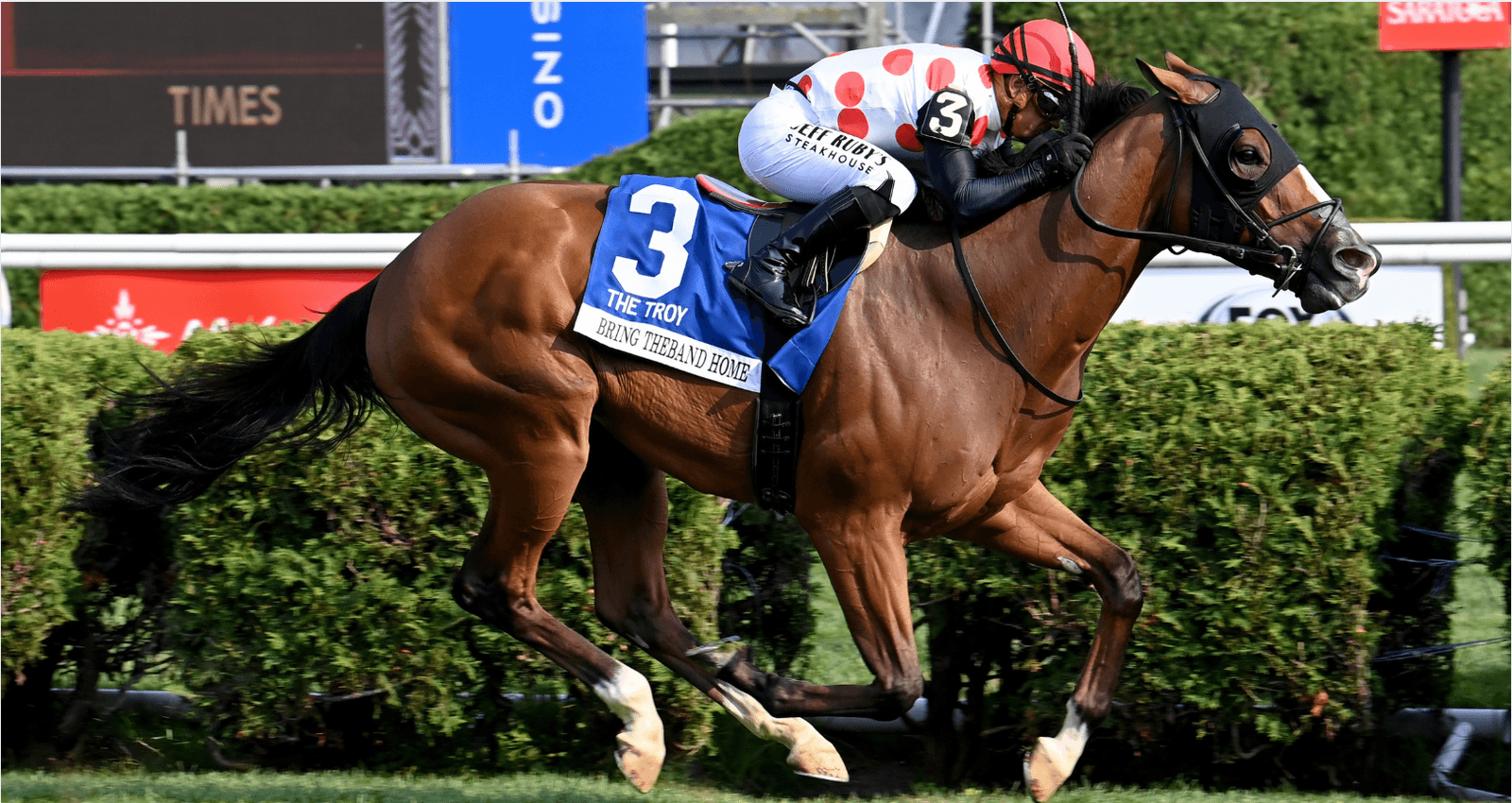
Cannoneer Bounces Back with Dominant 9-Length Win at Gulfstream Park
Brad Cox's deliberate distance pullback paid off with a 9¼-length blowout, but the Holy Bull context and optional claiming field raise real questions about what Cannoneer has actually proved.
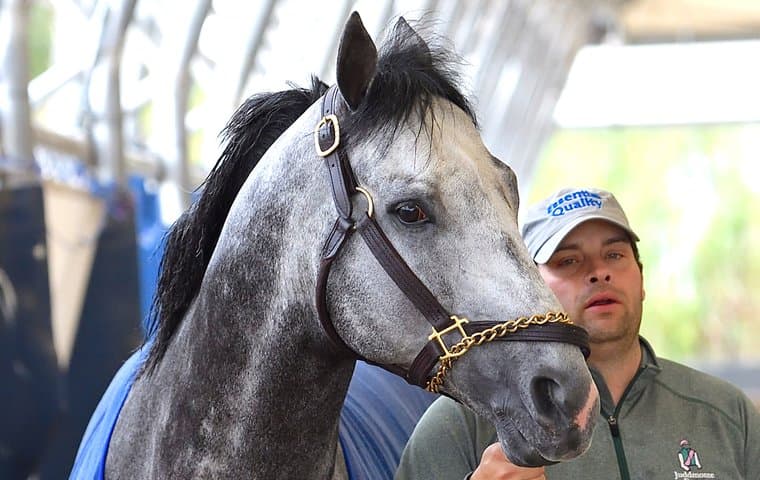
Nine and a quarter lengths is a number that demands context. Cannoneer delivered that margin Friday at Gulfstream Park, leading every step of a one-turn optional claiming mile in 1:36.23 under Edgard Zayas, and the result looked dominant on paper. Whether it constitutes a genuine form reversal after his fourth-place finish as the favorite in the January 31 Holy Bull (G3) is a more complicated question, and the answer lives in the fractions.
Zayas sent Cannoneer to the lead immediately, and the colt carved out splits of 24.03 and 46.11 while trading pressure with Lincoln's Law around the turn. Those are honest fractions for a one-turn mile: not a slow crawl that flatters a closer, and not a suicidal burn that invites collapse. The fact that Cannoneer absorbed that early pressure and then accelerated through the stretch to win by nearly 10 lengths confirms something real about his tactical profile. When the distance suits him, the margin is not a fluke.
Here is where the "perfect setup" argument earns its skepticism, though. Brad Cox, who trains the colt for St. Elias Stable and Stonestreet Stables, made an explicit decision after the Holy Bull to abandon two-turn experimentation. The Holy Bull is a two-turn route where pace pressure accumulates over a greater distance and the premium is on stamina. Cannoneer finished fourth in that context. An optional claiming field at Gulfstream, engineered specifically to restore confidence, is a different animal entirely.
That is not a criticism. It is actually the opposite. The ability to identify when a horse needs a form-restoring spot before pointing at graded stakes is precisely what separates elite trainers from the field. Cox does this consistently across his 3-year-old pipeline: he lets horses tell him what distance profile fits, then builds toward the Grade 1 target that matches.
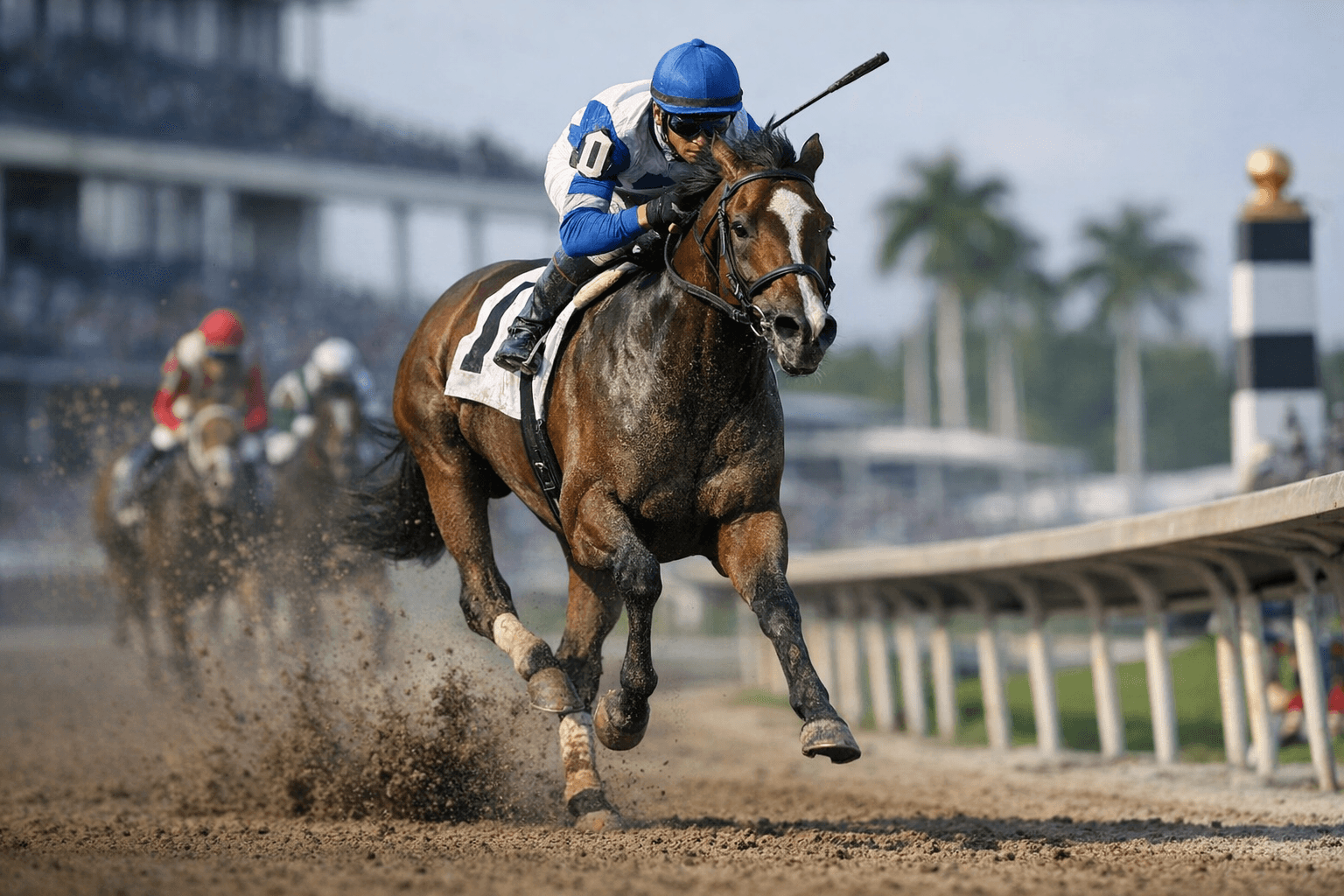
For Cannoneer, that target appears to be the Woody Stephens (G1) on the Belmont undercard, a seven-furlong one-turn race that suits his speed and tactical acceleration. Seven furlongs is actually shorter than the mile he just won, which sounds counterintuitive, but the framing is coherent: one-turn configuration, premium field, speed-first surface. Cox indicated the ownership group would discuss longer-term options, but the Woody Stephens was already on the radar as a summer target.
The critical unknown is whether Cannoneer can replicate Friday's stretch kick against horses actually trained for a seven-furlong graded test, not optional claimers at uneven stages of development. Bettors should track the pace scenario in his next start above all else. If he draws into genuine early pressure comparable to what Lincoln's Law applied on Friday, his ability to absorb it and accelerate was confirmed at 24.03 and 46.11. If he gets a soft, uncontested lead, the margin will be large and the performance will be difficult to evaluate.
The Holy Bull showed what happens when the distance profile is wrong. Friday showed what happens when it is right. The Woody Stephens will finally answer which version of Cannoneer is the real one.
This article was produced by Prism’s automated news system from verified source data, official records, and press releases, then run through automated quality and moderation checks before publishing. The system is built and supervised by the people who set the standards it runs under. Read our full AI policy.
Did this article answer your question?