CFTC Chair Selig Files Amicus Brief Asserting Federal Authority Over Horse-Racing Wagering
CFTC chair Michael Selig filed an amicus brief asserting exclusive federal authority over prediction markets, a step that could reshape regulation of horse-racing wagering and other state‑level betting markets.
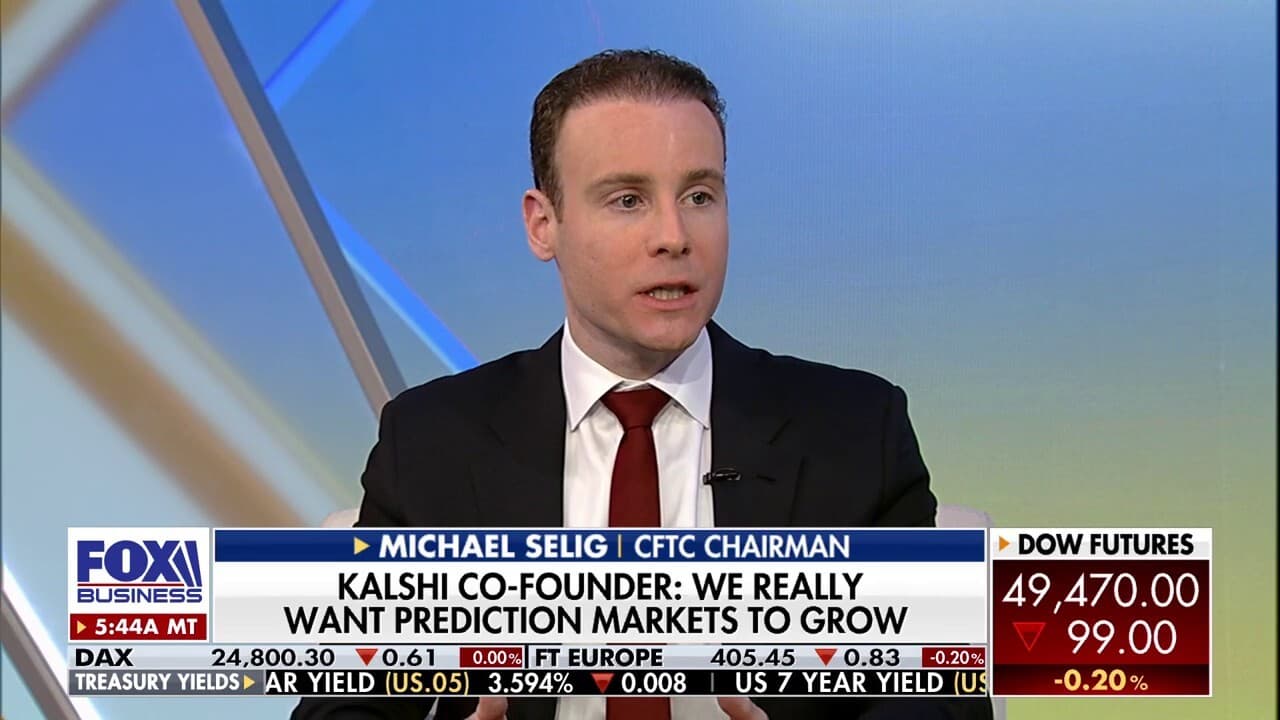
Michael Selig escalated a federal‑vs‑state fight over prediction markets by filing an amicus brief asserting the Commodity Futures Trading Commission’s exclusive authority to regulate event‑contract markets, a move that the agency says has immediate implications for horse‑racing wagering, sports betting and adjacent event‑based markets.
On Tuesday Selig posted a video to X announcing the filing and saying, “Today, the CFTC is taking an important step to ensure that these markets have a place here in America.” Selig warned challengers directly, saying in the video, “To those who seek to challenge our authority in this space, let me be clear - we will see you in court.” He has also written that the CFTC “has always had authority over prediction markets” and will not let states “undermine the agency’s exclusive jurisdiction.”
The filing was submitted as part of a case that has reached the U.S. Court of Appeals for the 9th Circuit and accompanies other recent litigation in state courts. Selig told audiences the agency is confronting “nearly 50 active legal cases” against prediction‑market platforms, and the brief is aimed at stopping what he described as an onslaught of state‑led suits that seek to treat event contracts as illegal sports betting.
Platforms named in ongoing legal fights include Kalshi and Polymarket, while the CFTC also filed in support of Crypto.com in a dispute with Nevada regulators. States have pursued suits alleging prediction markets are unlawful sports‑betting operations, and industry leaders warn that a state patchwork of prohibitions would reshape how event contracts are offered across markets tied to sports, entertainment and weather.
Industry reaction split along predictable lines. The Coalition for Prediction Markets praised the filing, saying, “We agree with Chairman Selig - the CFTC has regulated these markets for decades, and they are best equipped to ensure market integrity.” By contrast, Adam Greenblatt, CEO of BetMGM, told reporters prediction markets should not be allowed to provide sports event contracts outside state licensing, arguing, “They pay no state taxes, there are no consumer protections, there are no penalties for underage play.”

Selig’s intervention follows a flurry of regulatory moves this month. On Feb. 4 he withdrew a proposed CFTC rule from the prior administration that would have prohibited sports and political event contracts, and in January he signaled the agency would draft new rules governing event contracts. That posture marks a shift from comments Selig made before his confirmation that he would defer to the courts; two months after Senate confirmation he is now actively defending federal jurisdiction.
Questions about enforcement capacity shadow the legal strategy. The CFTC has seen a roughly 21.5 percent reduction in full‑time staff since the end of fiscal year 2024 and reports indicate the Chicago office lost enforcement attorneys once concentrated there, raising questions about how aggressively the agency can police event markets even as it asserts authority.
Political pushback arrived quickly. A group of 23 Democratic senators, led by Nevada’s Catherine Cortez Masto, sent a letter urging the CFTC to abstain from intervening in pending litigation tied to sports and other prohibited events, and Rep. Ro Khanna warned of the “gamification of every aspect of human existence.” Republican Utah Gov. Spencer Cox vowed to fight the federal government in court while criticizing the markets.
The immediate regulatory tug‑of‑war matters to horse owners, racetracks and state treasuries because the outcome will affect how wagers are offered, licensed and taxed. Nearly 50 active cases are now in play; share this story and comment below if you think the CFTC or state gaming regulators should decide who controls horse‑racing wagering and other event‑based markets.
This article was produced by Prism’s automated news system from verified source data, official records, and press releases, then run through automated quality and moderation checks before publishing. The system is built and supervised by the people who set the standards it runs under. Read our full AI policy.
Did this article answer your question?