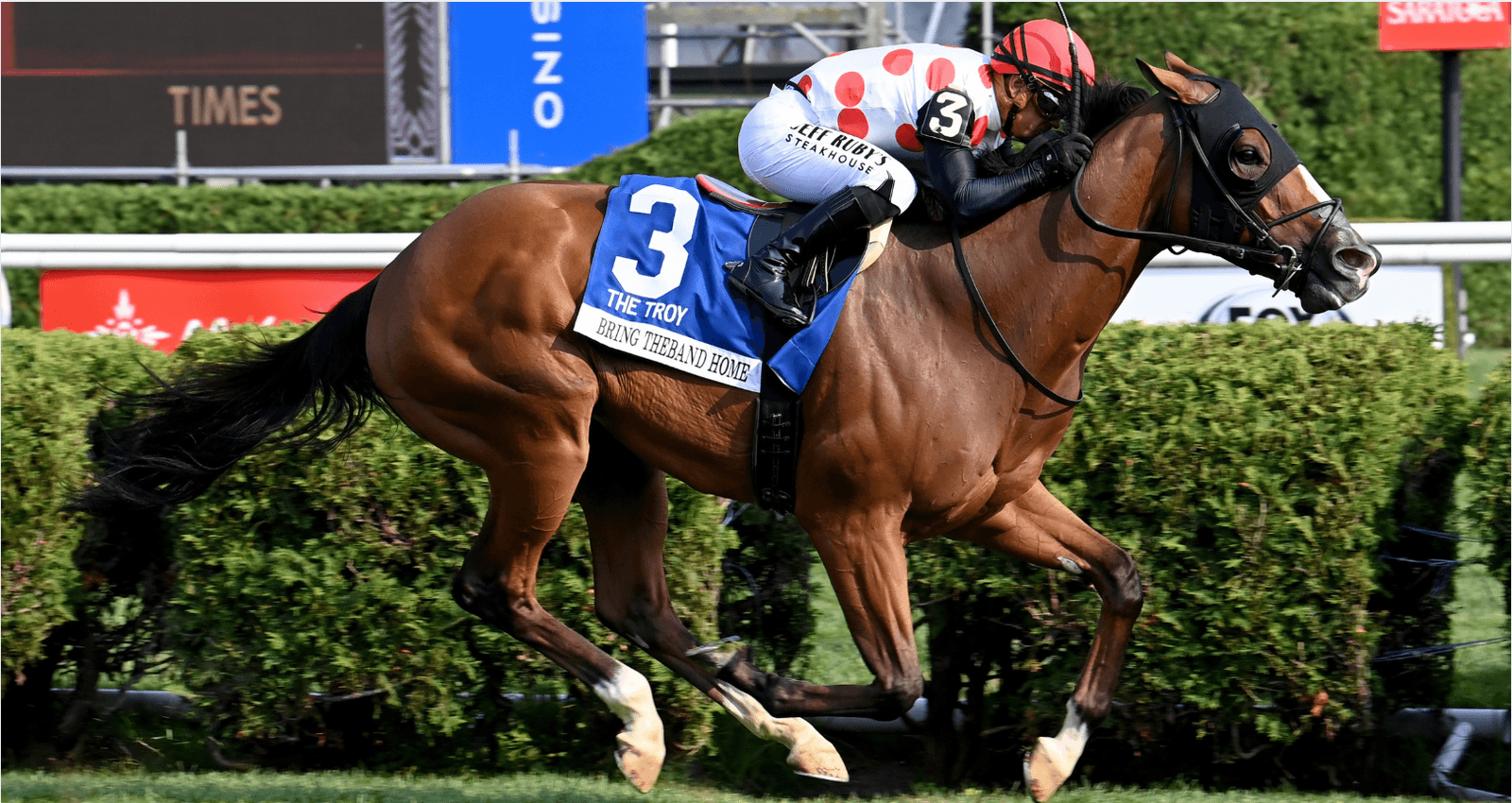
Chad Summers’ Preakness win crowns years of perseverance
Chad Summers turned a pandemic-era doubt into a Preakness breakthrough as Napoleon Solo outran the favorite and delivered his first Triple Crown win.
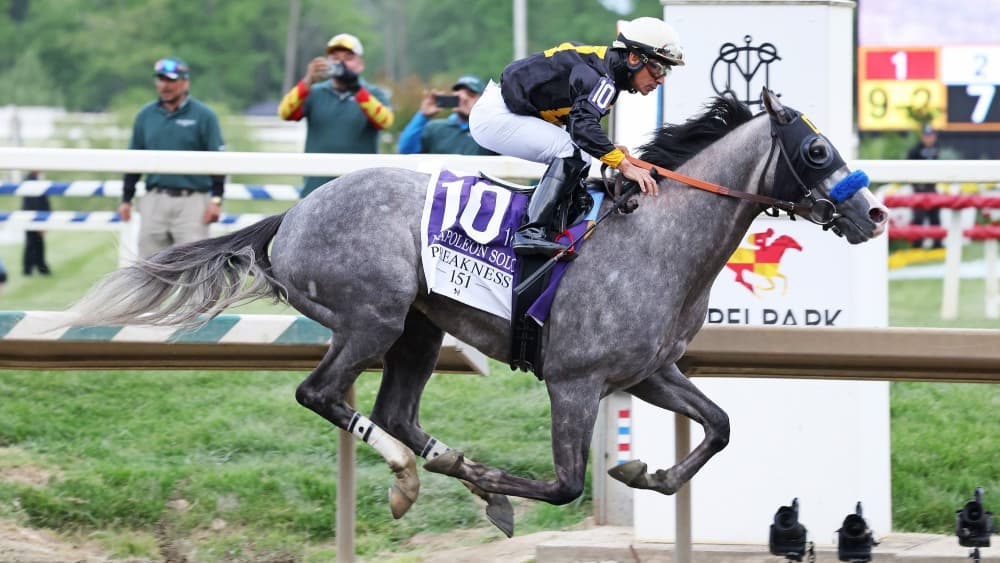
Chad Summers did not just win the Preakness Stakes. He reached a finish line that had been years in the making, one that runs through a pandemic low point, a shrinking barn and a career path that once looked ready to veer away from the shedrow.
Napoleon Solo gave Summers that moment at Laurel Park on Saturday, May 16, 2026, taking command in the homestretch and holding off favored Iron Honor by 1 1/4 lengths in 1:58.69. The 151st Preakness was run at Laurel because of construction at Pimlico Race Course, and the victory came in a 14-horse field, the largest Preakness lineup in 15 years. Napoleon Solo earned $1.2 million, and the colt was listed at 10-1 on the official Preakness site, though some live coverage had him at 7-1.

The chart tells the rest of the race in sharp detail. Napoleon Solo broke slightly outward, settled in behind Taj Mahal, then moved to the lead near the five-sixteenths pole and kept finding late. Taj Mahal set the pace before fading to 10th, while Iron Honor finished second after being unable to reel in the winner. For Paco Lopez, the ride delivered his first victory in a Classic race and his first Triple Crown success.
For Summers, the result carried a heavier load than the purse and the trophy. During the COVID-19 pandemic, he questioned whether he would stay in training at all. The Preakness win rewrote that doubt into something sturdier: proof that a career built on patience, reinvention and a willingness to stay in the game can still pay off when the right horse shows up.

That horse came from a trainer who grew up inside racing. Summers watched the Triple Crown with his father and brother, went to Breakfast at Belmont, and once imagined himself entering the sport as a writer instead of a conditioner. His first career win came in 2017 when Mind Your Biscuits won the Dubai Golden Shaheen, and that horse went on to win the race again in 2018 and earn $4,279,566, making him the richest New York-bred in history.
The road after that got harder. The barn got smaller, the easy momentum disappeared, and Summers had to keep building from a lower rung than the one he had once occupied. That is why Napoleon Solo’s Preakness mattered so much. The colt had finished fifth in both the Fountain of Youth and the Wood Memorial earlier this year, then came back to deliver the biggest win of Summers’ career.

The morning after the race still felt unreal, with Napoleon Solo bright and demanding attention at the front of his stall. That is what classic wins do when they are earned the hard way: they do not just add a line to the record book, they redeem everything that came before them.
This article was produced by Prism’s automated news system from verified source data, official records, and press releases, then run through automated quality and moderation checks before publishing. The system is built and supervised by the people who set the standards it runs under. Read our full AI policy.
Did this article answer your question?