Dresden Row Tops Fasig‑Tipton January Digital Sale; Gross $4.51M
Dresden Row sold for $575,000 to top Fasig-Tipton’s January digital sale, which grossed $4.514 million on 160 horses, highlighting strong midwinter demand for proven runners.

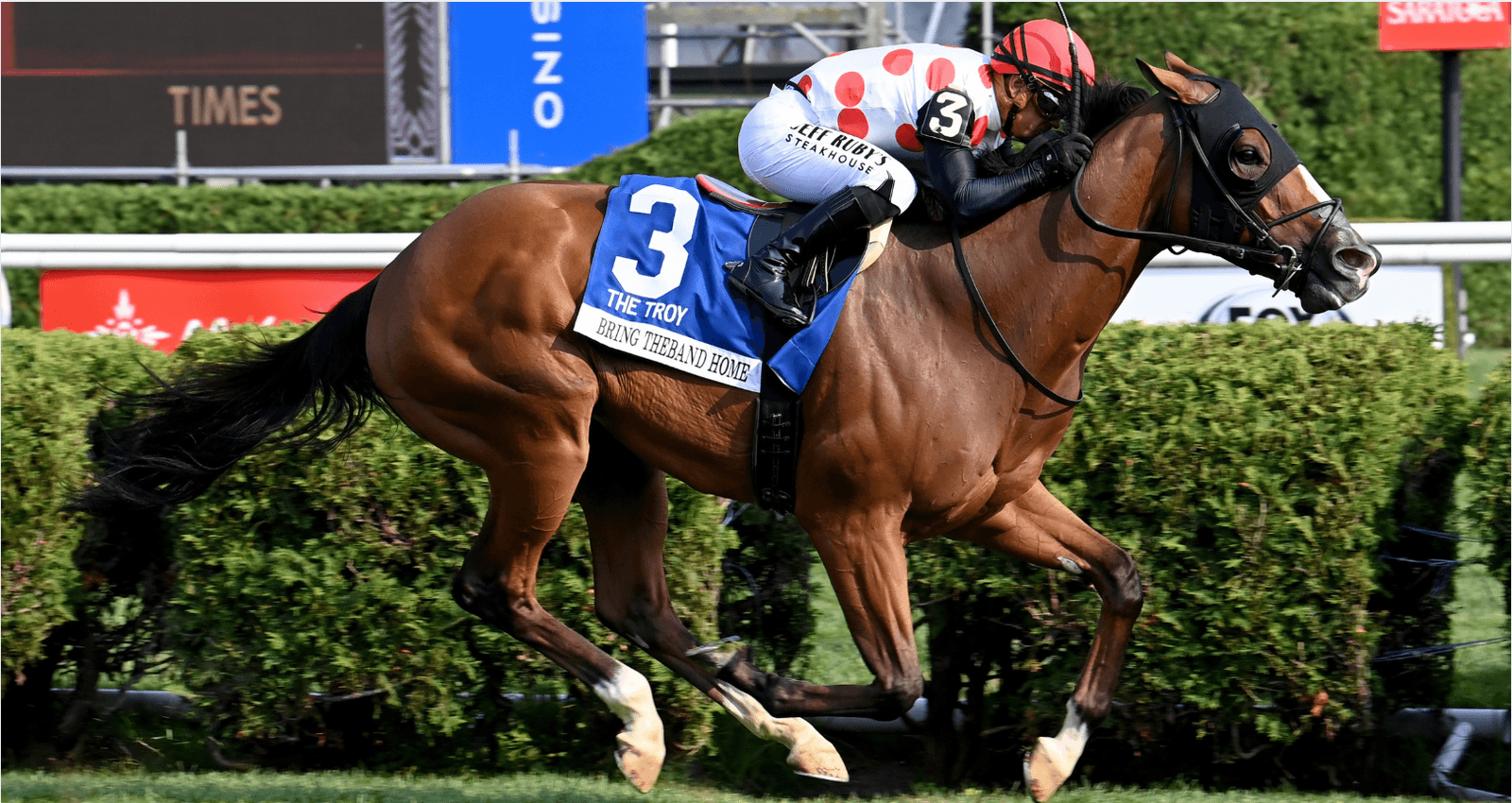
Dresden Row, a five-year-old son of Lord Nelson and Canada’s 2024 Sovereign Award champion 3-year-old male, led Fasig-Tipton’s January Digital Sale when MWG LLC paid $575,000 for the consistent gelding consigned by Jeffrey Bloom, agent. The result capped a sale that grossed $4,514,500 with 160 horses sold, a figure Fasig-Tipton said was up substantially year-over-year and underscored by more than 1,000 registered bidders and 22 offerings bringing $50,000 or more.
On the racetrack, Dresden Row brings measurable credentials. He won the GIII Autumn Stakes at Woodbine in November and has finished in the money in all 15 lifetime starts, compiling career earnings of $448,803. That record of reliability and graded stakes form helps explain the premium paid relative to his on-track earnings, as buyers prize horses that can perform immediately at stakes and handicap levels.
The sale result carries several business implications for owners, trainers, and pinhookers. Purchasers like MWG LLC are signaling appetite for proven older performers who can bolster stable inventories for stakes campaigns or provide resale value. Consignors such as Jeffrey Bloom benefit when durability and graded wins translate into strong bidding, particularly in a digital format that drew a broad bidder base. The presence of 22 lots at $50,000 or more indicates depth beyond a single marquee horse, not just headline activity.
From an industry-trend perspective, Fasig-Tipton’s January digital model is proving resilient. The strong turnout and higher grosses suggest that online platforms are increasingly effective at connecting buyers across borders and time zones, expanding the pool beyond traditional ring bidders. For racetracks and trainers, that means more movement of race-ready stock in the off-season and potential reshaping of winter and spring fields as new owners place purchased horses in targeted spots.
Culturally, the sale reinforces how thoroughbred ownership is evolving. Digital accessibility widens participation for syndicates and smaller partnerships while maintaining interest from established owners who prize consistency and stakes form. For racing fans, the transaction around Dresden Row is a reminder that the midwinter market can produce meaningful transfers that affect coming stakes lineups.
Looking forward, Dresden Row’s new connections will determine whether he resumes a racing campaign or is redirected toward breeding or private plans. The broader takeaway is clear: proven performance remains currency, and digital auctions are now central to how buyers and sellers trade that currency. Expect buyers to pursue similarly durable, graded-caliber horses as the sport moves into spring stakes season.
This article was produced by Prism’s automated news system from verified source data, official records, and press releases, then run through automated quality and moderation checks before publishing. The system is built and supervised by the people who set the standards it runs under. Read our full AI policy.
Did this article answer your question?