Epiphaneia rises as Japan's breeding powers reshape sire rankings
Epiphaneia went from a three-year G1 drought to four top-level wins in six months, and his fee jumped from 2.5 million to 15 million yen. Japan's sire map is changing fast.
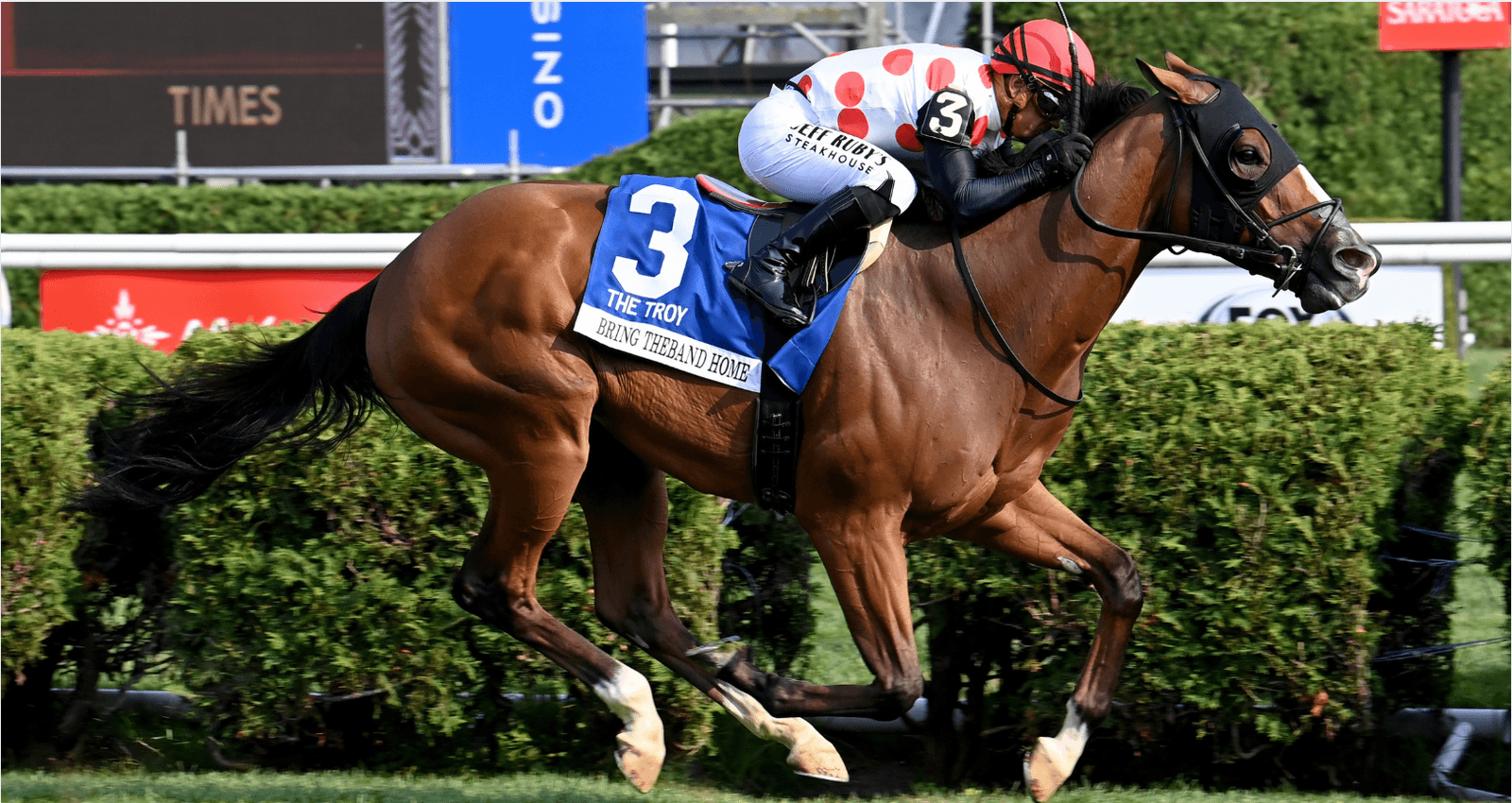
Four G1 wins in the first half of 2024 changed Epiphaneia’s standing almost overnight, and they also changed the way Japanese horsemen talk about him. After a three-year drought that stretched back to the 2021 Arima Kinen, his runners suddenly hit with Stellenbosch in the Oka Sho, Ten Happy Rose in the Victoria Mile, Danon Decile in the Japanese Derby and Blow the Horn in the Takarazuka Kinen. The result was not just a hot streak. It was a clear signal that trainers had begun placing his progeny with a better feel for what they do best.
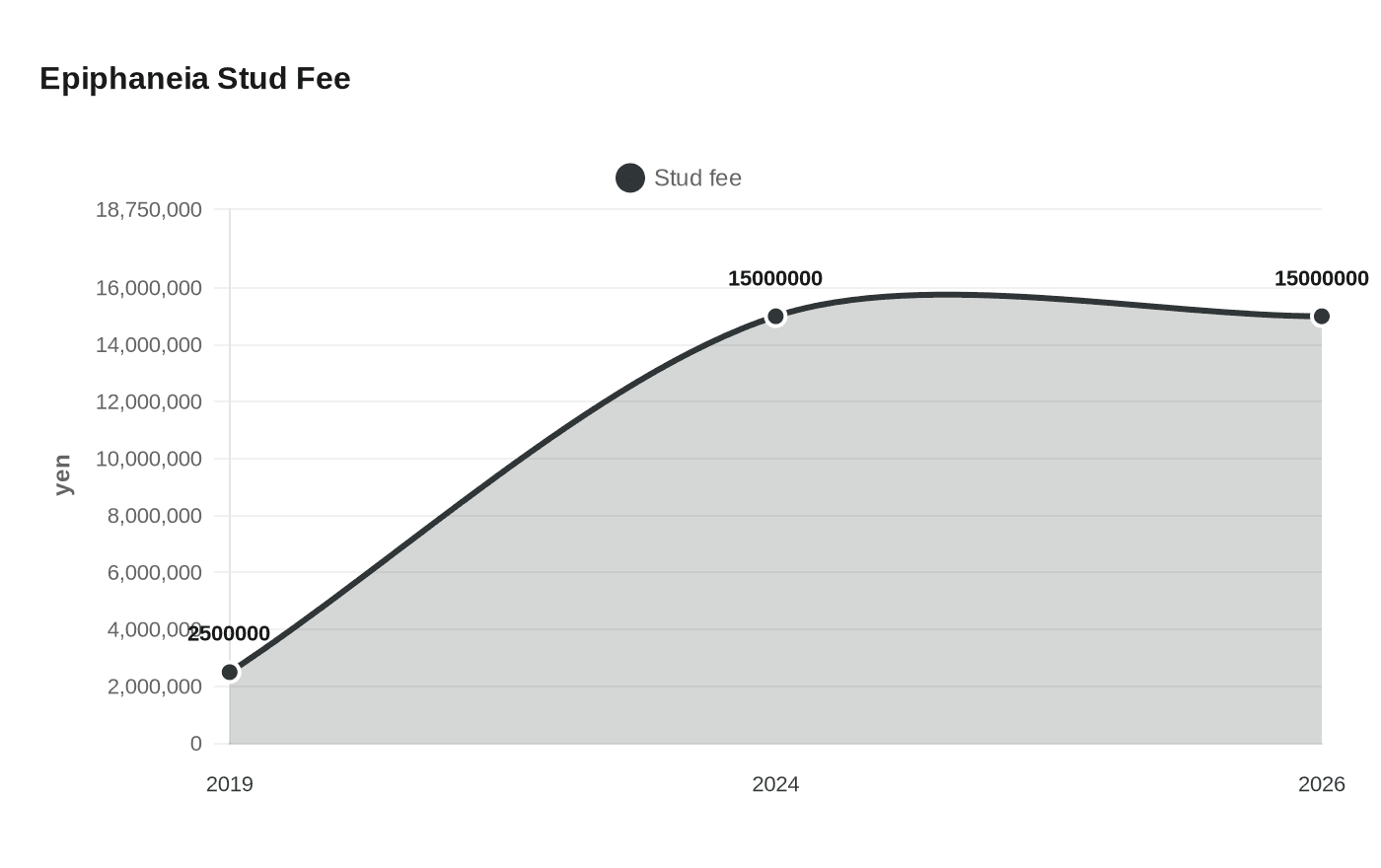
That matters because Epiphaneia has moved from promising stallion to major force in Japan’s breeding pecking order. Japan Racing Association statistics ranked him third among all sires in the country in 2024 by earnings at 3,365,453,000 yen. His listed stud fee, which was 2,500,000 yen in 2019, climbed to 15,000,000 yen in 2024 and stayed there for 2026 at Shadai Stallion Station. That kind of jump usually follows sustained success, but in this case the market was reacting to a sudden change in results and to the way those results were being produced.
The roll call matters too. JBIS records list Efforia, Daring Tact, Danon Decile, Blow the Horn, Circle of Life, Ten Happy Rose, Stellenbosch and Byzantine Dream among his best progeny, giving Epiphaneia winners across age groups and distances. That spread has helped reshape the perception of his stock from a narrow type to a more adaptable one, especially as trainers and owners have learned to match individual horses to the right targets rather than forcing a single template on the line.
The broader context explains why this shift is being watched so closely. The Japan Cup, launched in 1981, helped push the industry toward faster, stronger horses built to compete globally. JRA says Japan had 759 thoroughbred broodmare farms in 2024, with 643 in Hidaka, Hokkaido, a reminder that the breeding base is wide but still heavily concentrated in the country’s northern horse country. Northern Farm, part of the Shadai Group, says its approach centers on individual horse management and technical improvement, and that emphasis is increasingly visible in how top stalls are producing runners for the world stage.
The old hierarchy has not vanished. Deep Impact was Japan’s leading sire from 2012 through 2022, and Kitasan Black still ranked 10th on the 2024 earnings list. But Epiphaneia’s rise shows that Japanese breeding is no longer measured by pedigree alone. It is being rewritten by how well horsemen place the right horse in the right spot, and that has turned a stallion once seen as a specialist into one of the country’s defining sire stories.
This article was produced by Prism’s automated news system from verified source data, official records, and press releases, then run through automated quality and moderation checks before publishing. The system is built and supervised by the people who set the standards it runs under. Read our full AI policy.
Did this article answer your question?