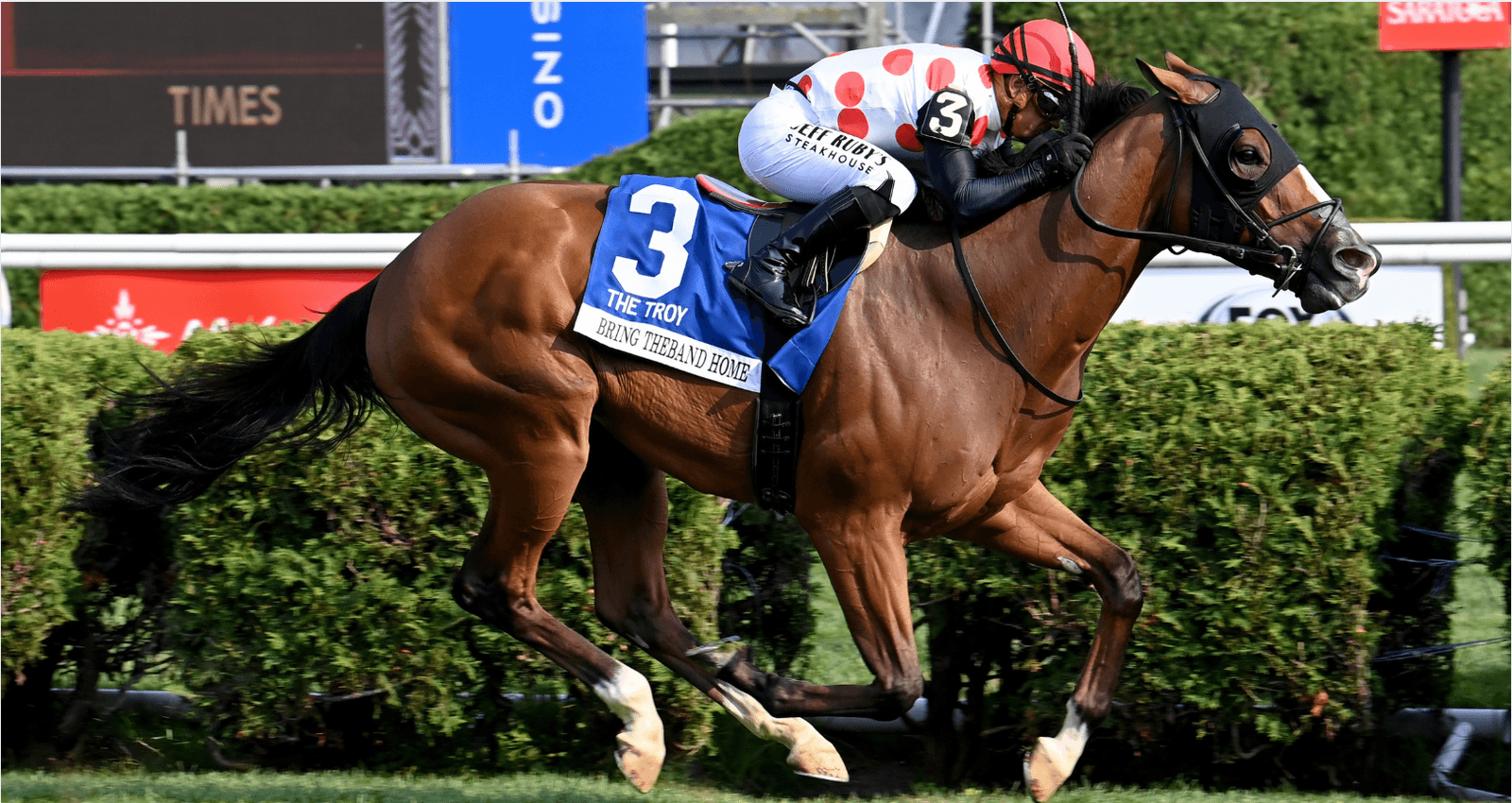
Equibase Adds Gate-to-Wire Timing to Official Result Charts
Equibase added gate-to-wire timing to all official charts, closing a gap that hid up to a sixteenth of a mile of unmeasured race travel from every handicapper's clock.
Kyle McDoniel closed one of handicapping's most persistent blind spots. Equibase, the Thoroughbred industry's official database for racing information, added gate-to-wire timing to all result charts, giving horseplayers an alternate final time that captures the full distance a horse actually travels from the moment the starting gate opens.
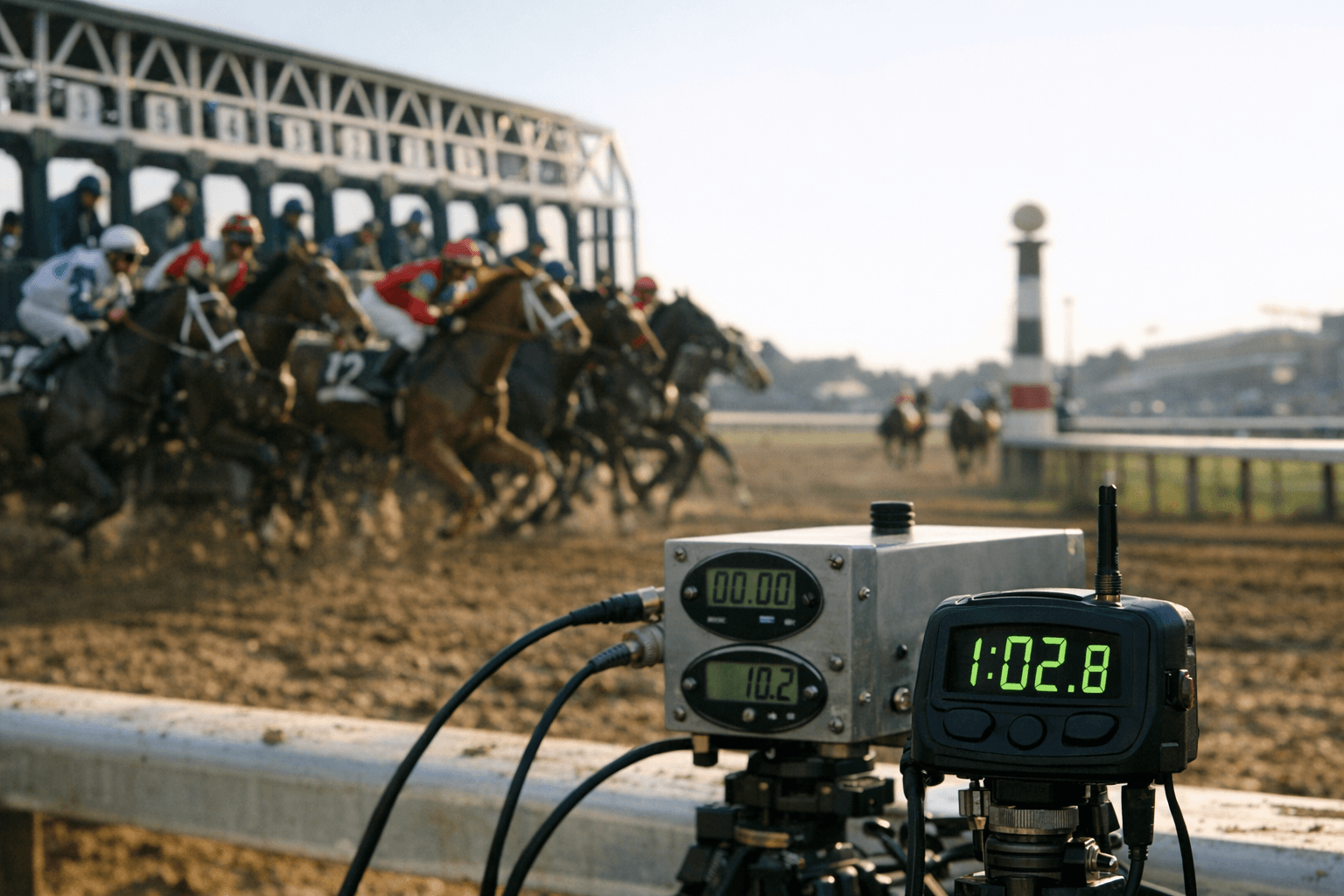
The change addresses a structural quirk baked into every chart time ever published: official clocking begins not when the gates spring, but at a fixed timing point set beyond the gate. The gap between those two moments, called the run-up, is the untimed extra distance horses travel before the clock starts. Depending on gate placement, temporary rail positions, and track configuration, that run-up can stretch to a sixteenth of a mile or more, ground a horse covers at or near top speed and entirely off the official record.
Gate-to-wire time now appears on Equibase charts next to the existing fractional and final times, so handicappers have both measures in one place for every race. McDoniel, the company's president and COO, explained the sourcing: chart-calling teams capture the data at most tracks, with GPS systems filling in at venues equipped to produce it.
"We decided to include the gate-to-wire times in our charts to provide a more accurate indication of the time a horse travels over the true distance of the race," McDoniel said. "Equibase collects the gate-to-wire times from our chartcalling teams and also through our GPS systems at tracks that utilize that technology, so we thought it would be good to provide this additional information to the public."
The practical difference shows up most clearly in two contrasting scenarios. Consider a wire-to-wire winner at a track with a short run-up: the official final time closely approximates true race time, the gate-to-wire adds minimal distance, and the chart time holds up cleanly for figure work. Now flip the scenario to a horse that dueled hard from a gate set well back from the timing wire. That horse burned meaningful energy before the first official fraction ever ticked; the official splits look clean, but the gate-to-wire total exposes the full workload that preceded them. The dueling horse's effort is routinely underrated by official time alone, while the wire-to-wire winner's true pace capacity is understated when the run-up is long. Gate-to-wire gives figure makers a cleaner read on both.
Cross-track comparisons stand to benefit most. Two horses that both ran six furlongs in 1:10.2 at different venues could have covered materially different total distances if their run-ups diverged by a sixteenth of a mile. Equibase's new field provides a common denominator that the official chart never offered, reducing one of the hidden variables that has made cross-track pace analysis unreliable.
Distribution to data customers will follow the immediate rollout on Equibase's chart platform, eventually extending the new timing field into commercial handicapping products and databases. Speed figure services that factor run-up adjustments into their methodology will have an official sourced figure to anchor their work rather than relying on track-supplied estimates that have not always been consistently reported industry-wide.
This article was produced by Prism’s automated news system from verified source data, official records, and press releases, then run through automated quality and moderation checks before publishing. The system is built and supervised by the people who set the standards it runs under. Read our full AI policy.
Did this article answer your question?