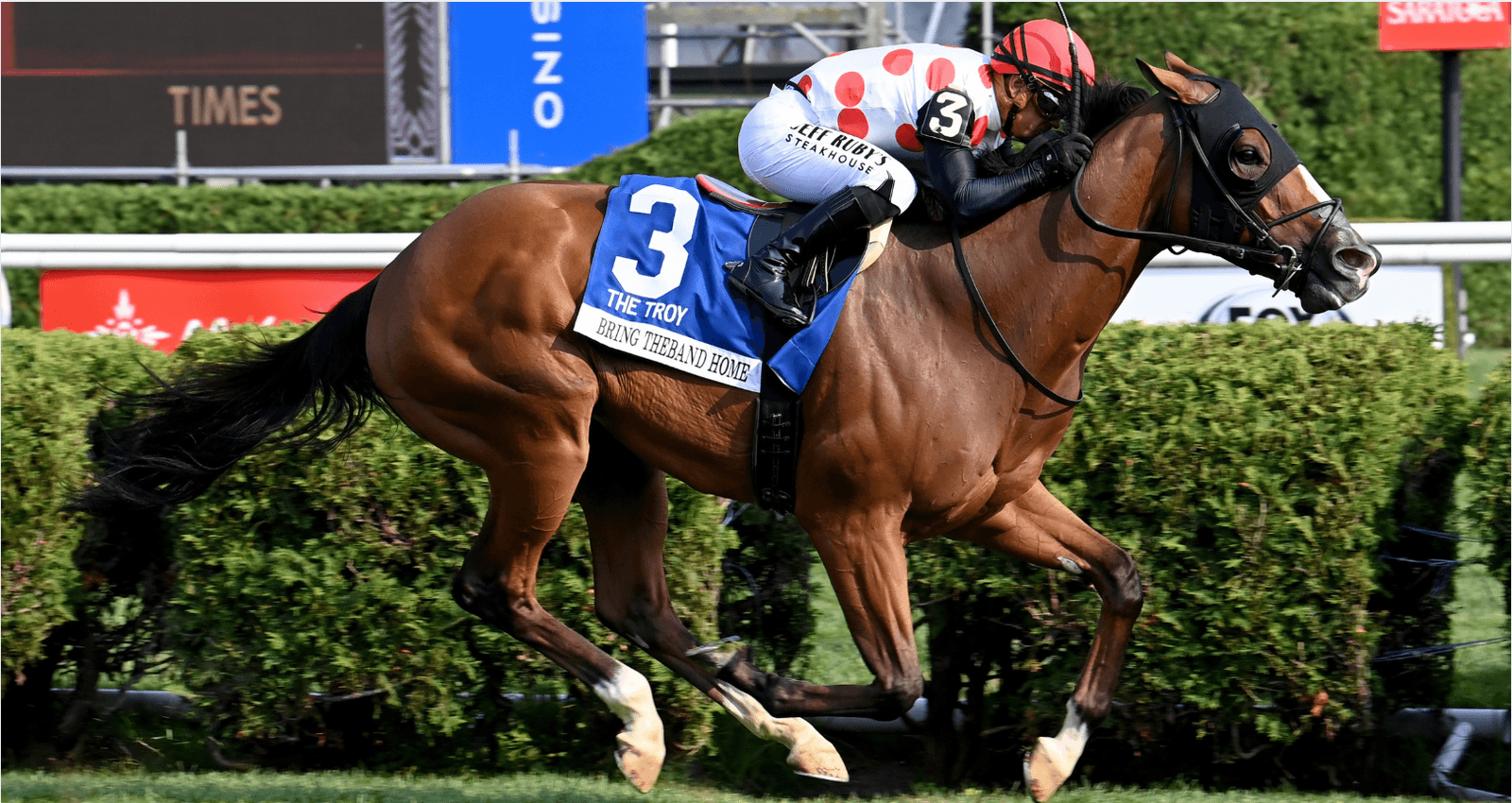
Fasig-Tipton sale sets records after untimed workout format change
Fasig-Tipton's untimed under-tack gamble still produced $52.9 million, a $2.1 million topper and a record median of $70,000.
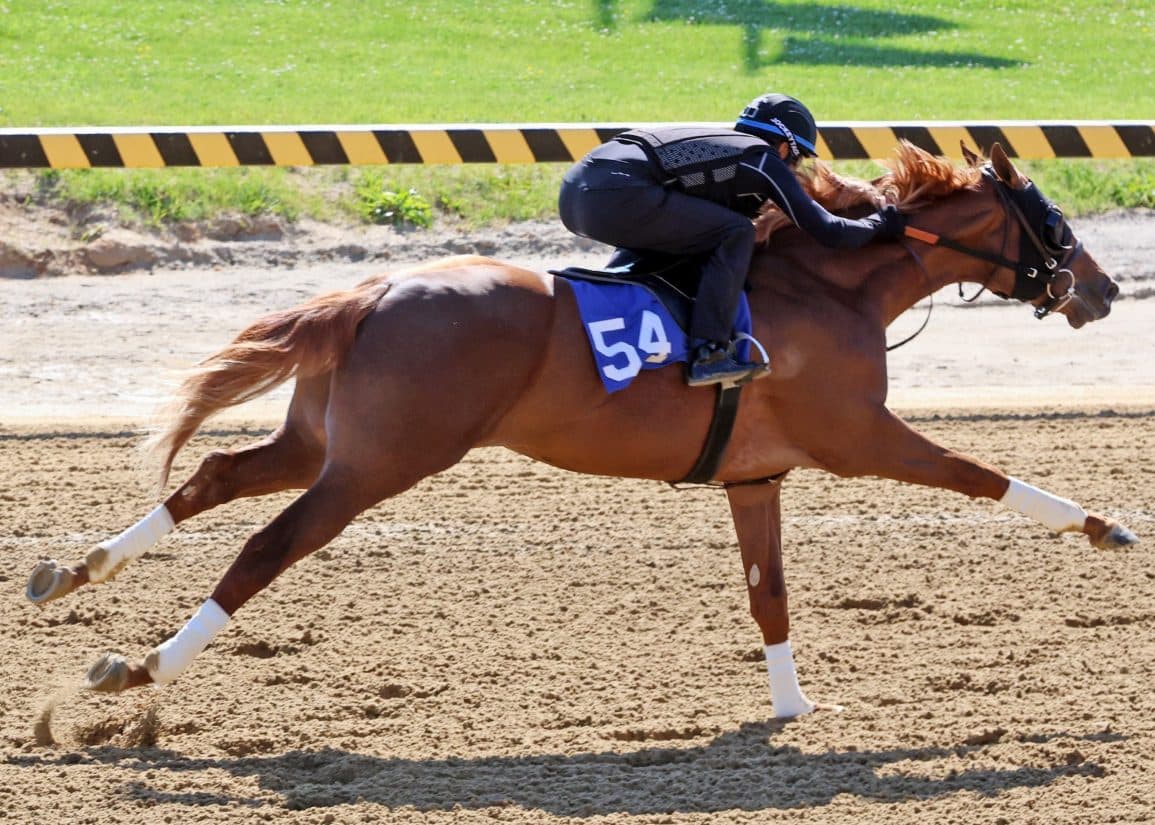
The market passed its stress test. Fasig-Tipton stripped out timed workouts, switched to an untimed under-tack format with restricted whip use, and still came away from Timonium with record gross, average and median numbers that suggest buyers never lost faith in the product.
The 2026 Midlantic May 2-Year-Olds in Training Sale, held May 18-19 at the Maryland State Fairgrounds, sent 384 horses through the ring or into private sale for $52,875,500. That was up 19.3% from 2025’s single-session sale, with the average rising to $137,697 and the median climbing to $70,000. The RNA rate dropped to 16%, and 73 horses failed to meet reserve, a sign that the market absorbed the format change more comfortably than many expected.

That matters because this was not a one-day spike built on one flashy horse. The catalog held 593 entries, the under-tack show ran May 12-13, and the sale produced traffic at the top and through the middle. A Flightline colt out of Breeders’ Cup Filly & Mare Sprint winner Bar of Gold brought $2.1 million from Pedro Lanz, acting for KAS Stables, on opening day. On Day 2, a Gun Runner filly bred by Chester and Mary Broman sold to Lanz for KAS Stables for $1.375 million. A Corniche colt topped the final session, finishing a sale that produced multiple million-dollar juveniles and marked the second straight year the Midlantic May auction delivered a seven-figure headliner.

The biggest takeaway is not just that the best horses sold, but that buyers kept paying after losing the stopwatch. For pinhookers, that is the real read on liquidity: the market did not punish the new setup, it rewarded quality. Case Clay Thoroughbred Management led buyers with 12 horses for $5,545,000, while Randy Miles led consignors with 23 sold for $5,032,000, further proof that the sharp end of the marketplace remained active and competitive.

That outcome also gives extra weight to the pre-sale debate. Clovis Crane backed the welfare-driven changes as a necessary adjustment, while Ciaran Dunne questioned how well reserve-setting would work without timed performances. Becky Thomas expected strong pedigrees to hold their value, and the sale backed that view. Boyd Browning Jr. called the result a success across the board, and the numbers say the same thing more bluntly: the juvenile market is still healthy, and heading into the next major sales, buyers are still willing to bet on the right horse, even without the clock.
This article was produced by Prism’s automated news system from verified source data, official records, and press releases, then run through automated quality and moderation checks before publishing. The system is built and supervised by the people who set the standards it runs under. Read our full AI policy.
Did this article answer your question?