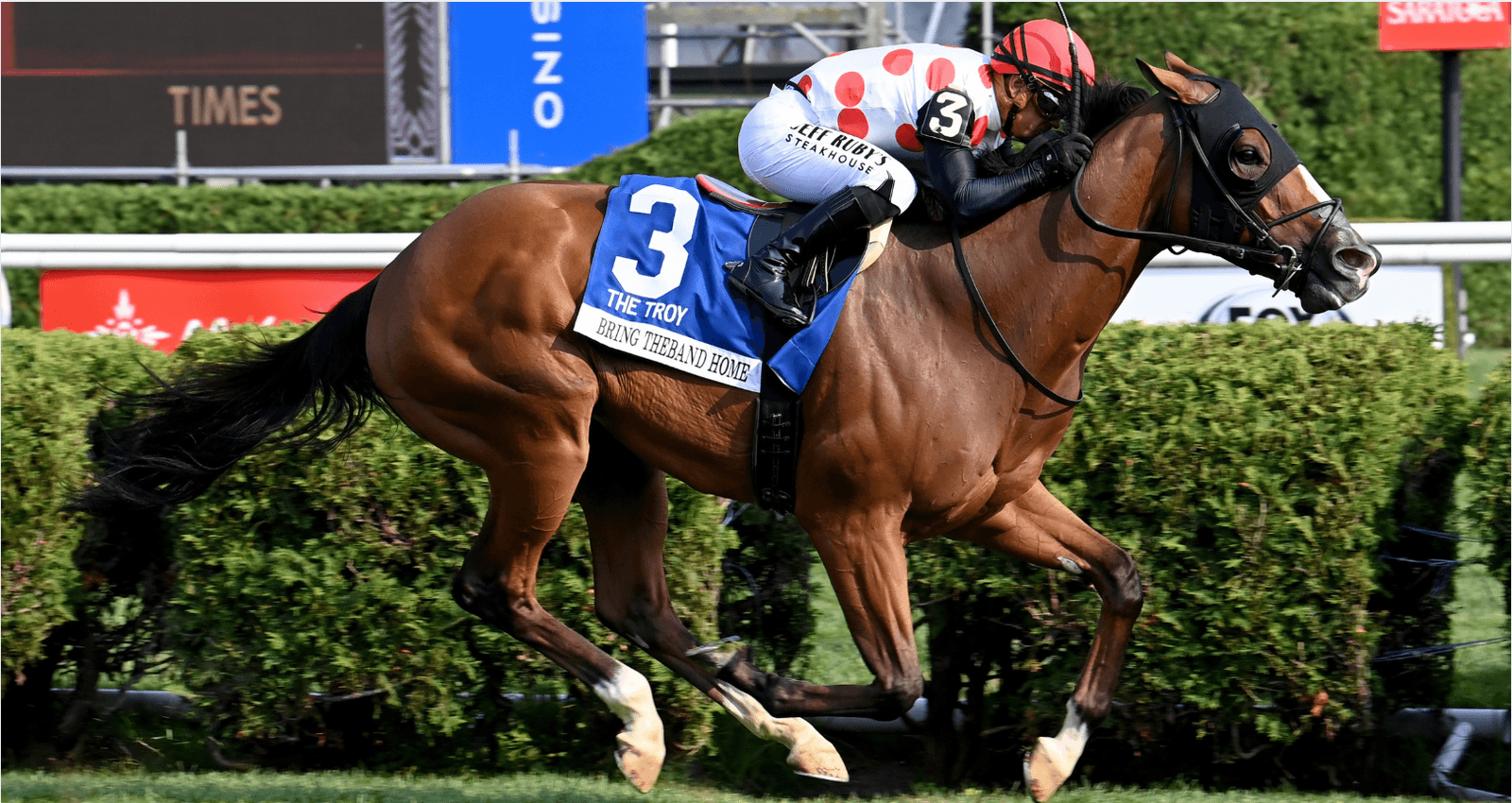
Florida Legislature Adjourns Without Passing Decoupling Bill, FTBOA Celebrates
Florida's Senate let SB1564 die without a hearing, handing Thoroughbred advocates their second straight legislative victory over Gulfstream Park's decoupling push.
For the second consecutive year, Florida's Thoroughbred racing industry walked away from the state capitol with its most important protection intact. The Florida Legislature's 2026 regular session concluded March 13 without the Senate taking up SB1564, the companion bill to House-passed HB881 that would have allowed Gulfstream Park to retain its slots license while ending its obligation to run live Thoroughbred racing. The Senate never scheduled a hearing for the bill, and it died with adjournment.
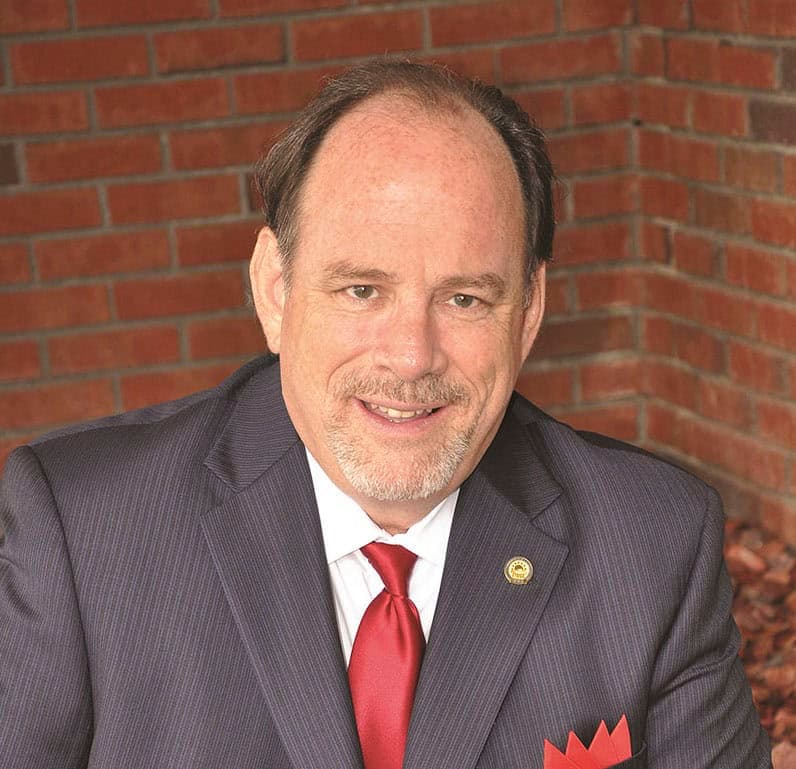
"Decoupling has stalled again," said Lonny Powell, CEO of the Florida Thoroughbred Breeders' and Owners' Association. "Once more, the FTBOA and our industry partners defended Florida's Thoroughbred industry. We thank the industry partners who stood united against this legislation, the 34 House members who voted 'no,' and the Senate for declining to advance SB1564."
HB881 had cleared the Florida House after moving quickly through committee. The House Industries & Professional Activities Subcommittee reported it favorable on just day three of the session, with Powell and FTBOA Administrative Vice President Steve Koch testifying in opposition on January 14. Powell told legislators that the FTBOA was speaking not only for its own membership but for a coalition of all Florida horsemen's organizations that had met earlier that week and voted unanimously to oppose the bill.
Gulfstream Park supported the legislation, which would have allowed it or a future owner to continue casino operations without conducting live racing. Sponsor Anderson defended the bill during committee testimony, arguing that "the whole intention of this legislation is to ensure that live racing does not end" and asserting that decoupling would not affect Tampa Bay Downs. Those arguments failed to carry the Senate, where SB1564 never received a committee hearing.
Damon Thayer, a Thoroughbred owner, former Kentucky state senator, and senior adviser to the Thoroughbred Racing Initiative, framed the outcome in terms of the broader coalition that opposed the measure. "We are proud that, for the second year in a row, decoupling legislation before the Florida Legislature has been defeated by our industry-wide coalition representing owners, trainers, breeders, veterinarians, sales companies and the many small businesses that create the Thoroughbred industry's massive ecosystem," Thayer said. "We are appreciative of the lawmakers who understand the $3.2 billion annual economic impact and 33,500 jobs at stake in Florida's horse racing, breeding and training agribusiness."
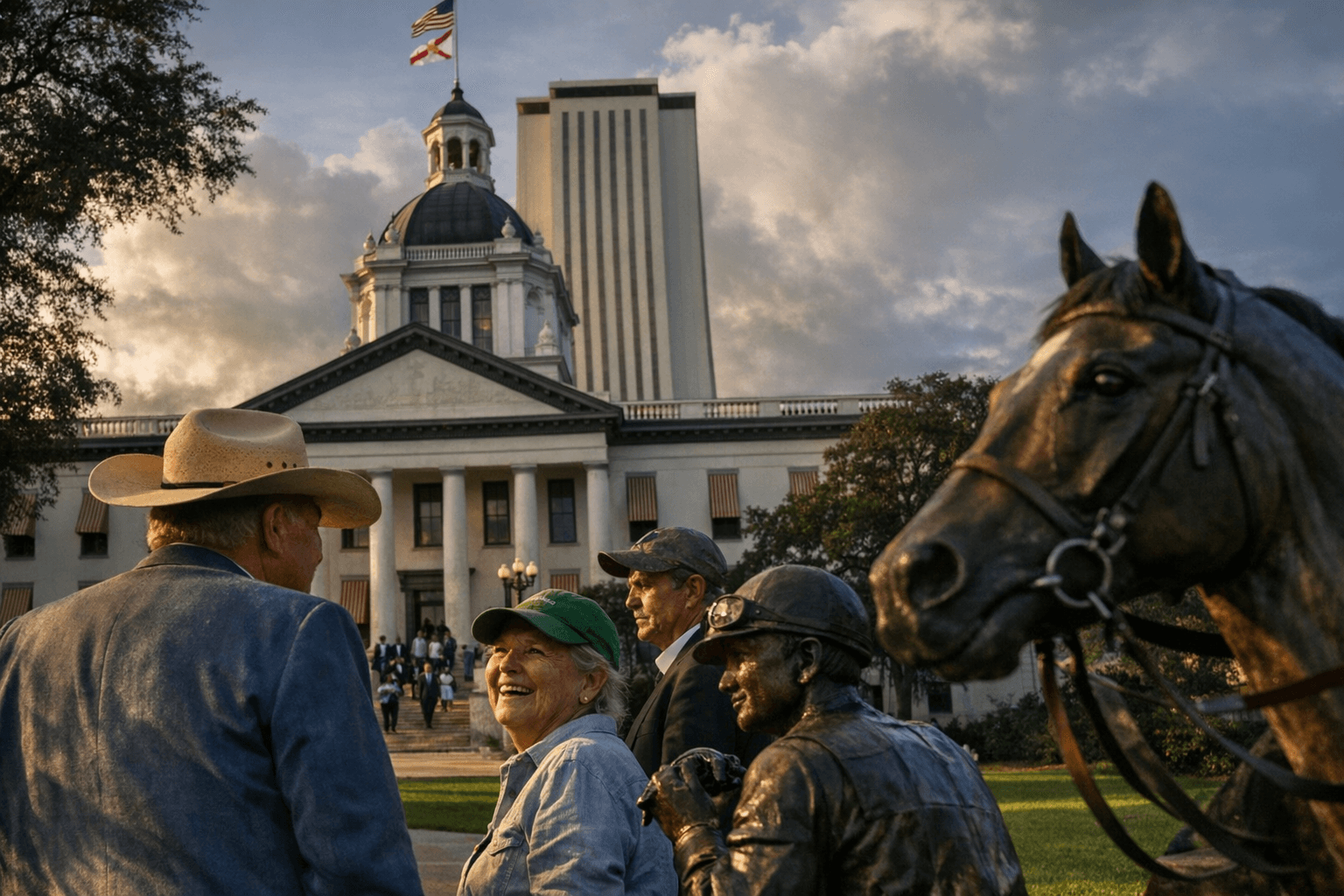
Powell used the victory to push for a more comprehensive approach, arguing that the two failed sessions have revealed the limits of incremental fixes. "It's become evident through the 2025 and 2026 legislative sessions that Florida needs a global gaming solution designed by Floridians, for Floridians," he said. "That will require alignment among the House, Senate, Governor and the Seminole Tribe, whose Gaming Compact represents a model of good-faith partnership with the State. Piecemeal attempts like repeated decoupling bills, and any effort to push the edges of the Tribal Gaming Compact or current law, will not lead to viable solutions for our industry or for the state."
The complexity Powell referenced is real. Florida's gaming framework is threaded through a state compact with the Seminole Tribe, pari-mutuel statutes, local referendums and commission-level oversight, a tangle that has left some legislators confused about how horse racing fits within the broader gambling landscape year after year.
The FTBOA has not positioned itself as purely obstructionist. Powell reminded lawmakers during the January 14 hearing that his organization took legislative feedback from the 2025 session seriously and has been developing alternatives. "We have the only [remaining racing] permit that exists right now, that was passed by [the legislature] in 2011," Powell said. "It's a thoroughbred permit based in the Horse Capital of the World, Marion County. We've come forward publicly after the last session and said, we can't do this forever in terms of just keep opposing, opposing and opposing without solutions. We publicly launched our efforts to [activate racing as enabled by the permit]. We've been working on it hard."
The fight is not necessarily finished for this session cycle. A special session is expected to finalize the state budget, and the FTBOA said it will remain vigilant throughout any extended proceedings. Racing and breeding stakeholders have been defending against Florida decoupling proposals nearly since Gulfstream and Tampa first received gaming licenses two decades ago, and Powell's coalition is not taking the Senate's inaction as a permanent resolution.
This article was produced by Prism’s automated news system from verified source data, official records, and press releases, then run through automated quality and moderation checks before publishing. The system is built and supervised by the people who set the standards it runs under. Read our full AI policy.
Did this article answer your question?