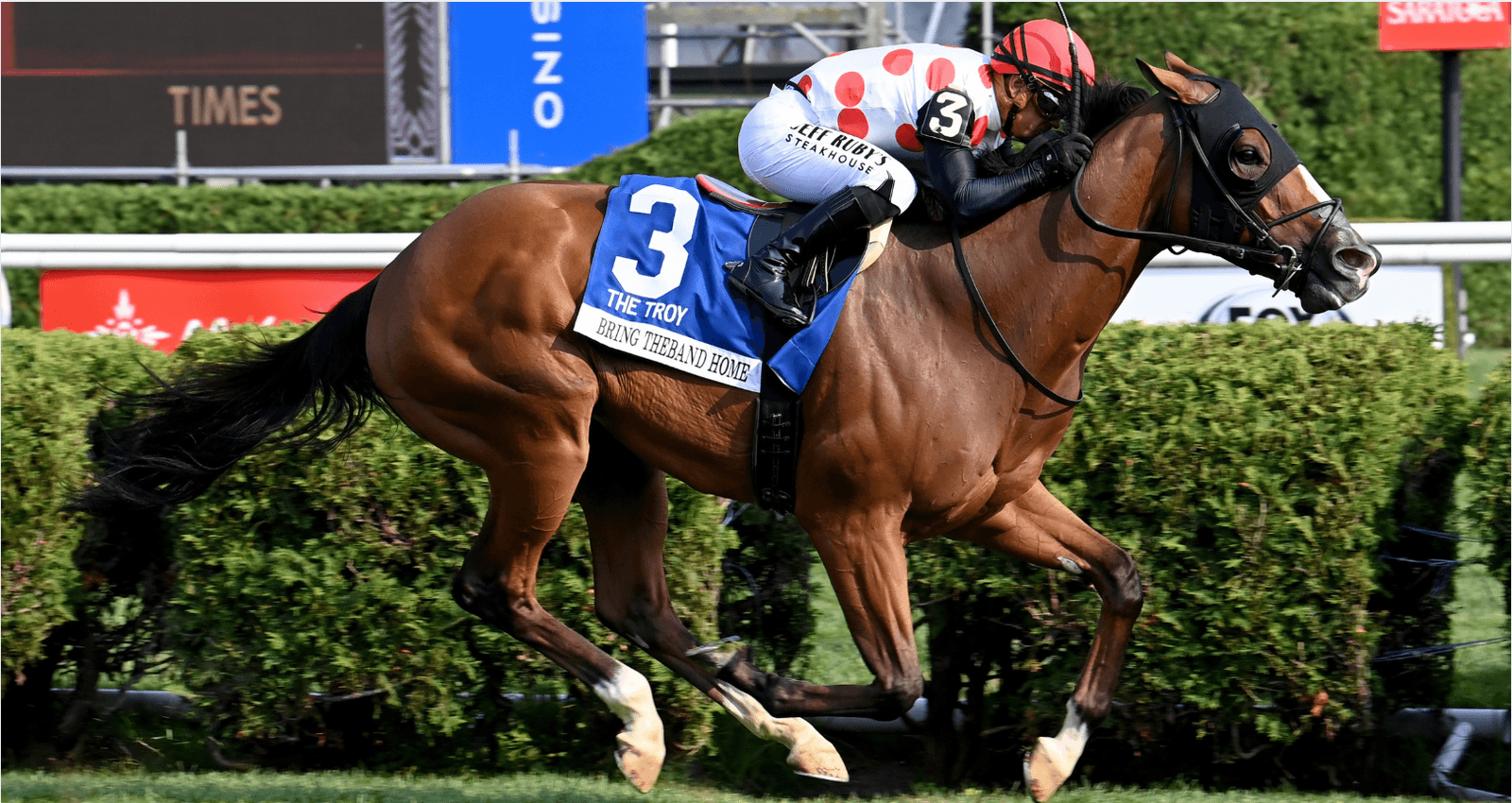
Golden Tempo’s Derby breakthrough crowns century-long Phipps breeding tradition
Golden Tempo’s Derby upset was no surprise inside the Phipps camp. It capped a century of breeding discipline and a partnership built for more than one race.
A Derby winner built, not bought
Golden Tempo did more than win the 152nd Kentucky Derby at Churchill Downs. The 23-1 longshot validated a partnership model that Phipps Stable and St. Elias Stable had been building patiently, with breeding depth on one side and modern campaign ambition on the other. BloodHorse reported that the victory came in the pair’s first year co-breeding horses together, which makes the result feel less like a surprise and more like the payoff from a carefully assembled alliance.
That matters in a sport where elite horses are increasingly the product of collaboration. Golden Tempo’s run was not simply a moment of race-day timing. It was the visible finish line for an ownership and breeding arrangement that had already shown its shape through Dynamic One, and then matured into something broader once the families began thinking beyond one horse and toward a sustained breeding program.
The partnership that changed the ceiling
The relationship between Phipps Stable and St. Elias Stable did not begin with a Derby trophy in mind. It began with Dynamic One, a 2021 Kentucky Derby runner who provided an early proof of concept for the two groups working together. Dynamic One was later purchased privately by Phipps Stable after the Keeneland April Selected Horses of Racing Age Sale in April 2024, which reinforced that the connection was not a temporary transaction but an evolving ownership alliance.
Daisy Phipps Pulito has described how the families started by discussing partnerships on colts out of Phipps mares, then expanded the arrangement as Golden Tempo’s crop came along. That progression is important because it shows the business logic behind the result. Instead of chasing quick hits, the partnership leaned into a longer horizon, one that tied the current generation of owners and breeders to a familiar breeding pipeline while giving the racing side the flexibility to target a horse capable of winning the biggest race in America.
Why Golden Tempo fit the Phipps blueprint
Golden Tempo is a homebred colt by Curlin out of Carrumba, and that pedigree sits at the heart of the story. Carrumba was a graded stakes winner and Grade 1-placed mare, which gave Golden Tempo a strong maternal base before he ever stepped onto the Derby stage. BloodHorse also traced the colt’s line through Lady Pitt, Blitey, Oh What a Dance, Dancinginmydreams and Castanet, a chain that places him squarely inside one of racing’s most durable family trees.
That kind of lineage is not decorative. It is the operating system of the Phipps program, a reminder that elite results often come from compounding decisions over generations rather than from isolated spending sprees. In Golden Tempo, the breeding program and the campaign plan finally aligned: the right mare family, the right sire in Curlin, and the right ownership structure to let the horse develop into a Derby winner.
A century of breeding weight behind one finish line
The Derby breakthrough also lands with historical force because 2025 marked 100 years since Gladys Mills Phipps made her first yearling purchases at Saratoga. A few months later, on Feb. 4, 1926, Sturdy Stella won for Wheatley Stable at the old Miami track, giving her the family’s first winner. Wheatley Stable itself was founded in 1926 by Gladys Mills Phipps and Ogden Mills, making Golden Tempo’s triumph part of a centennial arc rather than a standalone headline.
That history gives the win a cultural dimension that stretches beyond one barn. Reporting has long linked the Phipps name to breeding prestige, and their black silks and cherry red cap, registered in 1932, have been associated with a tradition of class, restraint and quality. Until Golden Tempo, though, those colors had never been carried first across the Kentucky Derby finish line. The emotional charge of that detail explains why the victory resonated so strongly: it was a first Derby win for one of racing’s defining families, earned not through reinvention but through continuity.
What the Derby said about the modern game
Golden Tempo’s win also offers a useful model for how top-level racing is changing. The old image of a single owner, a single stable and a single star horse is giving way to a more strategic ecosystem built on shared mares, shared risk and aligned objectives. Phipps Stable and St. Elias Stable showed that a traditional breeding operation can still thrive when it is willing to partner with a more campaign-driven outfit, especially when both sides are committed to letting a program compound over time.
This is the larger business lesson buried inside the Derby result. The best modern collaborations are not just about spreading cost. They are about stacking expertise. The Phipps side brought deep family lines and breeding credibility; St. Elias added a contemporary competitive framework that helped the partnership identify, develop and place horses at the top level. Golden Tempo’s victory suggests that the smartest racing operations will increasingly be built around those complementary strengths.
The people who made the moment feel bigger
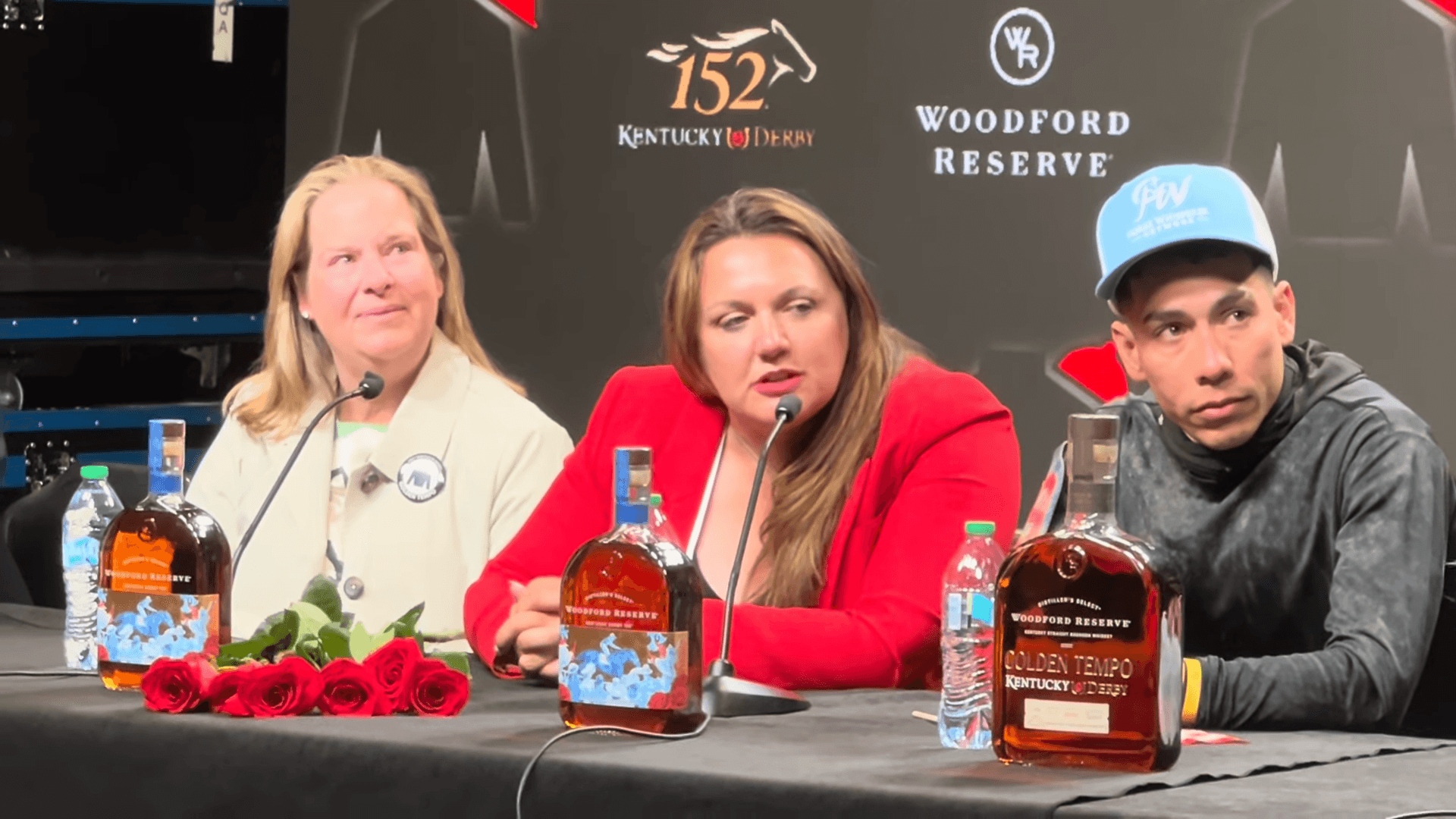
The Derby also carried individual milestones that widened its significance. Cherie DeVaux became the first female trainer to win the Kentucky Derby with Golden Tempo, a breakthrough that adds another layer to a race already thick with meaning. Jose Ortiz had said before the Derby that he expected Golden Tempo to run a very good race and possibly win it, a confidence that now reads as well-placed rather than optimistic.
Those details matter because they show the win was not only about pedigree and ownership architecture. It was also about the execution of a horse, a trainer and a rider who all arrived at the biggest stage prepared to meet it. When a longshot wins at 23-1, the public often treats it as chaos. In this case, the result looked more like a program hitting its stride at exactly the right moment.
What comes next for the alliance
The Derby victory immediately pushed the partnership into the next phase of the spring. St. Elias Stable was already considering a Preakness Stakes run for Golden Tempo, while another St. Elias horse, Iron Honor, was also being pointed toward the middle leg of the Triple Crown. That tells you how quickly a Derby winner changes the rhythm of a season, and how much leverage a single result can create for a partnership that has just proven its model on the biggest stage.
For Phipps Stable, the bigger story is durability. Golden Tempo did not just deliver a classic win. He confirmed that a century-old breeding tradition still has room to grow, adapt and compete at the sport’s highest level when it is paired with the right modern ally. In an era that rewards strategy as much as sentiment, that may be the most significant victory of all.
This article was produced by Prism’s automated news system from verified source data, official records, and press releases, then run through automated quality and moderation checks before publishing. The system is built and supervised by the people who set the standards it runs under. Read our full AI policy.
Did this article answer your question?