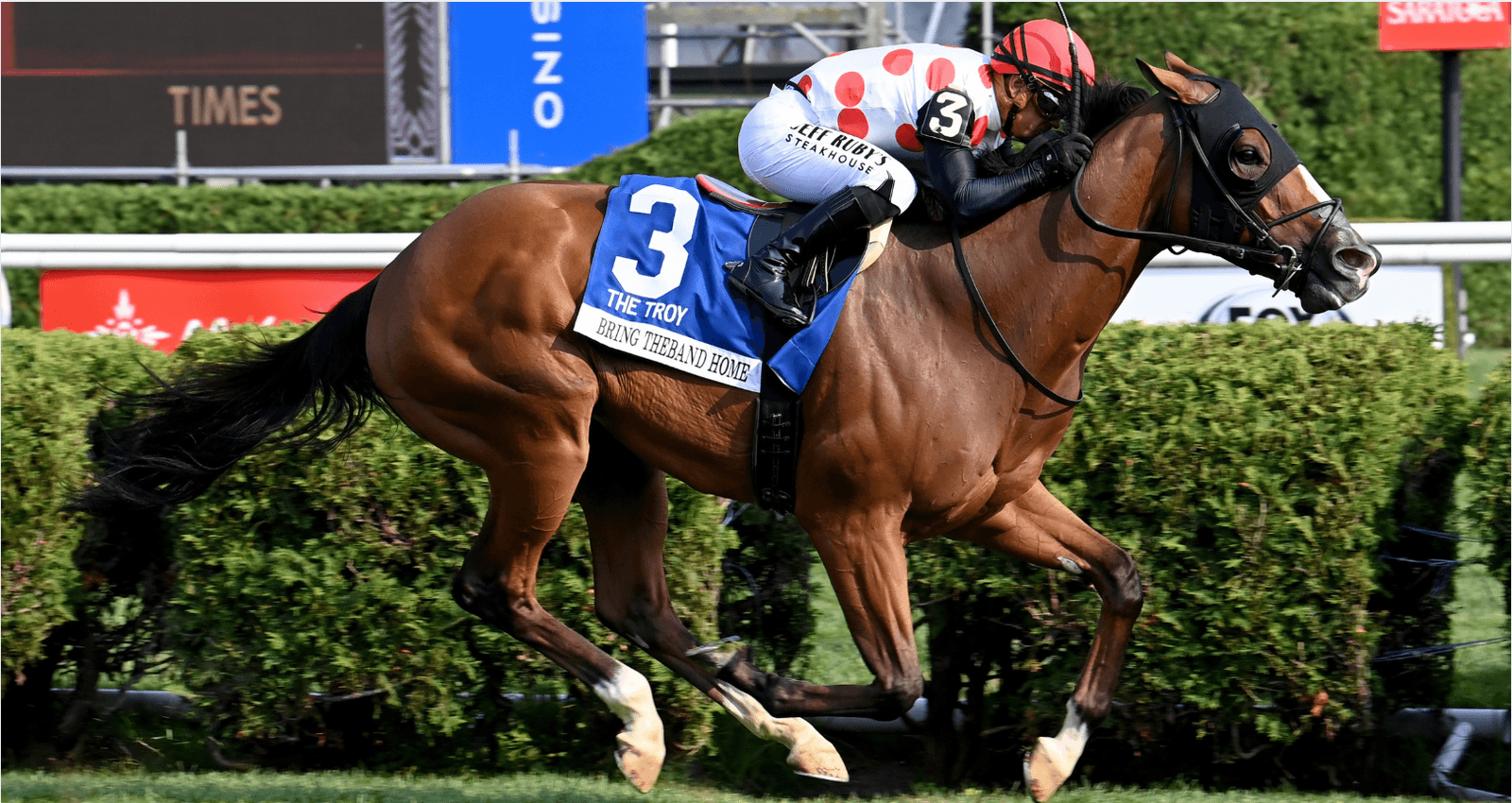
Keeneland key to Golden Tempo’s Derby run, Preakness decision looms
Keeneland shaped Golden Tempo’s Derby path from the first work to the last. DeVaux says the Lexington base gave him the routine and stability that powered a 23-1 upset.
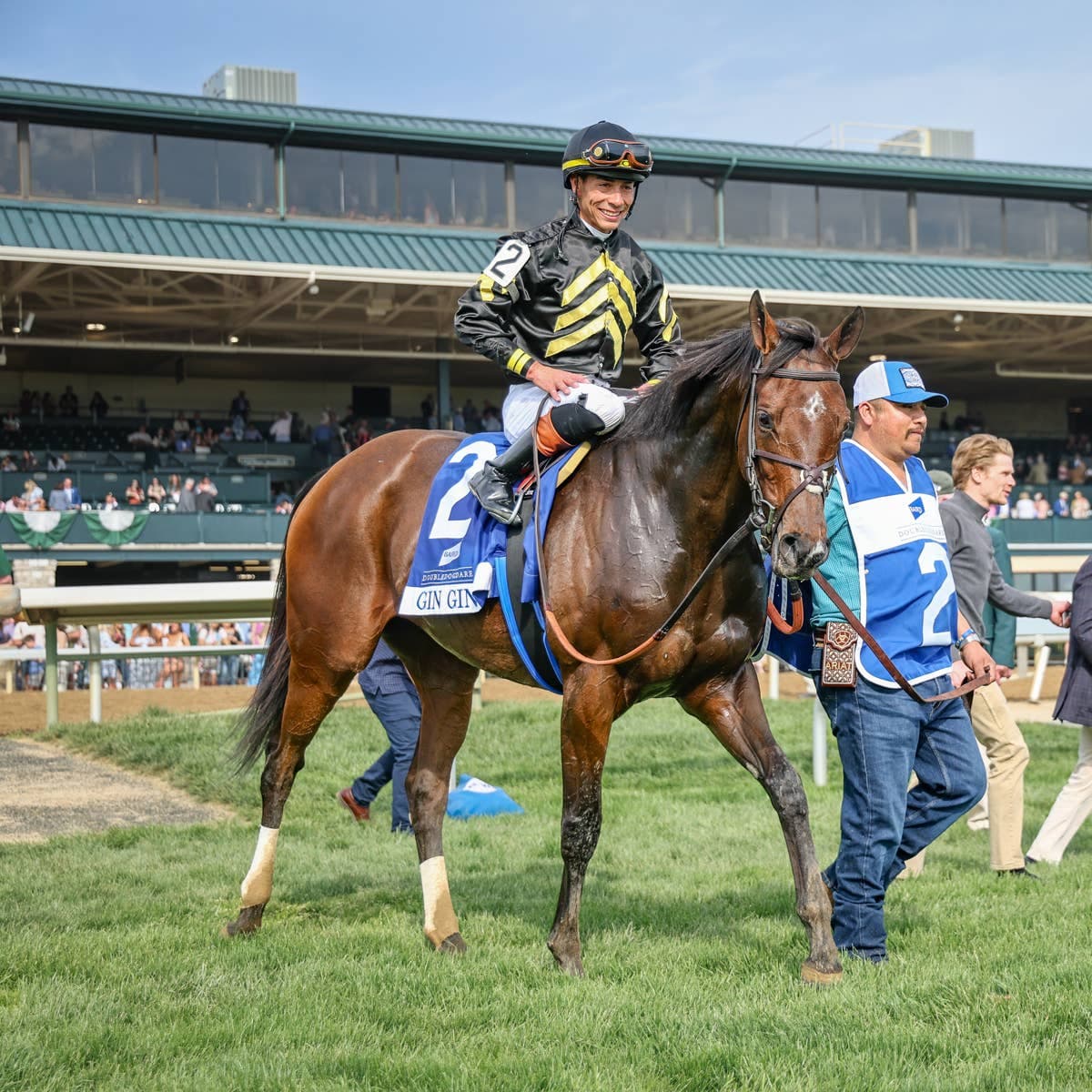
Keeneland was the engine behind the upset
Golden Tempo’s Derby win was forged long before the field broke from the gate at Churchill Downs. Cherie DeVaux framed the colt’s 152nd Kentucky Derby triumph as a product of environment, routine and setup, with Keeneland serving as the center of gravity for the entire preparation.
That matters because Golden Tempo did not arrive in Louisville as a horse who had been bouncing from venue to venue. He won the Derby on May 2, 2026, in 2:02.27, rallied from last, and did it as a 23-1 chance under José Ortiz. But the deeper story is how cleanly his path was managed: Fair Grounds Race Course & Slots to Keeneland to Churchill Downs, with no wasted movement and no unnecessary change in daily habits.
A prep path built for stability
Golden Tempo’s first four starts all came in Louisiana, and he had not raced away from Fair Grounds before the Derby. He broke his maiden there, then returned to the Fair Grounds surface for his final prep in the Louisiana Derby on March 21, where he finished third. After that race, he went back to Lexington, and every major Derby work came over the Keeneland track.
That sequence is not just a travel note. It is the kind of controlled progression many horsemen chase but few execute this cleanly. DeVaux has said she prefers not to shift horses between too many surfaces, and Golden Tempo’s campaign fit that philosophy perfectly. He trained in one home base, got his race experience on one familiar circuit, and then carried that confidence into Churchill Downs.
Horsemen often talk about a horse “settling,” but in Golden Tempo’s case that word carries real weight. A colt who had not left Louisiana in race conditions before the Derby was asked to take a giant leap on the first Saturday in May. The fact that he did so while remaining anchored to the same training environment helps explain why DeVaux puts such emphasis on base and routine instead of treating them as logistical details.
Why Keeneland mattered as infrastructure
DeVaux’s comments make Keeneland sound less like a place and more like a support system. She praised the association for being an integral part of her career and business, saying it offers more than just a training surface. That distinction is important in modern racing, where the quality of a prep base can affect everything from physical conditioning to the mental calm a horse brings to the track.
Keeneland’s own trainer bio underscores how embedded DeVaux is there. It says she maintains a year-round training operation at the Lexington oval, and as of May 4, 2026, it listed more than $36 million in North American earnings and 299 career wins. That is not the profile of a trainer passing through for a seasonal stop. It is the footprint of a stable that has built its identity around one home base and has used that base to compete at the sport’s highest level.
The Derby win also gives fresh practical meaning to the idea of prep location as a competitive edge. For some barns, an off-site training center is just a staging point. For DeVaux, Keeneland functioned as the environment where a horse could repeat his work, absorb pressure, and stay physically and mentally organized before the biggest test of his life. Golden Tempo’s Derby form was not only about talent. It was about a system that allowed that talent to stay intact.
The horse, the rider and the late surge
Golden Tempo’s pedigree and ownership add another layer to the story. He is a homebred colt for Phipps Stable and St. Elias Stable, and he is by Curlin, a sire whose name already carries serious weight in elite American racing. That breeding background did not make the Derby win automatic, but it did place him in a lineage associated with class, stamina and top-level durability.
José Ortiz’s ride was central to the result. The colt was last early, yet Ortiz guided him into a rally that proved the Derby pace and stamina mix had played right into Golden Tempo’s strengths. A 23-1 winner who closes from the back always invites questions about pace, trip and timing, but in this case the answer also includes the months of preparation that made that final run possible.
DeVaux’s victory was historic in its own right. She became the first female trainer to win the Kentucky Derby, and only the second female trainer to win any Triple Crown race, following Jena Antonucci’s 2023 Belmont Stakes victory with Arcangelo. That is a significant milestone for a sport that has spent generations placing women in the background of its biggest races. This result does not just change one record book line. It expands the picture of who can own the training narrative on racing’s largest stage.
What the morning after looked like
The Derby celebration did not end with the trophy. Golden Tempo returned to Keeneland the morning after the race, and the colt was described as fresh and energetic during media availability outside DeVaux’s barn. That detail matters because it speaks to the condition underneath the headline. A horse that looks bright the next morning is a horse whose campaign has been managed with an eye toward recovery as much as performance.
He had completed his third walk day, and the next step was a return to the track for light jogs before resuming galloping later in the week. That is the rhythm of a barn trying to keep the horse relaxed while deciding what comes next. The Preakness Stakes remained under consideration, but no decision had been made immediately after the Derby.
That uncertainty is part of the modern Triple Crown calculation. The old instinct to chase all three races still exists, but trainers now balance history against the realities of a horse’s body and the long season ahead. Golden Tempo’s team is clearly treating the decision as a business and performance call, not a reflex.
A defining moment that reached beyond the winner’s circle
DeVaux also made an emotional first stop the morning after the Derby at the former Churchill Downs barn of the late trainer Chuck Simon. That visit adds human scale to a week that already carried historic significance. The Derby win was career-defining, but it was also personal, shaped by memory, mentorship and the people who helped build her path long before Golden Tempo reached the starting gate.
What Golden Tempo’s Derby run ultimately shows is that top-level racing is rarely just about one brilliant ride or one fast final fraction. It is about the architecture underneath the performance. In this case, Keeneland was that architecture, the place where routine, confidence and consistency were converted into a Derby upset. The colt’s next target remains undecided, but the lesson from Churchill Downs is already clear: for some barns, the base is the edge.
This article was produced by Prism’s automated news system from verified source data, official records, and press releases, then run through automated quality and moderation checks before publishing. The system is built and supervised by the people who set the standards it runs under. Read our full AI policy.
Did this article answer your question?