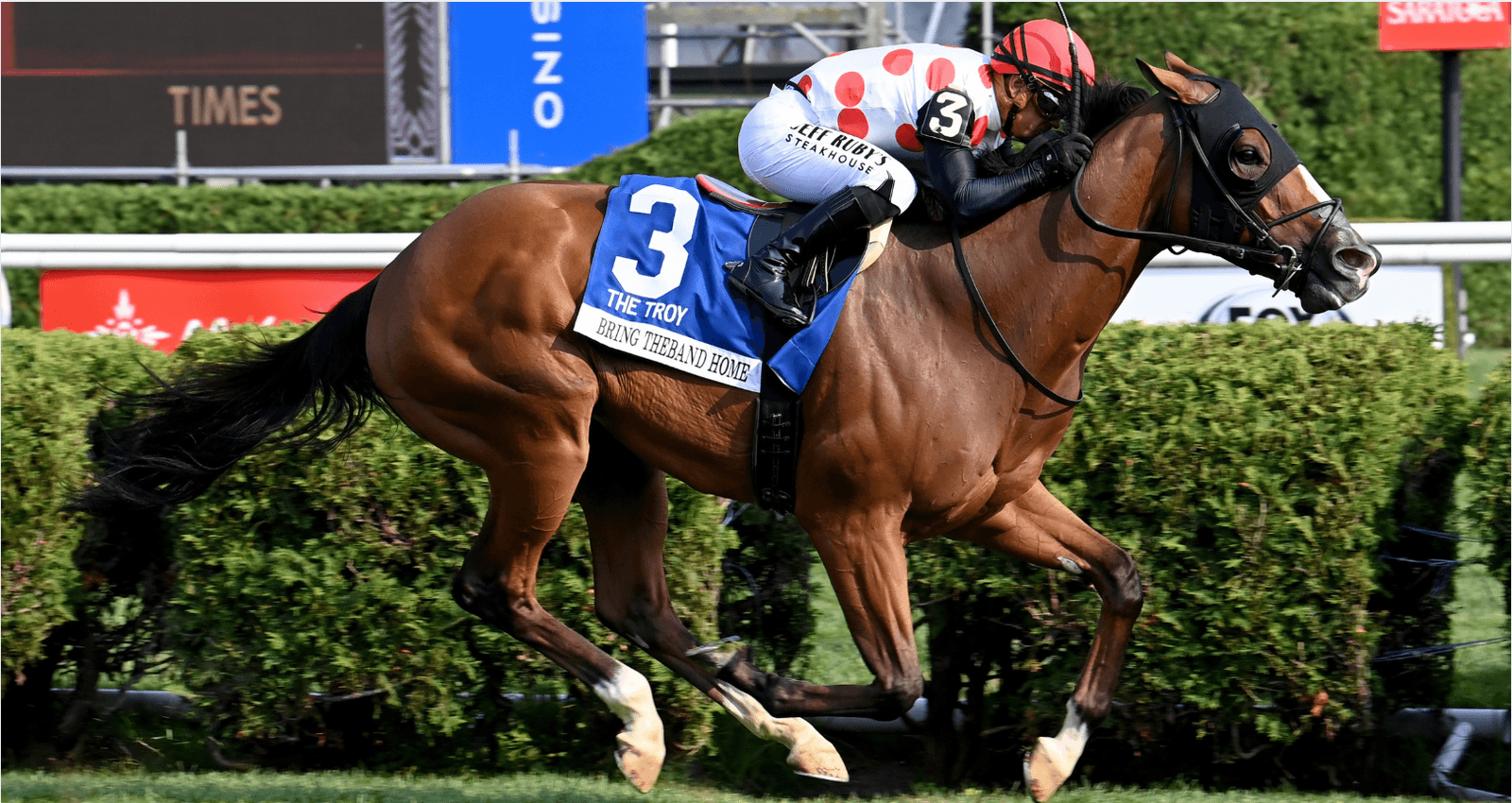
Government distances itself as betting affordability checks spark racing uncertainty
Betting affordability checks have left racing in limbo, with the government pointing away from itself as the levy, turnover and customer treatment all hang in the balance.
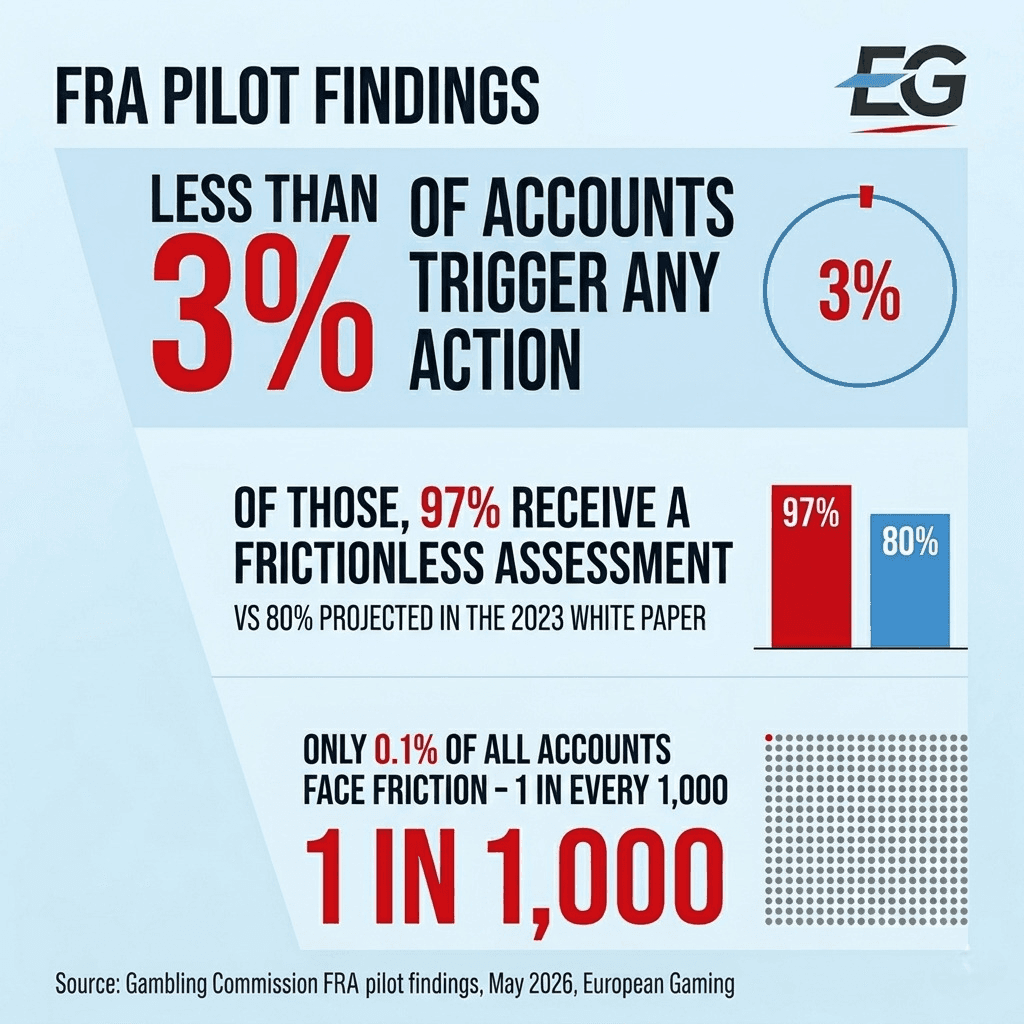
The practical problem in gambling reform was not the wording, but the vacuum around it. The government kept distancing itself from responsibility while affordability checks moved into force, leaving bettors, bookmakers and racing without a clear sense of how customers would be treated or how much more business would leak from the regulated market.
The Gambling Commission’s consultation outcome set financial vulnerability checks at a £500 net deposit threshold in a rolling 30-day period from 30 August 2024, before lowering that trigger to £150 from 28 February 2025. The Commission said a check had to include at minimum a customer-specific public record information check for significant indicators of potential financial vulnerability. The 2023 Gambling White Paper had proposed two forms of financial risk checks, but the government’s response to the backlash pointed back to the paper and said the Commission would consult further on implementation.
That hand-off did little to calm the politics. A parliamentary petition opposing the checks closed on 1 May 2024 after more than 100,000 people signed it, and the House of Commons held a debate on financial risk checks for gambling on 26 February 2024. Parliamentary material showed petitioners arguing that the checks could be so intrusive they might be triggered by losses as low as £1.37 per day.
For racing, the issue has been financial, not philosophical. The Horserace Betting Levy is paid by bookmakers with annual gross profits on British horseracing over £500,000 at a rate of 10%, and the Horserace Betting Levy Board is a DCMS-sponsored public body. The levy regulations were changed in 2017 to extend the levy to all gambling operators, including overseas operators, offering bets on horseracing in Great Britain. Any shift in online betting behavior feeds straight into racing’s income line.

That is why the industry has pushed back so hard. More than 400 racing figures signed an open letter to DCMS opposing affordability checks, while the British Horseracing Authority warned the policy could drive punters away from the regulated market and damage racing finances, jobs and tax revenue. Industry reporting has put online horse-racing betting turnover down by £3 billion over the past two years, and estimates repeatedly cited during the white paper debate suggested the checks could cut online horseracing betting yield by 6% to 11%, a hit of roughly £8.4 million to £14.9 million a year.
The argument still did not settle in the spring of 2026. The Gambling Commission said it welcomed an interim measure from the Betting and Gaming Council aimed at reducing unnecessary document requests, but the controversy kept evolving. In May 2026, James Noyes quit the Gambling Act Review Evaluation Advisory Group, saying it was “clearly unacceptable” to roll out the policy without meaningful evaluation. That resignation underlined the core problem: no one seems fully willing to own the checks, yet racing and betting have to live with them anyway.
This article was produced by Prism’s automated news system from verified source data, official records, and press releases, then run through automated quality and moderation checks before publishing. The system is built and supervised by the people who set the standards it runs under. Read our full AI policy.
Did this article answer your question?