Gowran Park abandoned after jockeys report unsafe bend footing
Eternal Echo’s slip sent Donagh O'Connor down, then a string of rider complaints stopped Gowran Park before the card’s final race.
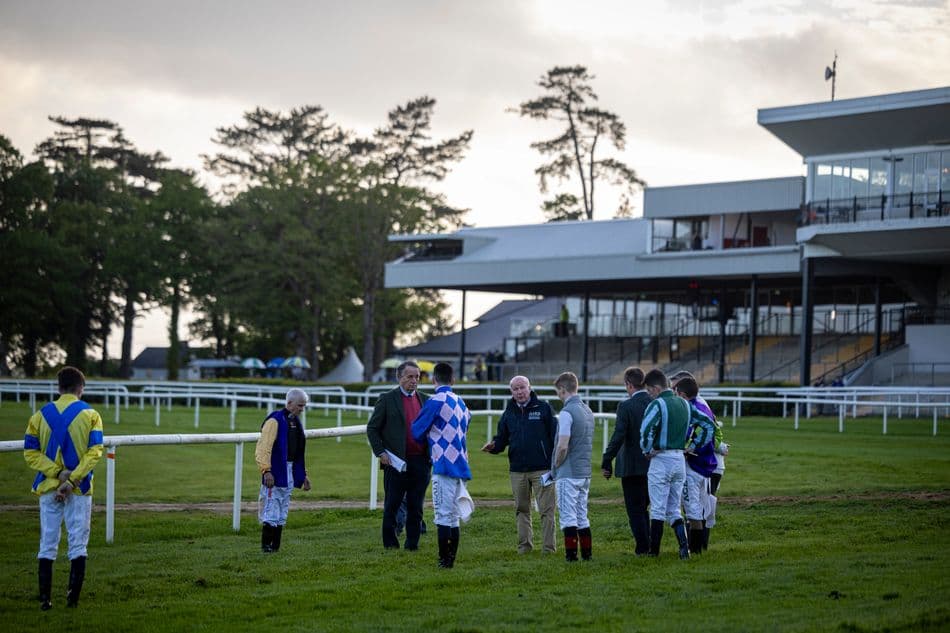
Jockeys changed the shape of the Gowran Park card in real time. After Eternal Echo slipped and unseated Donagh O'Connor in the 7:20 p.m. 1m6f handicap, multiple riders came back with the same warning: their mounts were losing their hind legs on the bend just after the stands, and the meeting was stopped before the 8:20 p.m. finale.
The track had been listed as Good to Yielding, but the footing on that section of the course quickly became the issue that mattered. With one rider on the ground and several others independently reporting the same problem, stewards called an inspection and spoke with the riders and the grounds team before the final race was abandoned. Irish Racing said the unsafe area was the bend immediately after the stands, and that was enough to end the evening’s action.

That sequence matters because it shows how race-day authority can shift when jockeys speak up together. O'Connor was the only rider unseated, but the concern was never confined to one incident. The reports pointed to a pattern on a specific part of the track, and once that pattern was recognized, continuing with the 8:20 p.m. race was no longer a defensible option.
The abandonment also underlined how vulnerable smaller cards can be, even at a venue with Gowran Park’s standing in Irish racing. The County Kilkenny course opened on 16 June 1914 and is described by Horse Racing Ireland as a right-handed turf track that stages both Flat and National Hunt racing. Gowran Park Racecourse says it has 19 race meetings in 2026, and it remains a regular fixture in a region packed with training and breeding yards.
Its profile is high enough to host feature days such as the Goffs Thyestes Chase, first run in 1954, but this was a reminder that the daily mechanics of racing are often decided by the ground itself. A meeting can be building toward a finish line, then stop abruptly if riders lose confidence in one bend. In that sense, the evening at Gowran was less about a lost race and more about the sport’s most basic contract: if the people in the saddle say the surface is not fit, the card does not continue.
Gowran has been abandoned before for safety reasons after jockey complaints, and that history gives added weight to Wednesday’s decision. The final call at Gowran Park was not a disruption for its own sake. It was an example of rider feedback, stewards’ judgment and course management working together when one bend became the difference between running a race and risking it.
This article was produced by Prism’s automated news system from verified source data, official records, and press releases, then run through automated quality and moderation checks before publishing. The system is built and supervised by the people who set the standards it runs under. Read our full AI policy.
Did this article answer your question?