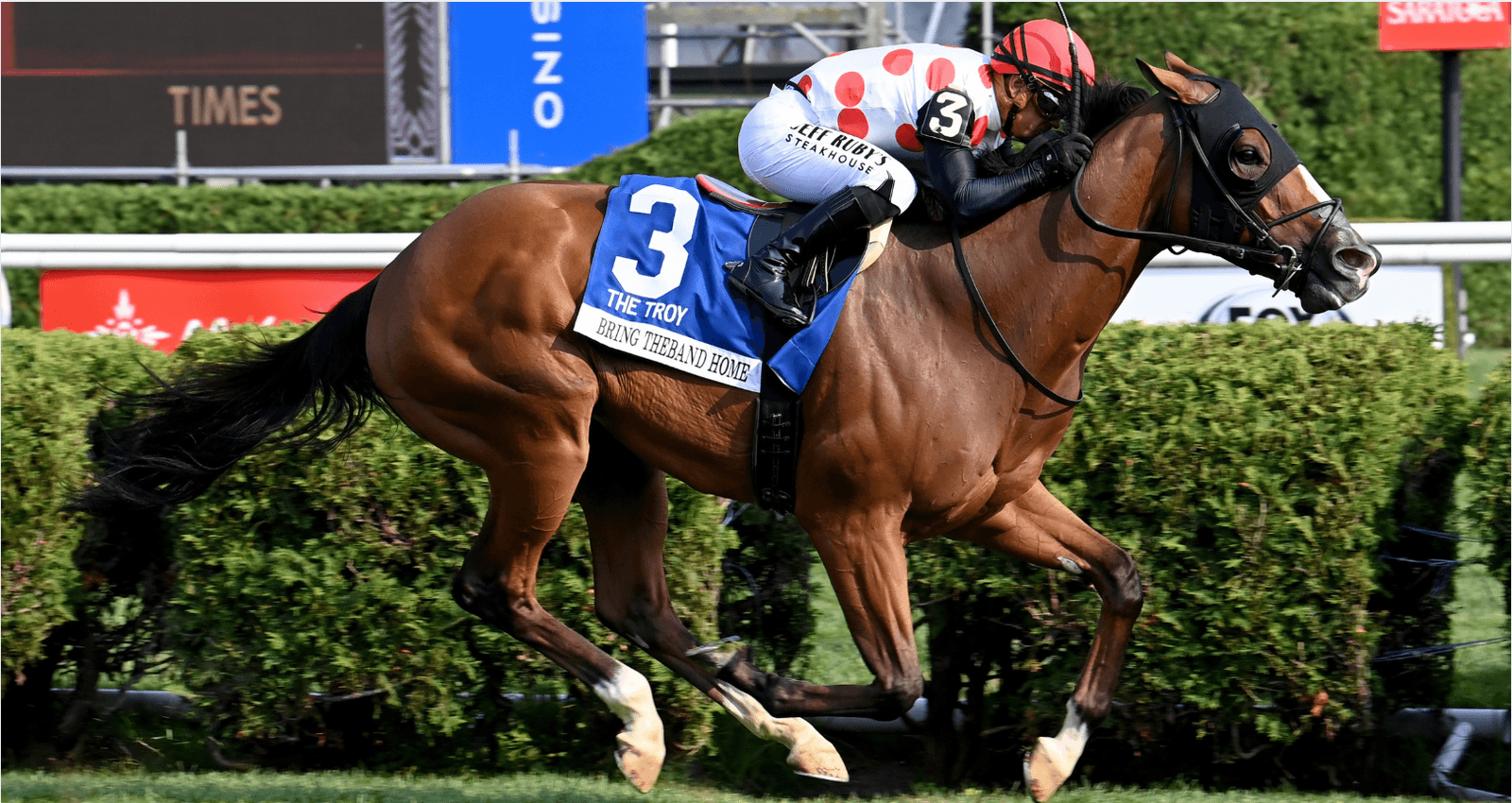
Grand National Adopts Smaller Fields, New Start Line and Improved Watering System
The Grand National field is capped at 34 horses, down from 40, as Baroness Batters and Aintree press welfare reforms before the April 11 showpiece.

When the Randox Grand National goes to post at Aintree on April 11, it will do so with a tighter field, a repositioned start, and a track surface shaped by a pop-up irrigation system that did not exist a few years ago. The changes, first introduced for the 2024 running and carried forward for 2026, represent the most substantial restructuring of Britain's most-watched horse race in four decades, and the woman now overseeing the welfare framework that underpins them is under no illusion about the stakes.
The Jockey Club reduced the maximum field size from 40 to 34 horses, a change first implemented in 2024 to minimise congestion at the first fence and reduce early fallers. It was the first such alteration since 1984, with the Jockey Club stating its aim to reduce the risk of incidents during the race. The arithmetic matters: six fewer horses at a standing start, navigating Aintree's notoriously compressed early fences, changes the geometry of the race from the moment the tape rises.
Research papers and internal analysis of jump races established a direct correlation between the number of runners and the risk of falling, unseating, or being brought down. That evidence base drove the field cap, and it also informed the repositioning of the start. By reducing the distance to the first obstacle by 60 yards, organisers slowed the early pace, decreasing the likelihood of high-speed incidents straight out of the gates. To help horses stay relaxed at the start, the starting line was also moved further away from the main stand. Together, the two adjustments address the most dangerous window of any Grand National: those frantic opening seconds when a field of thoroughbreds funnels toward the first fence at full gallop.
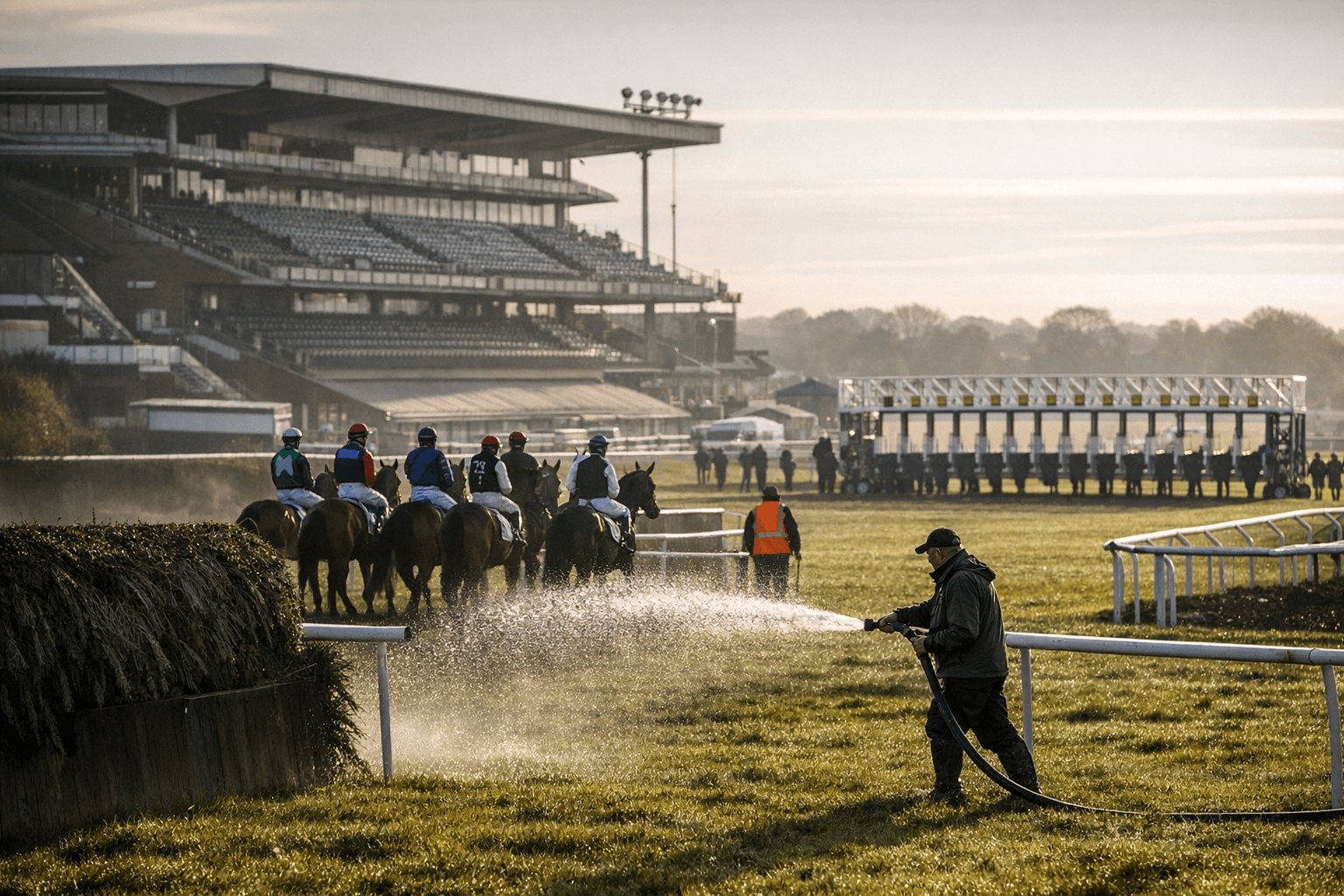
The ground beneath their hooves has been rethought too. The Jockey Club invested heavily in Aintree's track irrigation system, installing pop-up sprinklers to ensure the best possible ground conditions. An even, predictable surface reduces the risk of accidents caused by ground instability. The race's start time was moved in 2024 to 4:00 pm, 75 minutes earlier than its previous slot, specifically to prevent the ground from drying out too much before the big race begins. Watering a course and timing a race around that watering is not glamorous, but it is the kind of operational detail that separates precaution from performance.
Baroness Minette Batters, the former National Farmers Union president who became independent chair of Britain's Horse Welfare Board in July 2025, is overseeing the next evolution of the sport's welfare strategy. She brings a background in racing, having ridden more than 30 point-to-point winners and served as a director at Salisbury Racecourse, alongside her role as a crossbench peer in the House of Lords. The Horse Welfare Board's "A Life Well Lived" strategy has driven a series of measurable interventions, including switching from birch to padded hurdles, which reduced faller rates by 11%.
The broader trajectory supports the direction of travel. The overall faller rate in British racing decreased every year over the past two decades, reaching a record low of 2.08% across nearly 30,000 runners. The 2024 Grand National, the first under the reduced field cap, saw all horses return safely, offering proof of concept to a sport that has faced sustained scrutiny from welfare campaigners including the RSPCA.
Whether the 34-runner format, the repositioned start, and the irrigated track collectively hold under the pressure of a full field at Aintree will be the question April 11 answers. The Jockey Club has noted that reducing the field size by too great a number could create a faster race and have an adverse impact on safety, meaning the current cap of 34 is not the end of the conversation. It is, for now, where the evidence pointed.
This article was produced by Prism’s automated news system from verified source data, official records, and press releases, then run through automated quality and moderation checks before publishing. The system is built and supervised by the people who set the standards it runs under. Read our full AI policy.
Did this article answer your question?