Guaguarero Wins, Then Dies: Did Fair Grounds System Fail the Horse?
Guaguarero crossed the wire first on a fractured ankle, then was euthanized. Now HISA says Fair Grounds, a Churchill Downs subsidiary, had no business taking that entry.
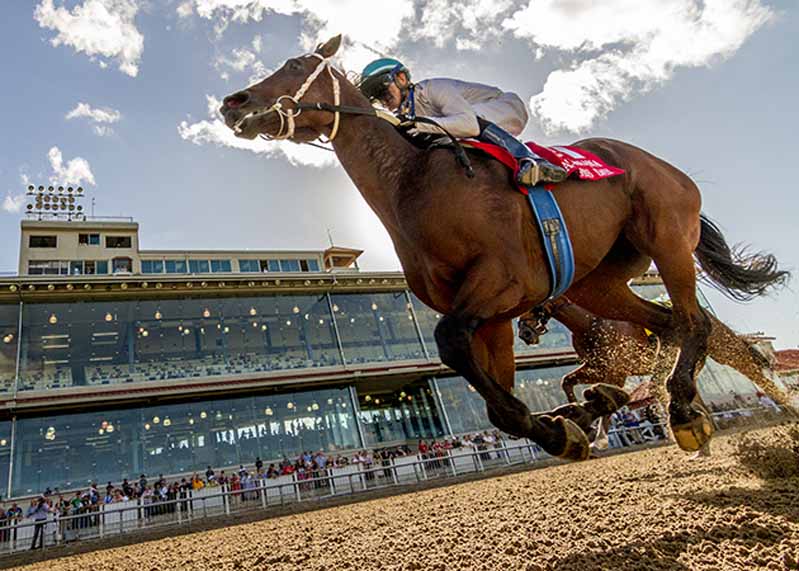
Guaguarero won his race on March 14 at Fair Grounds Race Course. He was also dead within hours of crossing the wire. The question now hanging over the track and its corporate parent is whether either outcome was inevitable.
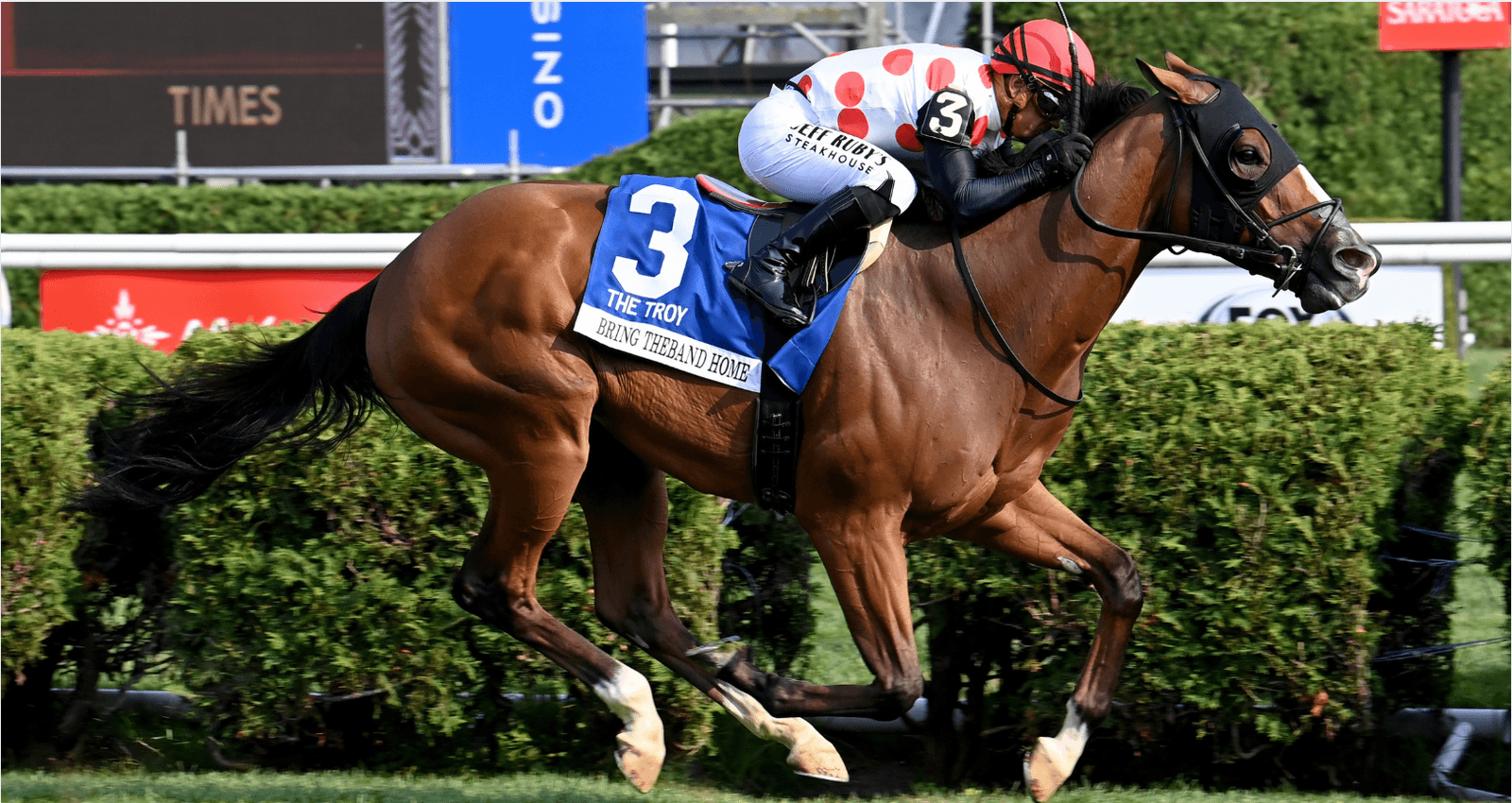
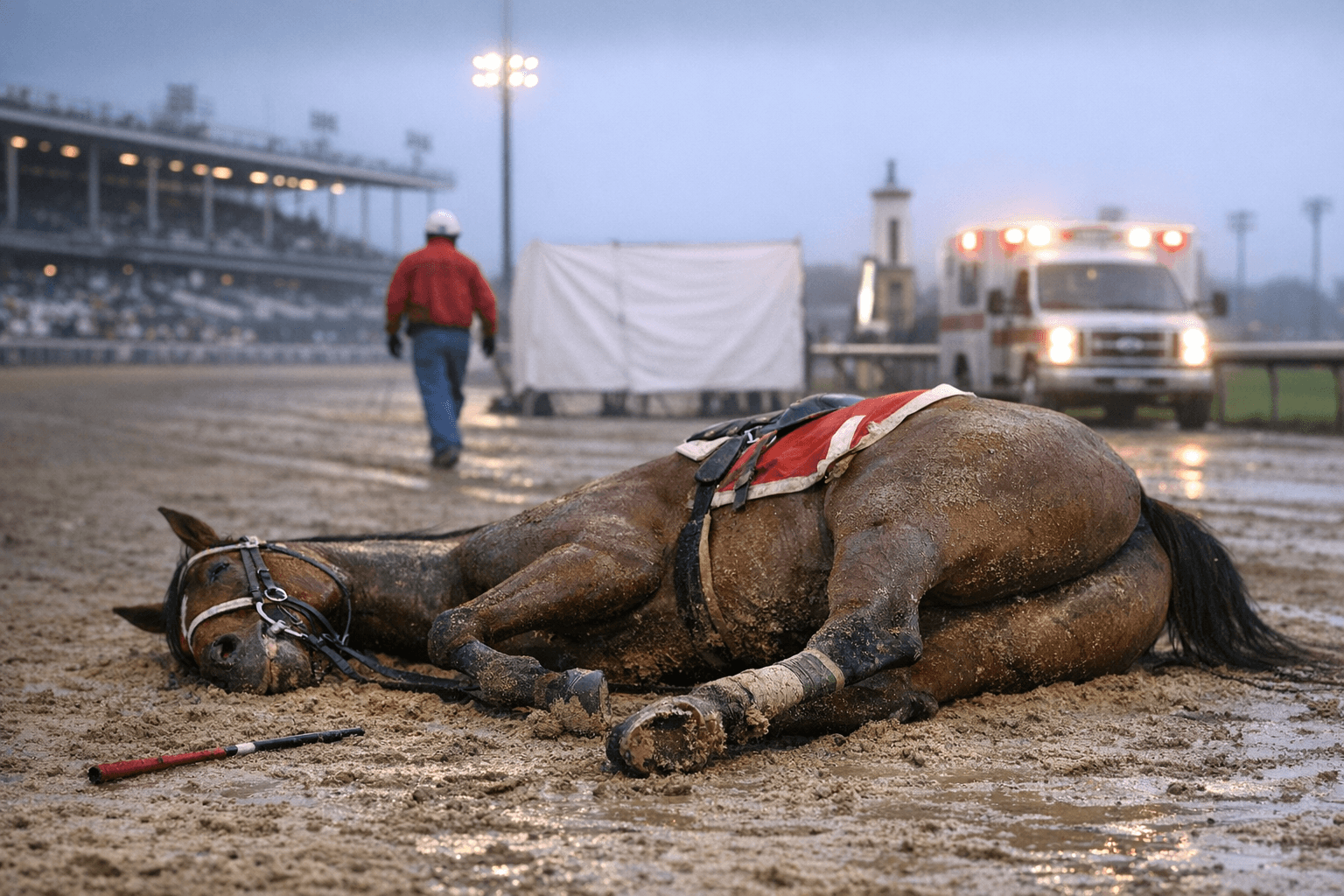
The 5-year-old Mo Town gelding fractured his right front ankle during a $12,500 maiden claimer, beginning to lose his action roughly 20 yards before the finish. He was well in front of the field at that point and somehow staggered across the wire still in the lead. He was declared the winner. He was then euthanized.
Writing in the Thoroughbred Daily News on March 23, columnist Bill Finley framed the breakdown not simply as a tragedy but as a potential failure of process. "All breakdowns are horrible, something that no one ever wants to see and something that remains a troubling issue the racing industry continues to face," Finley wrote. "But what makes the story of Guaguarero different from the rest is that this was one breakdown that maybe didn't need to happen."
The distinction Finley pointed to is jurisdictional. Fair Grounds does not operate under the Horseracing Integrity and Safety Authority, and a HISA spokesperson was direct when asked about the breakdown. "Fair Grounds does not operate within HISA's jurisdiction and does not honor HISA's veterinary list," the spokesperson said. "I'd direct you to Fair Grounds management to further understand why they took the entry. It is very discouraging that the entry was accepted and resulted in a fatality, an entirely preventable, tragic situation."
The HISA statement also underscored a corporate wrinkle: Fair Grounds is a subsidiary of Churchill Downs Incorporated, which operates four other tracks under HISA's national rules. HISA said those tracks "have seen the benefits in a measurably lower fatality rate than non-HISA tracks," though the authority did not provide the underlying data or methodology behind that claim.
Trainer Forster pushed back on any suggestion that the horse showed prior warning signs. He said Guaguarero had four workouts at Fair Grounds before the race, including a five-furlong move one week out that was clocked in 1:01.20. The Saturday before the race, Guaguarero completed a gate work with exercise rider Mitchell Murrill. "I never had an unsound day with him. He was working every Saturday. He was working really well and had a really good gate work with Mitchell Murrill the Saturday before the race. I never had any hesitation when it came to running the horse," Forster said.
Forster also said Guaguarero was examined by a Fair Grounds veterinarian before the race and cleared to run. He was unequivocal: he would not have entered the horse if he had any doubt about Guaguarero's soundness.
That puts Forster's account in direct tension with HISA's characterization of the fatality as entirely preventable. What would resolve that conflict, including a necropsy report, a steward's inquiry, and pre-race veterinary records, has not been made public. Fair Grounds management and Churchill Downs Incorporated have not responded publicly to the specifics raised by HISA. Until those records surface, the gap between "the horse passed every check" and "this death was preventable" remains exactly that: a gap that a fractured ankle and a winning photo cannot close.
This article was produced by Prism’s automated news system from verified source data, official records, and press releases, then run through automated quality and moderation checks before publishing. The system is built and supervised by the people who set the standards it runs under. Read our full AI policy.
Did this article answer your question?