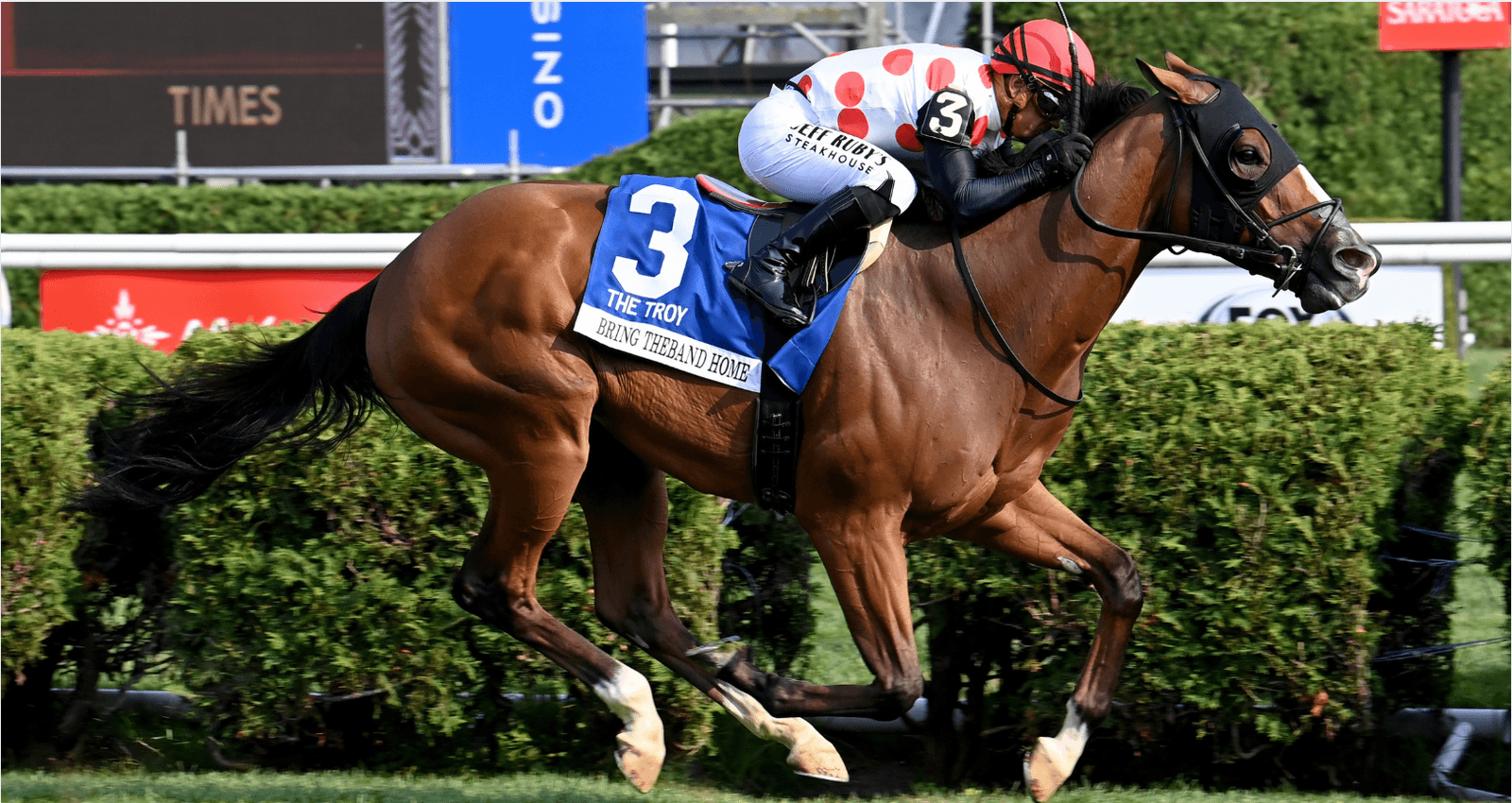
Gulfstream Park Boosts Royal Palm Meet Purses, Florida-Bred Incentives for 2026
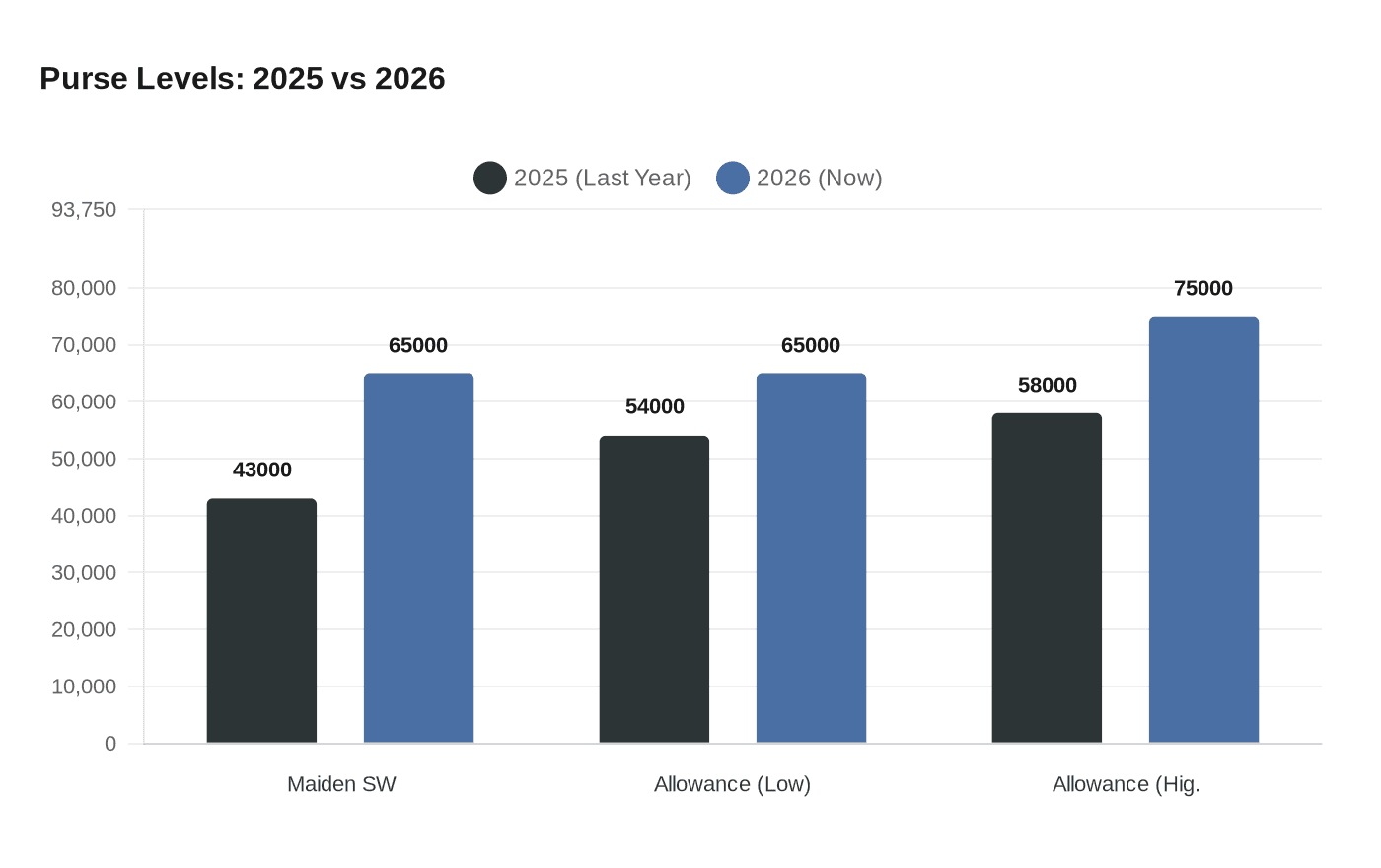
Gulfstream's $6M Florida-Bred Incentive Fund pushes Royal Palm maiden purses 51% higher, from $43K to $65K, directly reshaping owner ROI at the spring-summer meet.
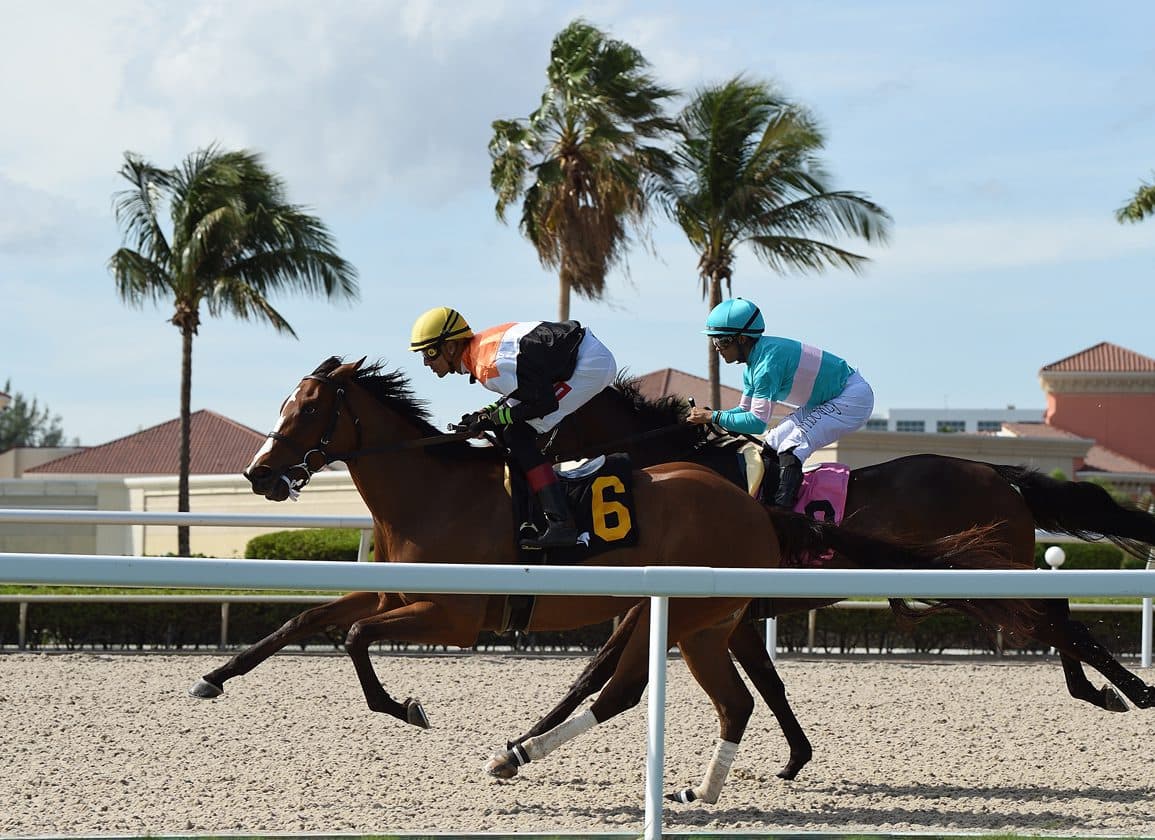
Florida-bred maiden special weight races at Gulfstream Park are now worth $65,000, up from $43,000 a year ago, a 51% jump that crystallizes what the track's newly launched Royal Palm Meet purse package actually means in a condition book. Backed by a $6 million Florida-Bred Incentive Fund, the restructured schedule makes the shoulder-season meet meaningfully more expensive to skip for any horseman with state-bred inventory.
The headline number is big, but the mechanics matter more. Gulfstream distributed $575,000 across 23 summer stakes, $25,000 per race, paid out at 50%-30%-11%-6%-3% to the top five Florida-bred finishers in each. That structure converts every open stakes into a secondary earnings event for Florida-breds: a state-bred running third collects 11 cents on every dollar of the $25,000 bonus regardless of the open-company result. For smaller operations running horses that would otherwise compete in $43,000 maiden spots, the new $65,000 floor is a $22,000 per-start improvement in potential earnings, a figure that materially changes the calculus on whether to race locally or ship elsewhere. Allowance conditions saw a similar upgrade, climbing from a range of $54,000-$58,000 last summer to tiers of $65,000 and $75,000 now. Even claiming purses got a $2,000 raise across the board.
The total stakes purse pool for the meet sits at $2.9 million. On April 25 alone, Gulfstream will card six $100,000 stakes restricted to Florida-breds, a single-day concentration of state-bred stakes money that gives owners a clear target date to build toward. For breeders, the elevated maiden values and the stacked stakes calendar strengthen the economic argument for Florida-based matings, which can influence stallion books and broodmare valuations heading into the next breeding season.
The meet's juvenile calendar carries its own premium. Winners of the $125,000 Royal Palm Juvenile and $125,000 Royal Palm Juvenile Fillies on May 9 earn automatic entry into one of Royal Ascot's six 2-year-old races, with a $25,000 travel stipend attached. Royal Ascot runs June 16-20, giving connections a roughly five-week window to prepare. Last year, trainer George Weaver swept Gulfstream's Royal Ascot qualifiers with No Nay Mets and Crimson Advocate, the latter going on to win the Queen Mary at Ascot. That pipeline, now better funded domestically, gives the juvenile program tangible international weight.
On the wagering side, the meet opens with a reset 20-cent Rainbow 6 spanning races 4-9 after Sunday's mandatory payout returned multiple tickets worth $41,654.20 each. Popular jockey Paco Lopez returns with five mounts on opening day, including Fear in the race 8 feature, a 5.5-furlong allowance for Florida-bred 3-year-olds on Tapeta. Hall of Fame trainer Mark Casse sends out first-time starter Mystical Dance, while Joe Orseno's I'm Not Surprised, a son of Leinster, breaks his maiden with Lopez up in race 6.
Trainer Saffie Joseph Jr., fresh off his fifth consecutive Gulfstream championship meet title, is already chasing what would be a 16th overall Gulfstream Park training title when racing resumes Thursday. The $6 million FBIF is the clearest signal yet that management wants a competitive spring-summer book, not just a placeholder between the marquee championship months.
This article was produced by Prism’s automated news system from verified source data, official records, and press releases, then run through automated quality and moderation checks before publishing. The system is built and supervised by the people who set the standards it runs under. Read our full AI policy.
Did this article answer your question?