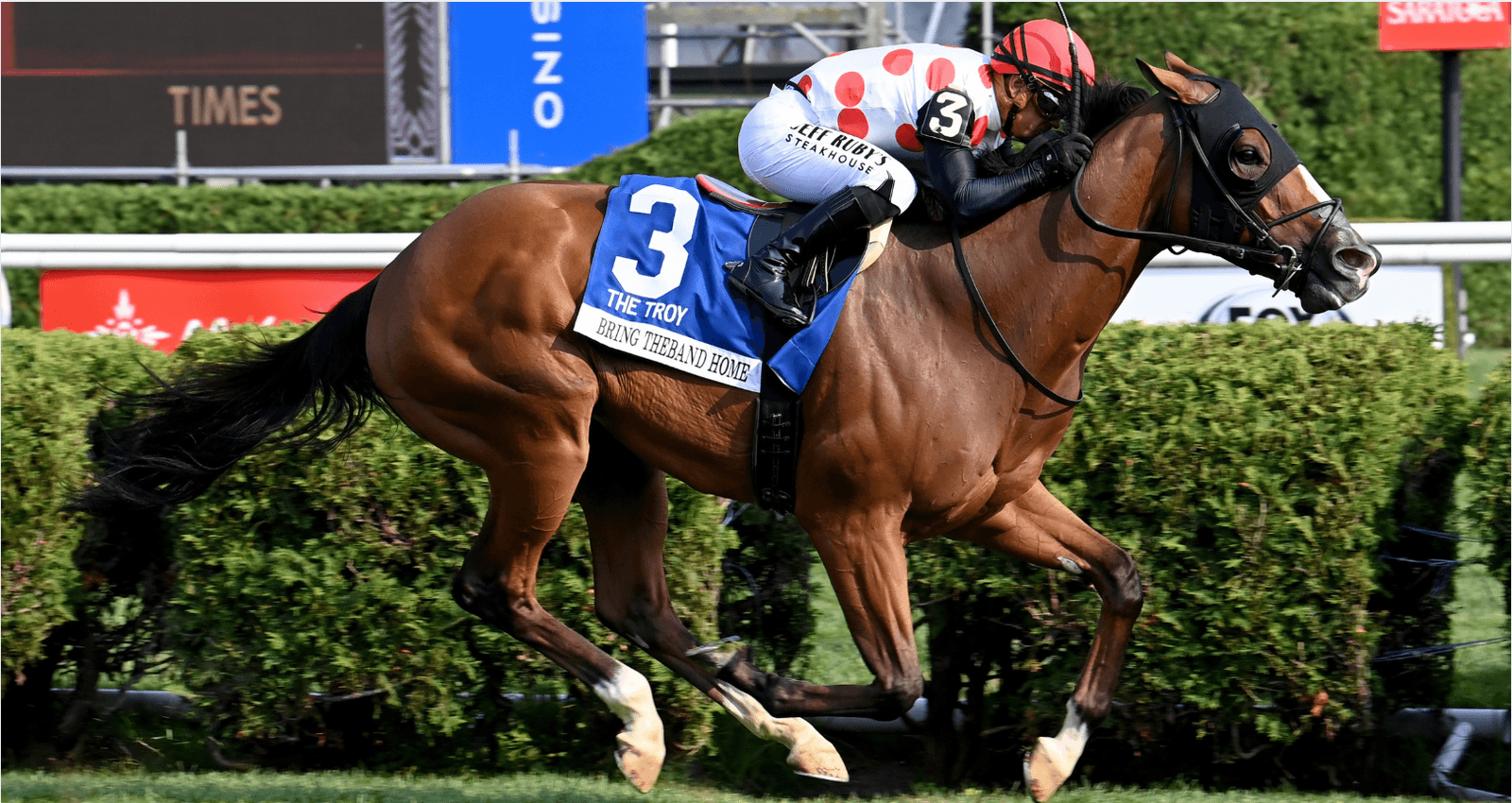
Gulfstream Park Mandates Annual Full-Body Nuclear Scans for Nine- and Ten-Year-Old Racehorses
Gulfstream Park now requires annual full-body nuclear scans for every nine- and ten-year-old racehorse, a mandate announced by Dr. Dionne Benson and Gulfstream staff on February 17, 2026.
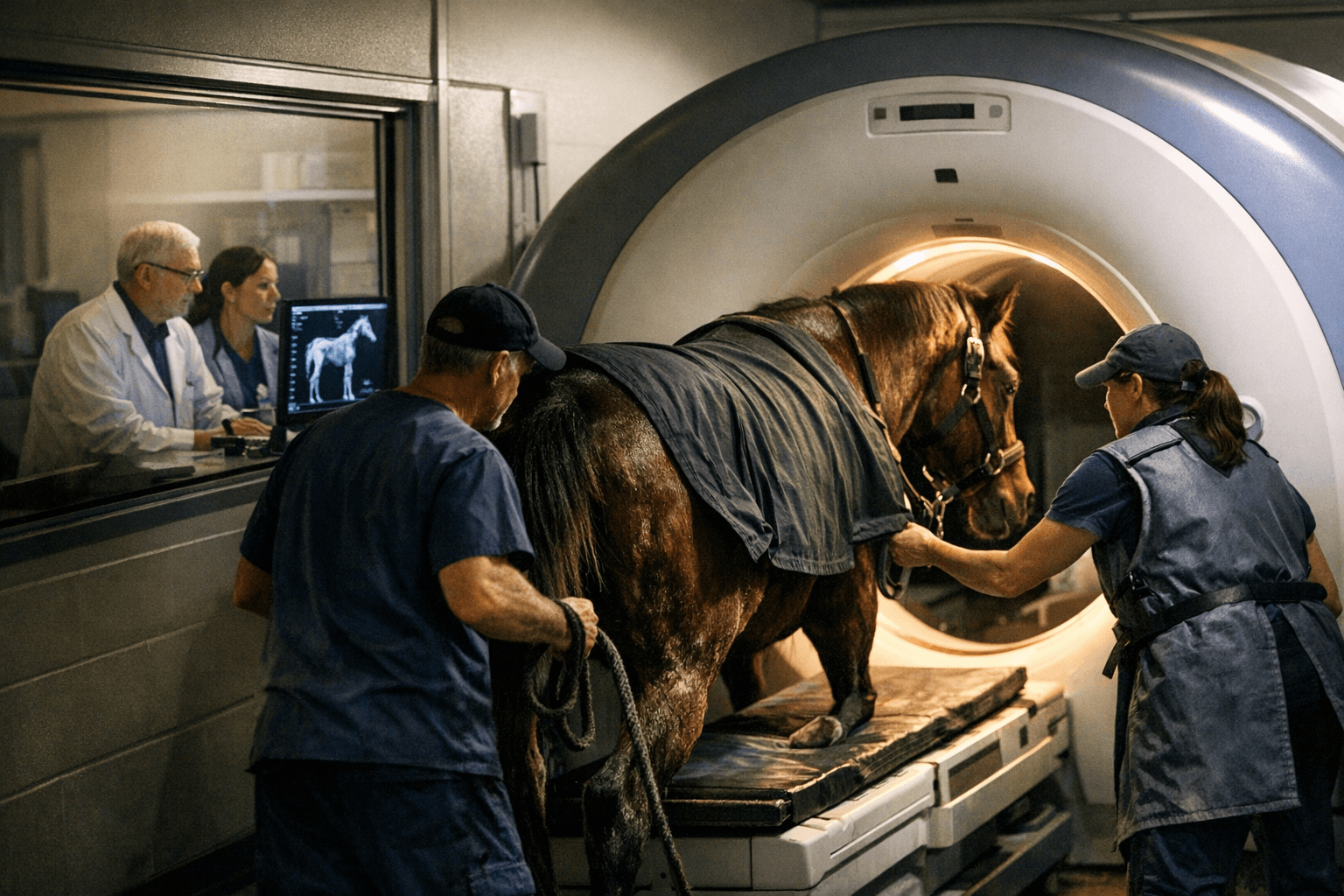
Gulfstream Park has instituted a new health-safety requirement mandating annual full-body nuclear scans for racehorses aged nine and ten. The policy, announced by Dr. Dionne Benson and Gulfstream staff on February 17, 2026, applies specifically to horses in those two age groups and makes the scans a year-to-year obligation for older competitors at the track.
The mandate is described by Gulfstream staff and Dr. Dionne Benson as a clinical step aimed at improving early detection of bone pathology in older racehorses. By specifying full-body nuclear scans and tying the testing to the nine- and ten-year-old cohort, Gulfstream is targeting the age range that staff and veterinary leadership identified as warranting heightened surveillance for skeletal issues.
Implementation will require trainers and connections of nine- and ten-year-old horses competing at Gulfstream Park to present annual nuclear scan results to track authorities, as outlined by Gulfstream staff. Dr. Benson and the track’s personnel framed the rule as a preventative measure; the annual cadence is intended to provide a consistent monitoring rhythm for each horse as it moves through the ninth and tenth years of life in the racing stable.
From a performance-analysis standpoint, the policy narrows the focus onto older runners whose racing histories and cumulative workload can coincide with bone pathology risk. Gulfstream’s requirement makes the presence or absence of scan-detected lesions a documented part of a nine- or ten-year-old horse’s record at the track, which trainers and handlers will now have to manage alongside entries and training plans.
The business implications are immediate for Gulfstream Park’s operational model. Annual full-body nuclear scans for nine- and ten-year-old horses add a procedural step to entry and pre-race clearance protocols that Gulfstream staff will oversee. Dr. Benson’s involvement in the announcement signals the track’s prioritization of veterinary input in policy-setting for older athletes.
Culturally, the mandate spotlights older racehorses at Gulfstream Park and positions the track as taking proactive measures on welfare for nine- and ten-year-old competitors. By instituting a targeted annual nuclear-scan requirement, Gulfstream staff and Dr. Dionne Benson are reframing how age-specific health surveillance is integrated into the routine oversight of racehorses at the track.
This article was produced by Prism’s automated news system from verified source data, official records, and press releases, then run through automated quality and moderation checks before publishing. The system is built and supervised by the people who set the standards it runs under. Read our full AI policy.
Did this article answer your question?