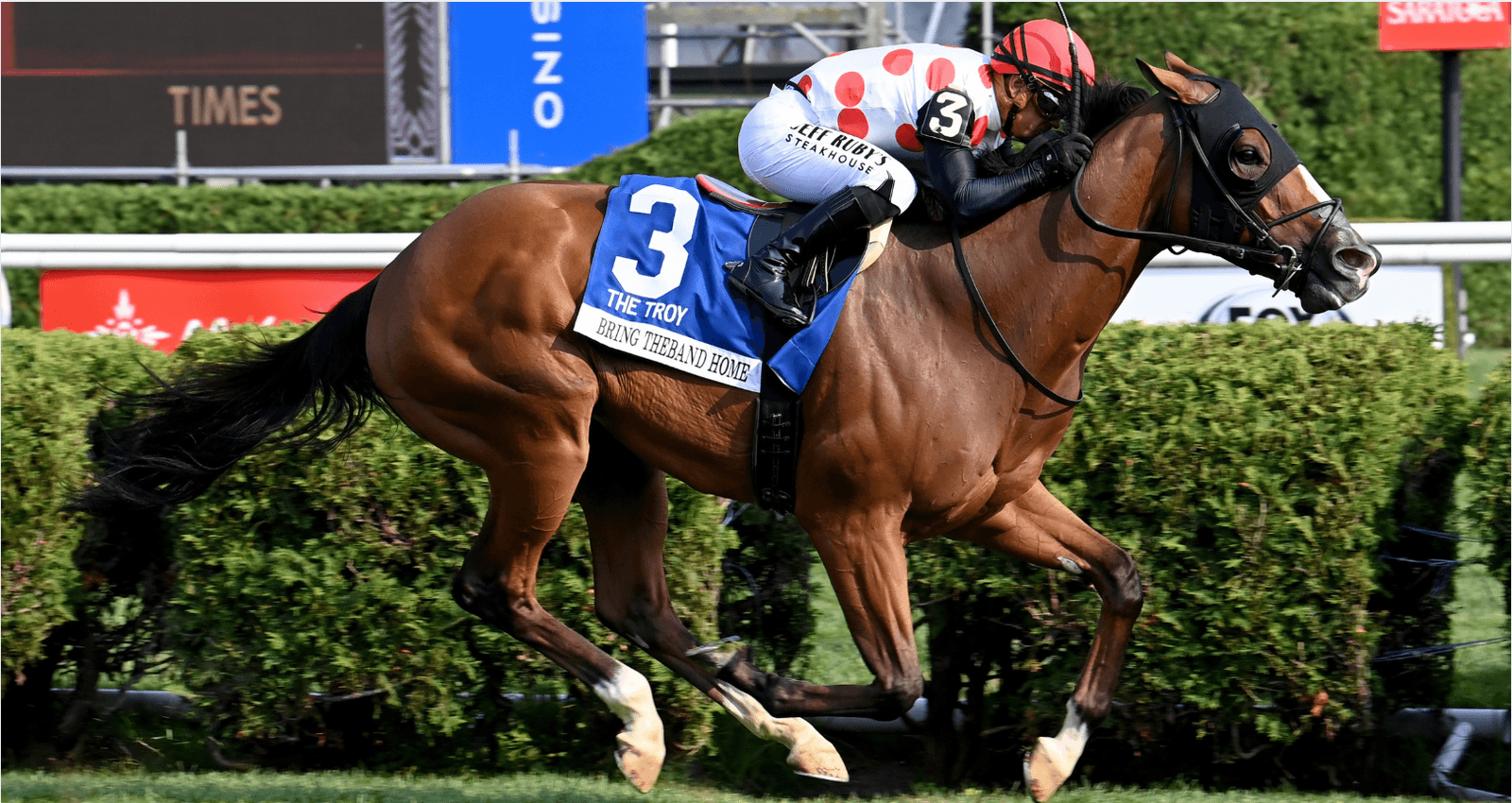
Hawthorne Race Course Files Chapter 11, Pursues 363 Sale Amid Industry Fallout
Frozen accounts at Signature Bank and a Churchill Downs judgment pushed Hawthorne Race Course into Chapter 11, threatening 250 jobs and Illinois' last major Chicago-area racetrack.
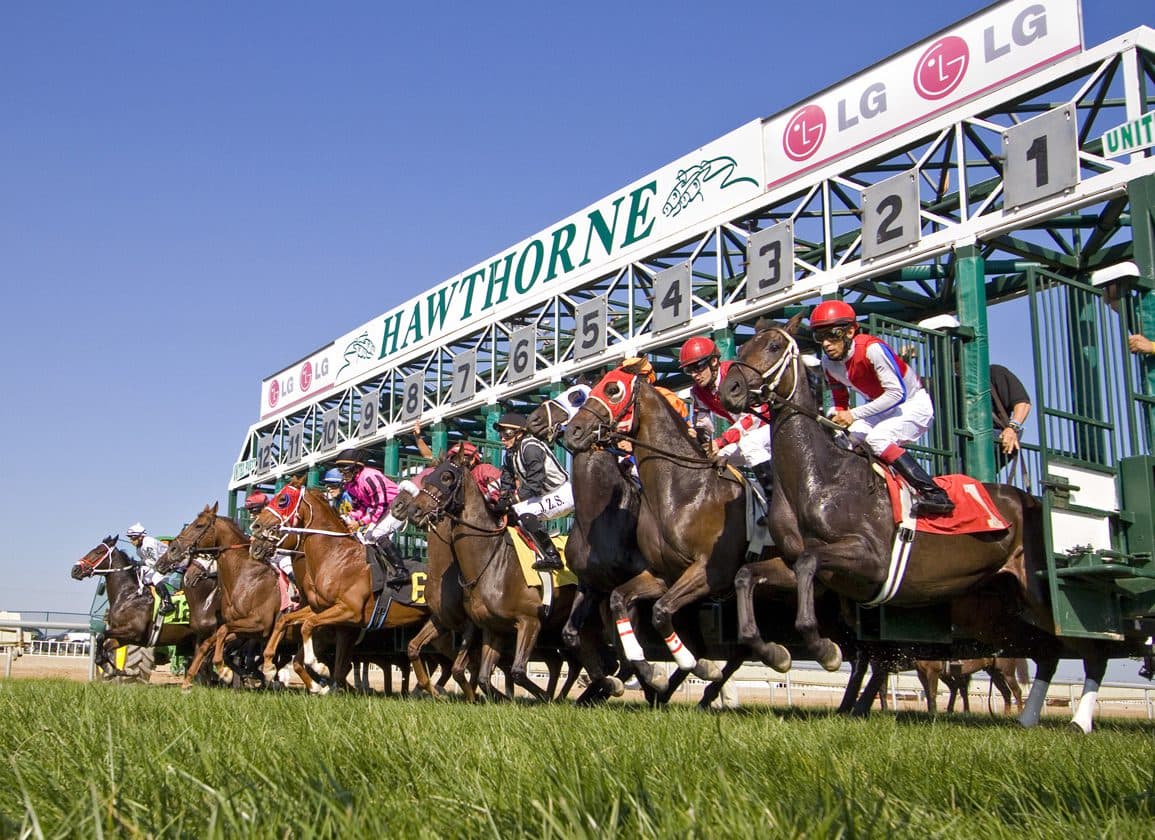
Signature Bank froze every operating account Hawthorne Race Course held, leaving the 135-year-old Chicago-area racetrack unable to cover payroll, horsemen's purses, utilities, or insurance. That freeze, compounded by a Churchill Downs judgment and a suspended harness racing license, forced Hawthorne Race Course, Inc. and three affiliated entities to file voluntary Chapter 11 petitions on February 27, 2026, in the U.S. Bankruptcy Court for the Northern District of Illinois.
The case, jointly administered under Lead Case No. 26-03505, was initially assigned to Judge Deborah L. Thorne, who recused herself on March 1. Chief Bankruptcy Judge Jacqueline P. Cox immediately reassigned the matter to Judge Timothy A. Barnes. The four entities in the filing are Hawthorne Race Course, Inc., Carey Heirs Properties, LLC, Suburban Downs, Inc., and Post Time Catering, Inc.
The liquidity crisis had been building before the petition date. A Citation to Discover Assets was issued on February 3, cutting off the debtors' access to their own revenue stream. Signature Bank, N.A., the senior secured lender owed approximately $51.6 million, declined to advance funds for any operating obligation. Terminated simulcast agreements and the suspended harness license accelerated the collapse.
To stabilize operations, the debtors secured a proposed $16 million debtor-in-possession term loan from Derby DIP LLC at a 13.0% note rate, with $12.6 million available on an interim basis. The financing is intended to fund the company through a Section 363 sale of substantially all assets, the primary objective stated in the filings. A recapitalization through a Chapter 11 plan remains an alternative if a willing investor emerges. CEO Timothy Carey, in a declaration filed with the court, put it plainly: "A reorganization is a possible avenue to restart operations if the debtors are able to come to an agreement with a party to recapitalize the debtors as part of a plan process for resolving the debtors' other liabilities."
No stalking-horse bidder has been announced, but PENN Entertainment and MGM Resorts International have both entered appearances in the case, signaling early interest in a process that could determine the fate of what one filing described as North America's oldest family-owned racetrack.
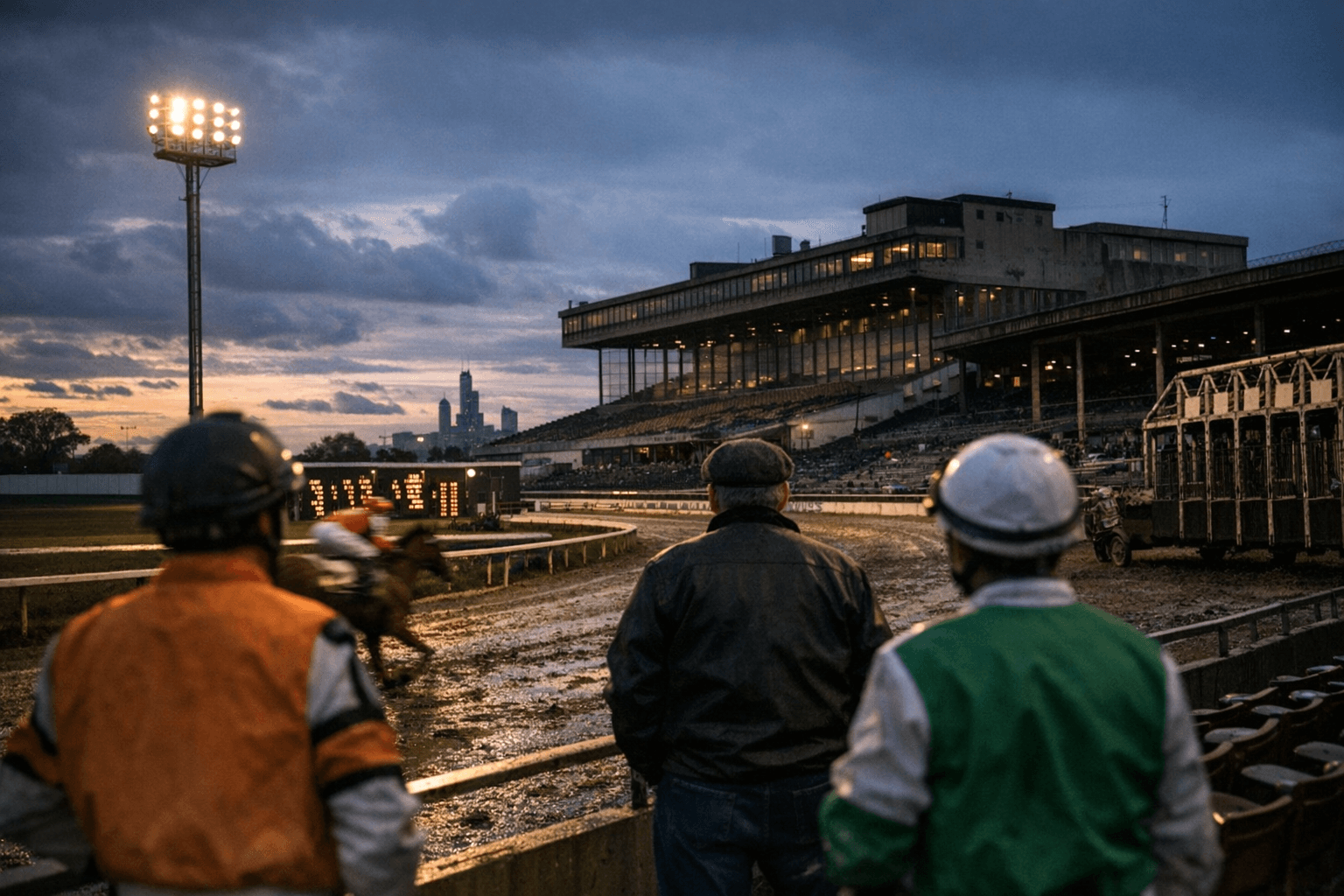
The court moved quickly on immediate relief. On March 12, Judge Barnes authorized $1,390,577 in thoroughbred purse payments and up to $750,000 for simulcast partners. Counsel for the Illinois Thoroughbred Horsemen's Association represented that ITHA members would participate in the thoroughbred meet beginning March 29 once funding was confirmed. Harness purse payments remained pending before the court as of that hearing.
The stakes extend well beyond the courtroom. If Hawthorne's operations permanently ceased, roughly 250 employees across its facilities would be affected. The track operates thoroughbred and harness meets on the same surface, runs off-track betting parlors, and holds both a racing license from the Illinois Racing Board and gaming and sports wagering licensure from the Illinois Gaming Board. Preserving those licenses is central to any going-concern sale value, because without them a buyer acquires little more than real estate.
Illinois racing has been contracting for years, providing grim backdrop for the bankruptcy. The state's total racing handle fell from $514 million in 2022 to $478 million in 2024, a figure described in court filings as a 40-year low. Chicago once supported six racetracks; today only Hawthorne and FanDuel Sportsbook and Horse Racing in Collinsville remain operating statewide.
The Section 341 meeting of creditors is scheduled for April 7, 2026, at 1:00 p.m. via Microsoft Teams. With total liabilities reported at more than $100 million, the pressure on unsecured creditors to engage early is significant, and the bidding procedures and any stalking-horse designation will likely define the case's trajectory long before a sale hearing is held.
This article was produced by Prism’s automated news system from verified source data, official records, and press releases, then run through automated quality and moderation checks before publishing. The system is built and supervised by the people who set the standards it runs under. Read our full AI policy.
Did this article answer your question?