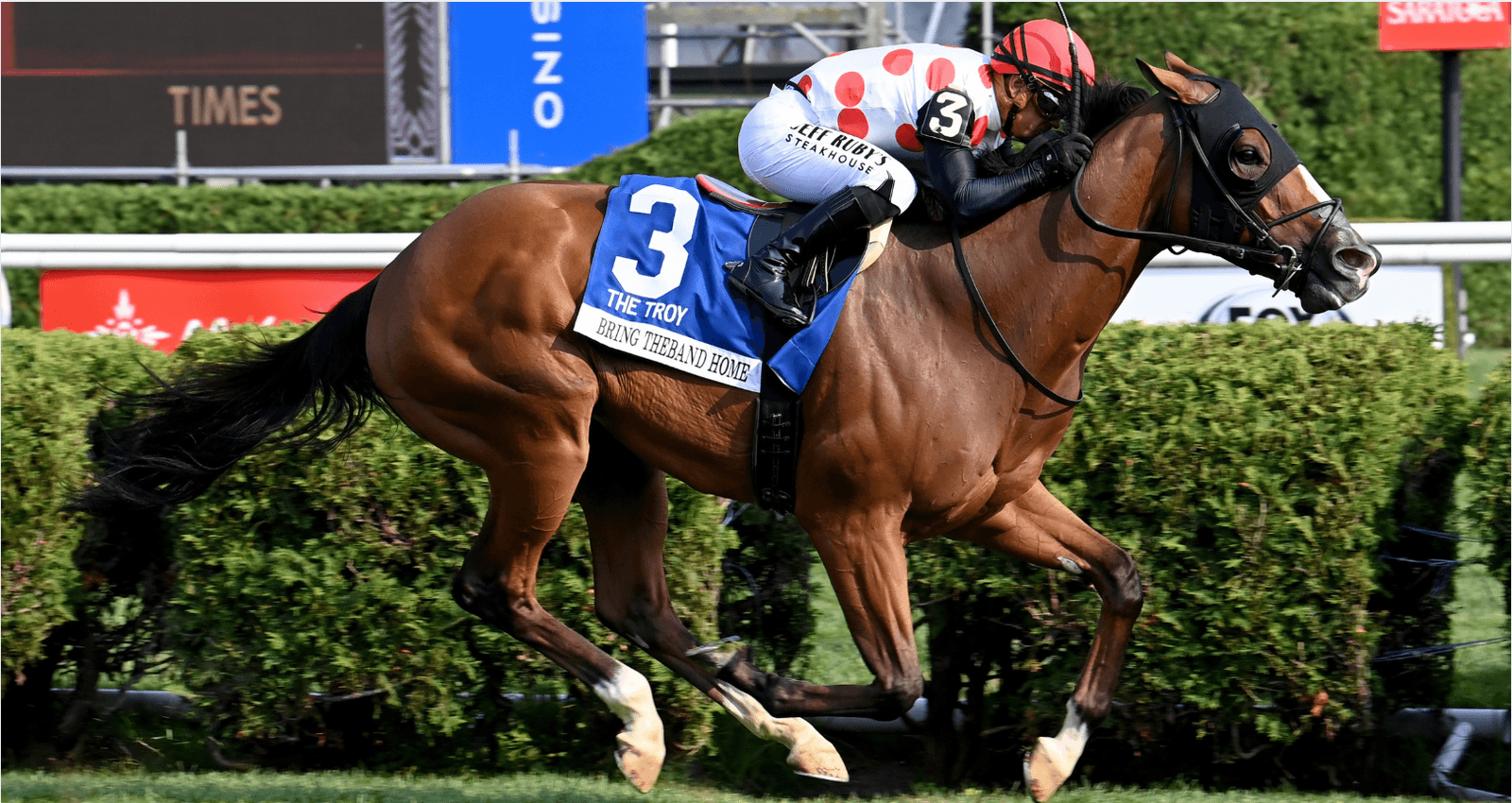
Hawthorne Race Course Files Chapter 11, Spring Meet Delayed to April
Hawthorne Race Course filed Chapter 11 on Feb. 27, and a federal judge unlocked nearly $1.4 million for Thoroughbred horsemen while pushing the spring meet to April 19.
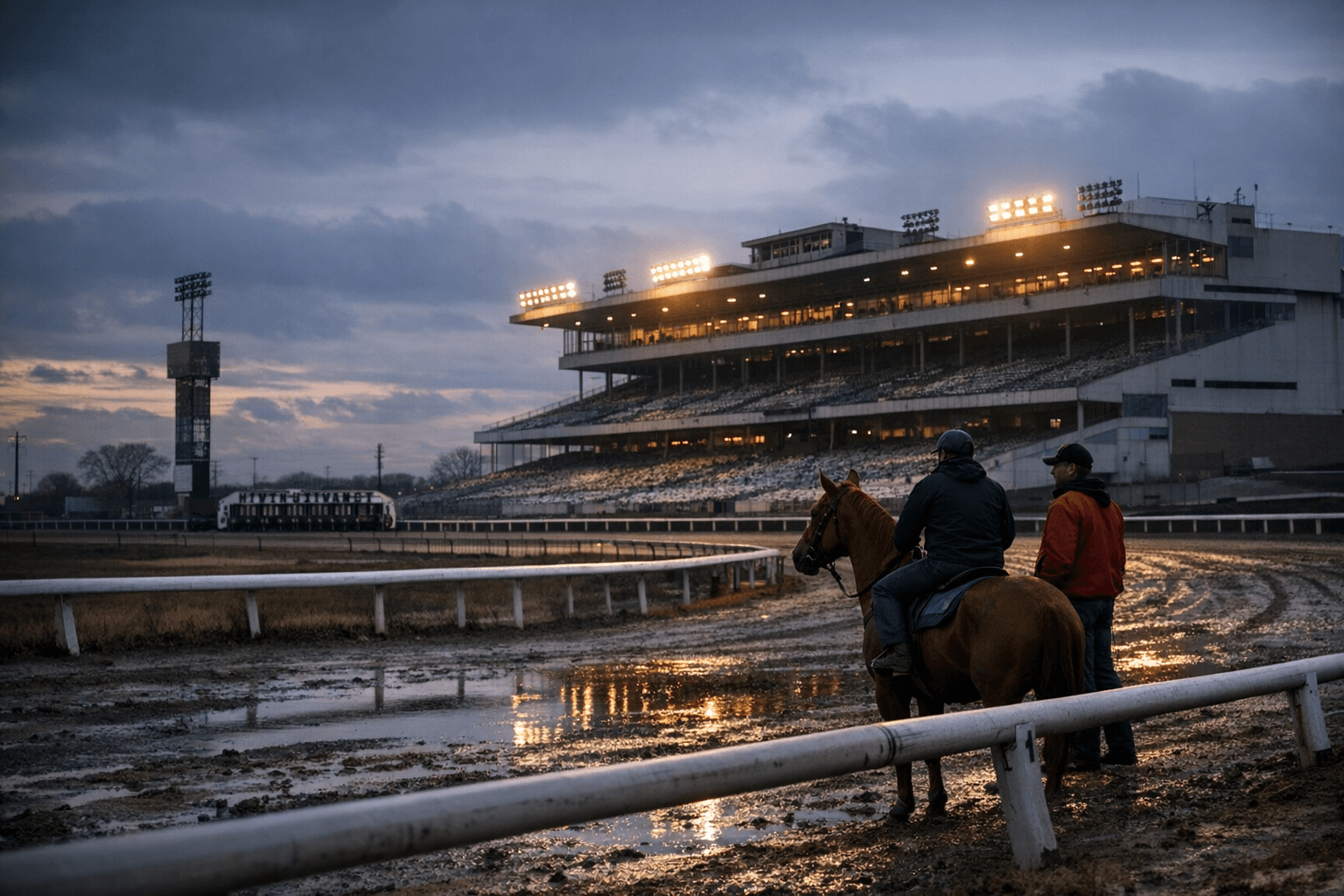
Hawthorne Race Course's bankruptcy case moved through three hearings in eight days before U.S. Bankruptcy Court Judge Timothy A. Barnes, with the Stickney, Illinois track clearing enough financial hurdles to keep its spring Thoroughbred meet alive, though at a significantly delayed start date and with harness horsemen still waiting on relief.
Judge Barnes approved access to $1,108,733 in overdue purse money for Thoroughbred owners and trainers, along with repayment of $281,844 in checks drawn on the purse account that bounced, bringing the total released to Thoroughbred horsemen to nearly $1.4 million. The judge had earlier authorized payroll funding for track employees and funds to begin converting the racing surface from Standardbred to Thoroughbred configuration. When asked from the bench whether horsemen qualify as critical vendors, Barnes answered his own question plainly: "I would say yes." He also stated, "I'm motivated to get the horsemen paid."
Despite that approval, the Illinois Thoroughbred Horsemen's Association cautioned that the precise timeline for distribution remained uncertain. "It's not yet clear when those funds will be available," the ITHA said in a statement to members. "We are cautiously optimistic, based on our conversations today, that this should occur within the next 10 days. More than $1.6 million exists between the bounced checks and existing thoroughbred accounts, so securing access to these funds represents a significant victory for our members."
The spring meet, originally scheduled to open March 29, will not begin before April 18 or April 19, pending approval from the Illinois Racing Board. The delay reflects how far behind the track conversion had fallen. David McCaffrey, executive director of the ITHA, told the court that the changeover from a Standardbred to a Thoroughbred surface had barely begun as of Monday, March 10, the same day the third hearing concluded. As recently as the prior week, Hawthorne officials had floated an early April target; that estimate proved unrealistic.
The financial deterioration underlying the Chapter 11 filing runs deeper than the immediate purse shortfalls. Hawthorne's Signature Bank account was frozen in December and January due to the bounced checks, and the track's monthly simulcast revenue has collapsed from $5 million to less than $1 million over the past 18 months, as unpaid track operators stopped sending their signals. That revenue loss has directly affected the 12 off-track betting parlors Hawthorne operates across the Chicago area. The track told the court it had begun contacting racetrack operators about the delinquent simulcast bills, and that several companies were close to restoring signals. Judge Barnes provisionally approved funding to pay simulcast providers who agree to restore service, calling it a key element of any budget capable of sustaining operations.
To bridge the gap, Hawthorne secured a $16 million debtor-in-possession financing commitment from private equity lender JDI Loans, though deployment of those funds requires court authorization at each step. The proposed operating budget filed in bankruptcy court calls for paying $1.4 million in returned checks to horsemen overall and another $2.4 million in unpaid purse money, figures that extend beyond the immediate Thoroughbred approvals and signal the scale of the restructuring still ahead.
Harness horsemen received no immediate relief from the court. Barnes said he legally could not approve such payments at this stage, accepting a creditor argument that the limited available funds should be channeled toward the imminent Thoroughbred meet. The ITHA had argued before the judge that owners and trainers on both sides should be made whole; that position did not prevail in the near term.
Longer-term, a Hawthorne attorney told the court that seven independent discussions had taken place in recent days with potential buyers or partners interested in developing the track as a racino. Tim Carey, connected to Hawthorne's ownership, has stated publicly that he remains committed to building and operating a racino as the vehicle for securing Thoroughbred racing's future in northern Illinois. Those talks are ongoing, with no terms or agreements disclosed.
This article was produced by Prism’s automated news system from verified source data, official records, and press releases, then run through automated quality and moderation checks before publishing. The system is built and supervised by the people who set the standards it runs under. Read our full AI policy.
Did this article answer your question?