HISA 2025 Metrics Show Progress on 2-Year-Old Fatalities and Scratch Rates
2-year-old racing fatalities jumped from 15 to 21 in 2025, even as HISA's overall rate held near 1.0 per 1,000 starts and Turf Paradise cut its fatality rate 88%.
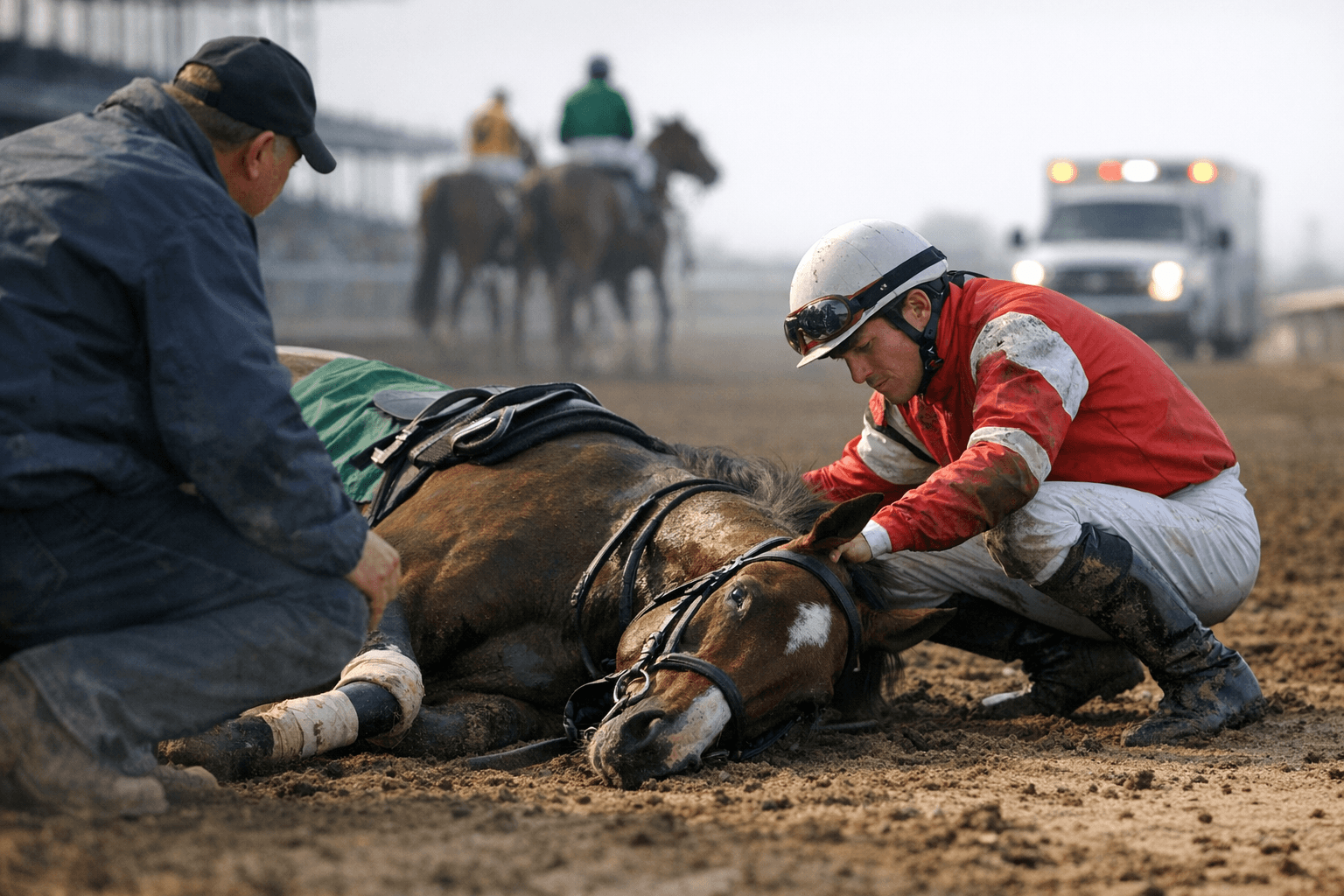
The number that stands out most in HISA's 2025 Annual Metrics Report isn't the headline fatality rate. It's 21. That's how many 2-year-old horses died in racing-related incidents last year, up from 15 in 2024, a 40% jump in the most vulnerable age group on the track. HISA is examining whether the increase in the raw number of such cases reflects any meaningful differences in horse backgrounds or management practices. Paulick Report columnist Chelsea Hackbarth synthesized the full report alongside The Jockey Club's Equine Injury Database data in an analysis published March 24, 2026, putting both the progress and the unresolved questions in sharp relief.
In 2025, racetracks operating under HISA rules recorded 1.04 racing-related equine fatalities per 1,000 starts, a sustained reduction from pre-HISA benchmarks and a nearly 50% decline since national reporting began in 2009 by The Jockey Club's Equine Injury Database. That marks a modest step back from 2024's record low of 0.90, but the 24-month picture is still compelling: over the past 24 months, the racing-related fatality rate remains unprecedentedly low at 0.95 fatalities per 1,000 starts.
HISA determined that 71,443 unique covered horses either recorded a published workout or made a start in a covered horserace in 2025, meaning the total racing- and training-related fatality rate for the covered-horse population was 0.51%. Put another way, 99.90% of Thoroughbred racehorse starts occurred without a fatality within 72 hours of racing due to race-related injuries.
The cause breakdown tells a familiar structural story. Musculoskeletal injuries accounted for 88.1% of racing fatalities and 77.9% of training fatalities in 2025, while sudden death made up 9.6% of racing fatalities and 14.7% of training fatalities. On the training side, racetracks operating under HISA rules reported 0.55 training-related deaths per 1,000 workouts in 2025.
The report's track-level findings are where cause and effect get clearest. At Saratoga Race Course, HISA's analysis compared horses that sustained fatal injuries to other horses in the same races or workouts, revealing that horses that died had significantly higher rates of high-speed exercise in the six to ten months preceding the fatal event. That finding carries direct implications for how trainers and veterinarians manage workload heading into major meets. The report underscores the importance of monitoring the behavior, performance and soundness of horses participating in intense high-speed exercise and of adjusting training and racing intensity to mitigate injury risk.
The most dramatic single-track story belongs to Turf Paradise. The Arizona facility collaborated with HISA over several months to institute practices designed to reduce equine fatalities. The result: a racing fatality rate of 0.19 per 1,000 starts in 2025, an 88% drop from its 2024 mark of 1.57, following a HISA-directed remediation plan implemented in coordination with the Arizona Department of Gaming. Thistledown, flagged in the third-quarter metrics report, saw a different kind of intervention: HISA deployed veterinary and operational experts to bolster oversight during the 2025 meet.
Additional key metrics include a 24.8% year-over-year decrease in use of riding crop violations and a 13.6% scratches per entry rate in 2025 compared to 13.4% in the prior year. The scratch rate figure warrants context: the third-quarter report had pegged the average at 14.7% per entry, roughly consistent with the 2024 third-quarter rate of 14.8%, reflecting how annual and quarterly windows can produce different snapshots of the same underlying trend.
Analysis of national data continues to show a recurring rise in racing-related fatalities near the end of seasonal meets; HISA is further evaluating potential contributing factors and urges industry stakeholders to remain vigilant through the racing calendar. That pattern, combined with the uptick in 2-year-old deaths, gives HISA's safety apparatus two specific targets heading into 2026. The Turf Paradise turnaround proves a directed intervention can move numbers dramatically; the question now is whether the same rigor can be applied to younger horses before the starting gate, not after.
"Our mission is clear: to make Thoroughbred racing safer for horses and riders while safeguarding the integrity and future of the sport," said HISA CEO Lisa Lazarus. "The data contained in this year's report shows that uniform national safety standards are working.
This article was produced by Prism’s automated news system from verified source data, official records, and press releases, then run through automated quality and moderation checks before publishing. The system is built and supervised by the people who set the standards it runs under. Read our full AI policy.
Did this article answer your question?