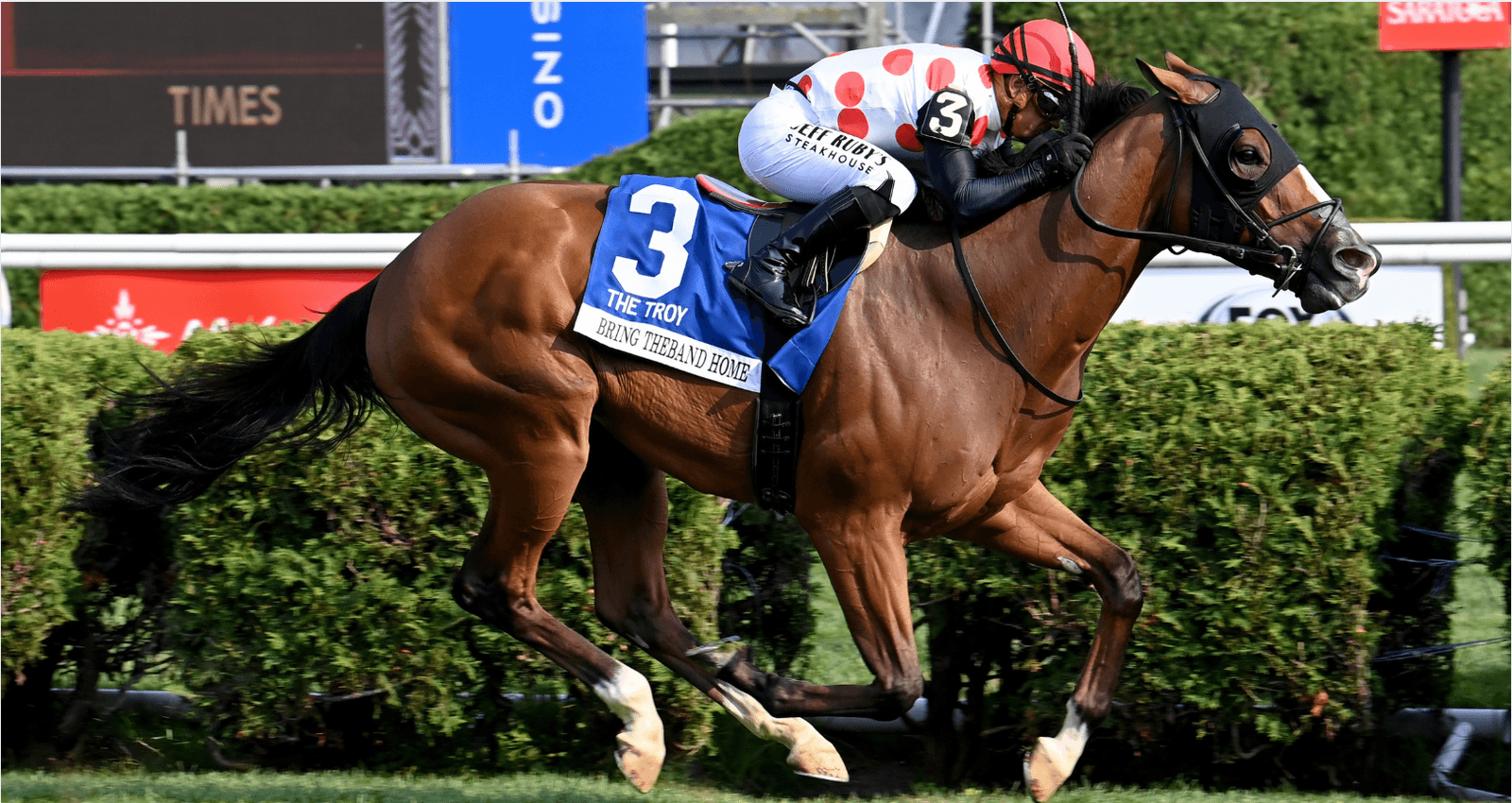
Historical Kentucky Derby trends boost Commandment's Derby case
Commandment looks like more than a trend story: his pace profile and points fit real Derby patterns, while some popular angles remain mostly noise.
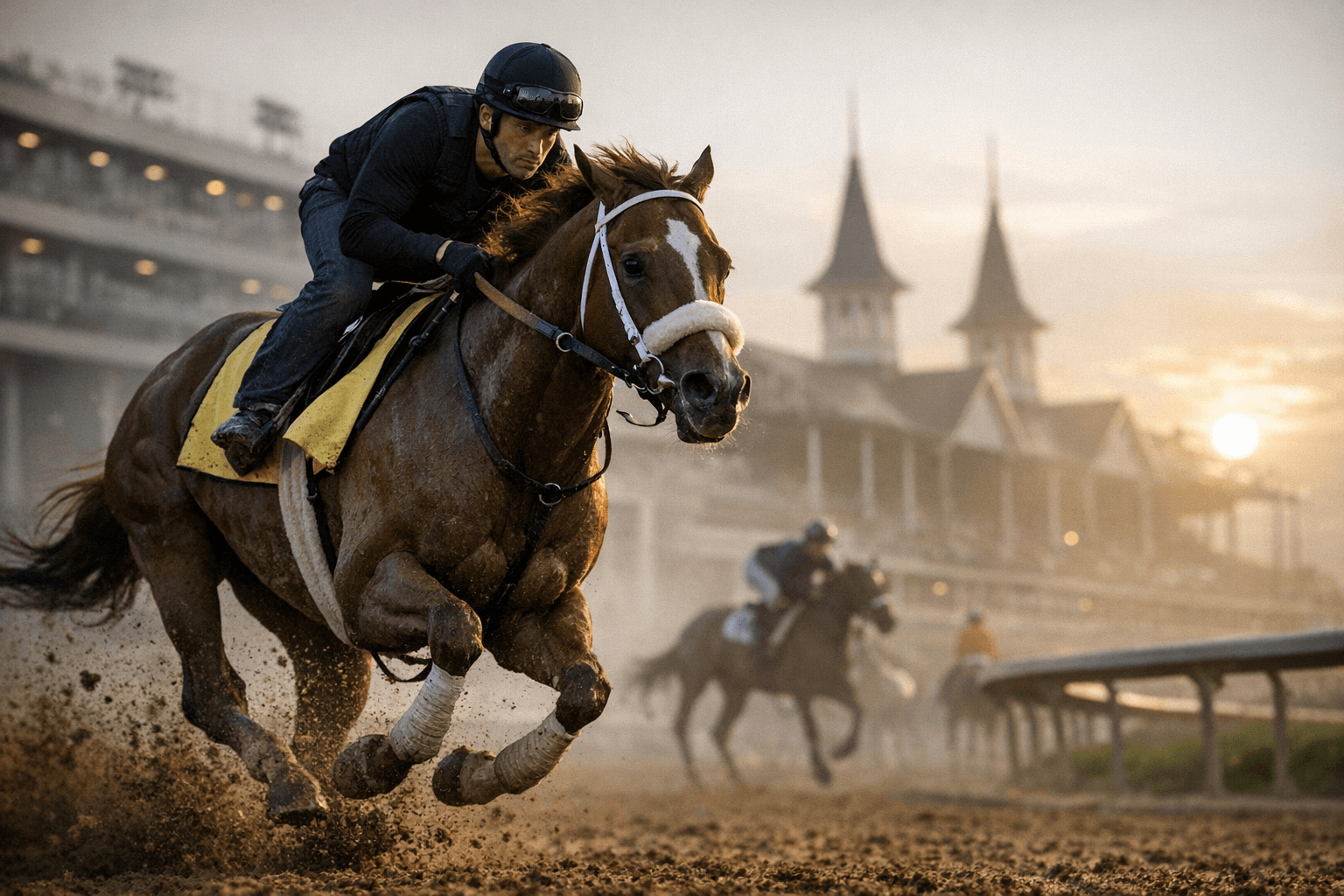
Commandment checks the historical boxes that matter
Commandment’s Derby case is getting stronger for reasons that go beyond momentum graphics and talk-show buzz. The Brad Cox trainee has already answered one of the hardest questions in the prep season by winning the Coolmore Fountain of Youth Stakes by a neck over Chief Wallabee, and he has done it with the kind of tactical profile that tends to travel in the Kentucky Derby.
That matters because the Derby has spent 151 runnings teaching the same lesson in different forms: the race rewards horses who can secure position without burning too much energy early. BloodHorse’s historical-trends analysis points to tactical speed as a useful edge, and Commandment’s recent form fits that idea better than the average late-closing hype horse that gets overbet every spring.
Why this trend feels predictive, not promotional
The most useful historical angle is the one tied to running style, not pageantry. Horses racing in the front half of the field after the opening half-mile have won 11 of the last 16 Kentucky Derbies, including seven who were first, second or third after a half-mile. That is not a throwaway statistic, because it reflects how Derby traffic, pace pressure, and the Churchill Downs stretch can punish runners who are forced to do too much too late.
That said, not every historical trend deserves the same weight. A long Kentucky Derby history, first run in 1875, creates a lot of mythology around far-off patterns and romantic handicapping theories. The real signal is more practical: horses with enough speed to hold position, but enough stamina to finish, repeatedly outrun those trying to come from too far back against a 20-horse, high-chaos field.
Commandment’s numbers say he belongs in the top tier
The form cycle around Commandment is as important as the trend fit. After the Fountain of Youth, NTRA reported that he had won three of four lifetime starts, a clean record for a colt still climbing toward the first Saturday in May. That same organization ranked him No. 2 in its Top 3-Year-Old Poll on March 2 with 253 points, then had him leading the Kentucky Derby leaderboard on April 6 with 150 points.
That leaderboard position is not just a bragging-rights stat. It tells you that Commandment has already banked enough points to be more than a sentimental sleeper, especially with the qualifying season tightening and the final major preps reshaping the order. He is not merely trending upward because people like the story. He is trending upward because he has won a key two-turn race, kept himself in the points race, and done enough to stay near the top as the Derby field sorts itself out.
Further Ado, the final preps, and the race for the gate
Commandment’s hold on the top spot was still narrow, and that is where the rest of the field matters. On April 6, NTRA said Further Ado had moved to 135 Derby points after an 11-length victory in the Toyota Blue Grass Stakes. That kind of blowout will always generate noise, and it should, because the Blue Grass remains one of the final major 100-point preps that can redraw the board in a hurry.
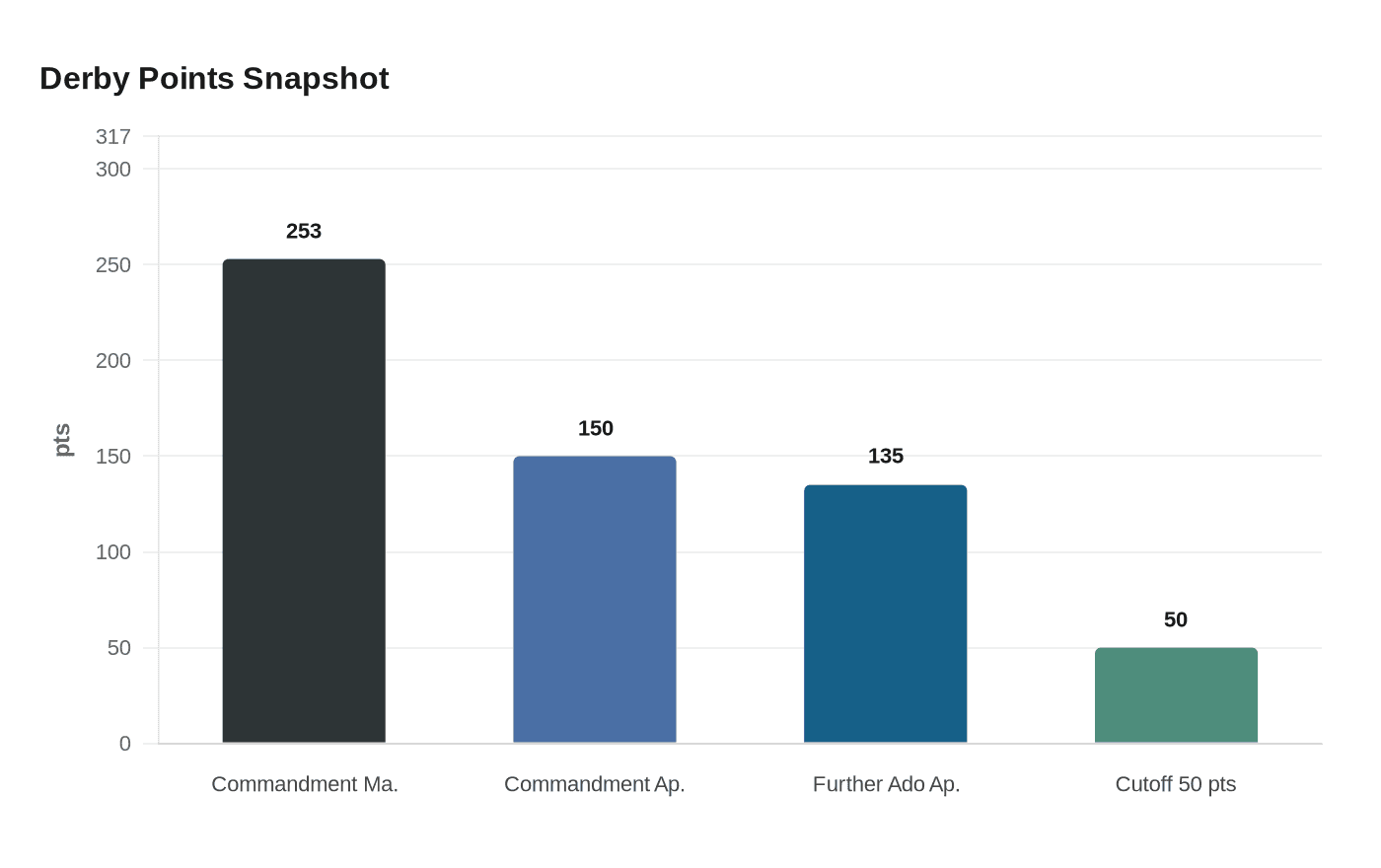
Churchill Downs made the shape of the path clear when it noted that the Blue Grass, Wood Memorial and Santa Anita Derby were the last major 100-point preps feeding the Derby picture. It also said there was an 89 percent mathematical chance the cutoff for the top 17 starters would be 50 points, which is the kind of threshold that turns every remaining prep into a pressure test rather than a formality. In practical terms, that means Commandment’s position matters not only because he looks like a contender, but because he already sits in the safe zone where the field begins to narrow.
The Derby-day setup is already sharpening
The 152nd Kentucky Derby is scheduled for Saturday, May 2, 2026, and Churchill Downs has set gates to open at 9 a.m. ET with first post at 11:00 a.m. ET. The race will be capped at 20 runners, plus any also-eligible horses, and the post-position draw is scheduled for April 25. Those details matter because the Derby is not just a race; it is a one-day business machine, a national sports event, and a logistical exercise that changes the way trainers, bettors, and owners think about pace, draw, and trip.
For Commandment, the draw could be the next major separator. A horse with tactical speed becomes even more dangerous if he lands in a gate that allows Irad Ortiz, Jr. to secure position early without getting forced into traffic or losing ground. In a race where the opening half-mile can define the whole afternoon, post position is not everything, but it can sharpen the edge that a trend already suggests.
The breeding conversation adds context, but not a shortcut
BloodHorse’s broader Derby coverage also pointed to a feature on four sires set to break through with their first Derby runners, adding another layer to the breeding conversation. That angle speaks to how modern Derby coverage has evolved: fans no longer just track the fastest work tab or the flashiest prep, they also watch bloodlines as a clue to what kind of horse will handle the mile and a quarter.
Still, pedigree talk can drift into hype if it is not tied to performance. First-time Derby sires are interesting because they can reveal emerging breeding influence, and the industry pays attention when new names start showing up in the gate. But breeding trends do not override the more durable indicators already in front of everyone: speed that is usable, a prep record that holds up under pressure, and enough points to survive the final cut.
The real read on Commandment
Commandment’s case is strongest where history and performance overlap. He has the tactical speed pattern that Derby winners often share, he has already passed a two-turn test, and he sits atop the points standings while the field still takes final shape. That combination gives him more than hype, because it aligns with the kind of horse the Derby has repeatedly rewarded.
The lesson from the trends is not that Commandment is automatic. It is that the numbers supporting him are the ones that have actually mattered in Derby after Derby. In a race famous for chaos, that kind of profile is as close as handicappers get to a stable edge.
This article was produced by Prism’s automated news system from verified source data, official records, and press releases, then run through automated quality and moderation checks before publishing. The system is built and supervised by the people who set the standards it runs under. Read our full AI policy.
Did this article answer your question?