Horse racing’s equal ground, women still chase breakthrough wins
Cherie DeVaux’s Derby breakthrough highlights horse racing’s rare equality, but the rider ranks still skew sharply male and ride opportunities do too.
A sport where the rulebook is already level
Cherie DeVaux’s Kentucky Derby win with Golden Tempo at Churchill Downs in Louisville, Kentucky, did more than add a new name to the record book. It put a woman at the center of horse racing’s oddest contradiction: this is one of the few sports where women and men already compete for the same purses, the same awards, and the same finish line.
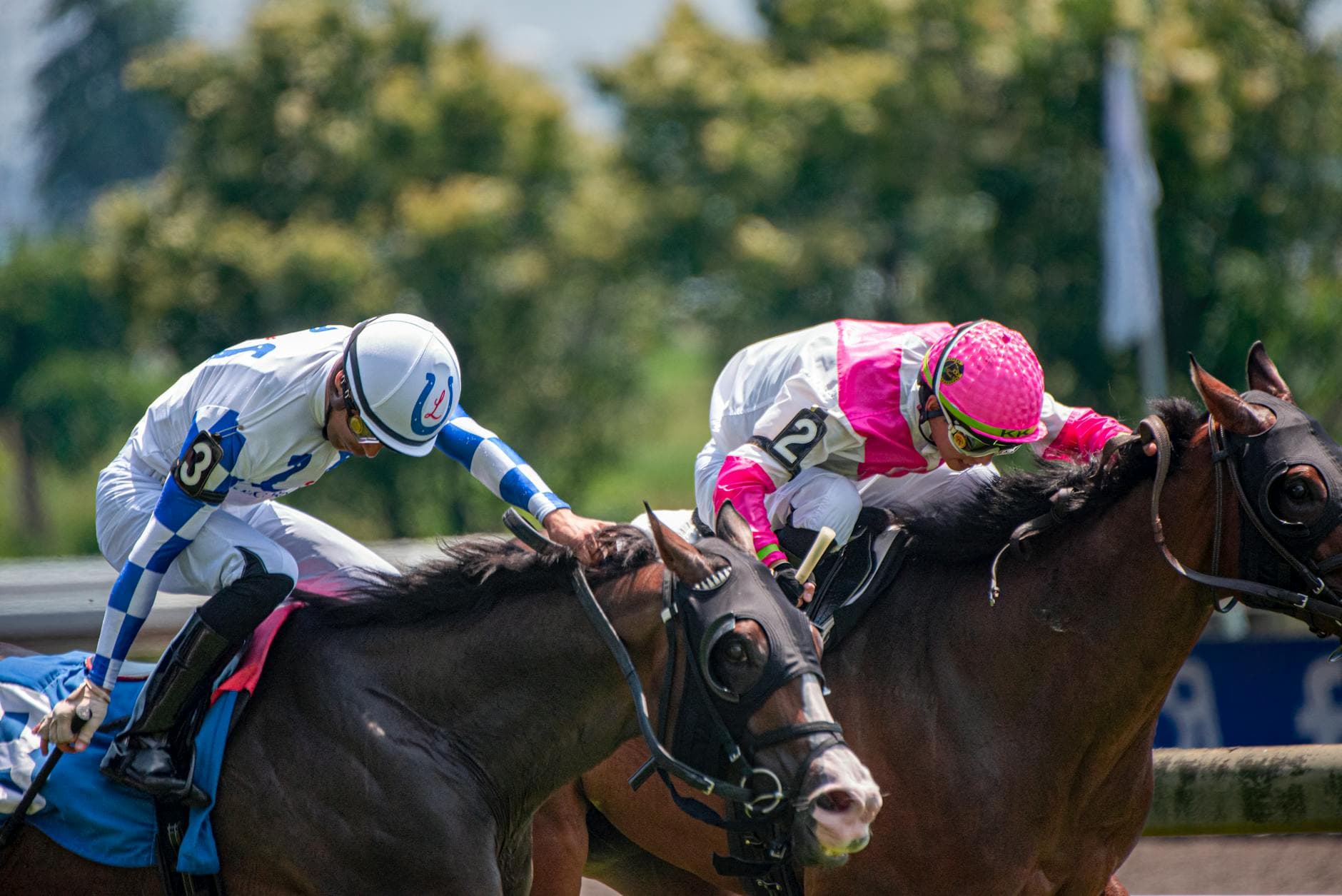
That is the built-in equalizer that sets racing apart. Researchers have described American horseracing as the only major professional sport in the country where female and male athletes compete directly on a regular basis. The sport does not split its most visible contests by gender, which is why every breakthrough resonates beyond one barn, one race, or one Derby day.
How the gate opened, and how late it took
The modern era began with legal resistance, not goodwill. Kathy Kusner won the right to a jockey’s license in 1967 after suing the Maryland Racing Commission under the Civil Rights Act. Her case was a doorway, not a full arrival, but it changed what was possible in the sport.
Diane Crump followed with two history-making steps of her own. In 1969, she became the first woman to ride professionally in a horse race. A year later, she became the first female jockey to ride in the Kentucky Derby. That sequence matters because it shows how recent the barrier really was. Britain did not permit women to ride in races until 1972, another reminder that racing’s current openness is a relatively new development rather than some long-standing norm.
Equal terms do not mean equal opportunity
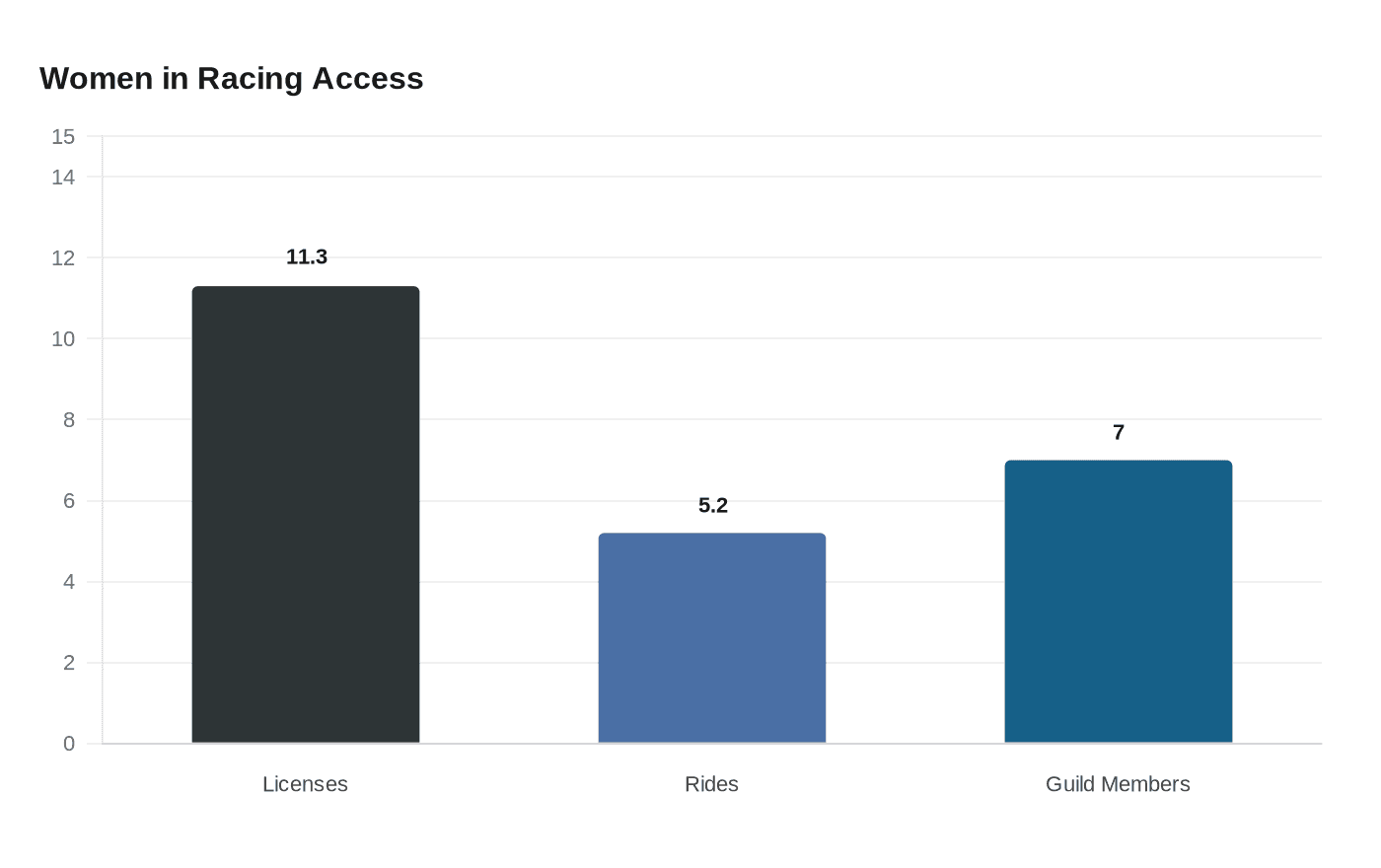
The sport’s rulebook is open, but the opportunity sheet is not evenly filled out. A 2018 British Horseracing Authority release said women held 11.3% of professional jockey licenses in the study period, yet they received only 5.2% of available rides. The same release said that once the quality of the horses they were riding was factored in, the performance of female jockeys was essentially no better or worse than that of male jockeys.
That distinction is the heart of the problem. If women are getting fewer mounts, they are getting fewer chances to earn, to build a profile, and to be trusted with better horses. Recent reporting has put women at about 7% of active Jockeys’ Guild members in the United States, which shows that the imbalance is not just a British issue.
An AEA paper on gender and jockey success makes the same point from another angle. It describes American horseracing as the only major professional sport where women and men compete directly on a regular basis, and it found that female jockeys’ in-the-money probability was not significantly different from male jockeys after controls were applied. Even so, female jockeys continued to receive fewer mounts. In racing, access to the ride is the gatekeeper.
The milestones that keep resetting expectations
That is why each first becomes a story that reaches far beyond the race result itself. Julie Krone remains the first woman to win the Belmont Stakes, a milestone that still stands as one of the sport’s clearest proof points that the ceiling in racing is not set by sex.
The trainer side of the sport has delivered its own landmarks. Jena Antonucci became the first woman to train a horse that won a Triple Crown race when Arcangelo captured the Belmont Stakes on June 10, 2023. That mattered because it widened the conversation beyond the saddle and into the barn, where training decisions, owner relationships, and elite race placement shape the entire business.
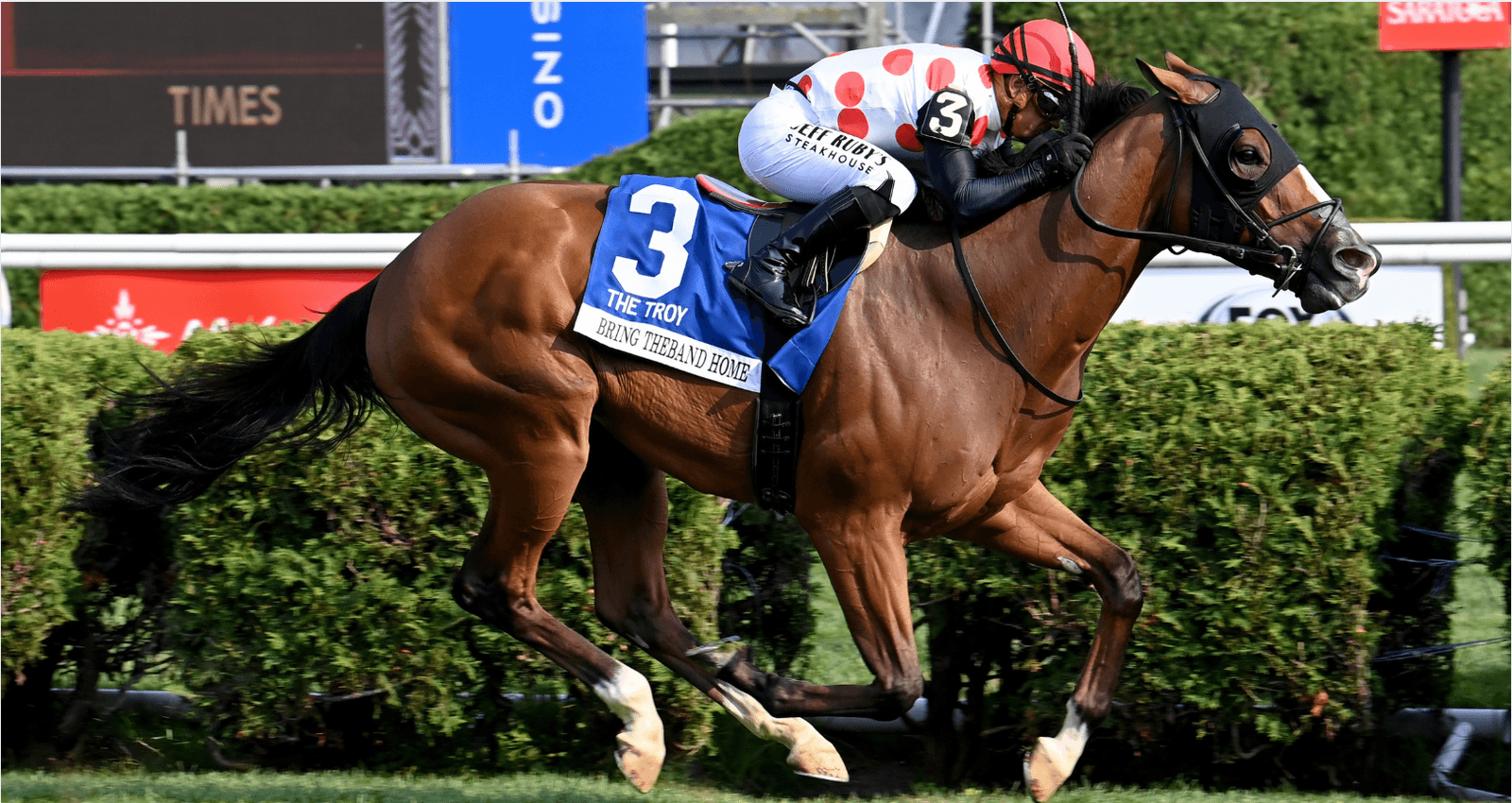
DeVaux’s Derby victory pushed that arc even further. By becoming the first woman to train the Kentucky Derby winner when Golden Tempo won the 152nd Run for the Roses, she inserted a new name into the sport’s most visible winner’s circle. The achievement was not just symbolic. It showed that women are no longer only fighting to ride in the race, but also to shape the horses that can win it.
Why racing got here first, and why the gap remains
Horse racing looks progressive on paper because it never built separate men’s and women’s divisions for its top competition. That is the rare part, and it is worth protecting because it offers a direct, built-in model of competitive equality. The rider and the trainer are judged by the same clock, against the same field, for the same money.
But the persistent underrepresentation of women shows that formal equality is only the beginning. The sport’s bottleneck sits in horse access, ride allocation, and career advancement. A woman can be allowed into the race and still be shut out of the mounts that lead to bigger wins, better earnings, and the kind of visibility that turns a good year into a career-changing one.
That is why racing’s women keep making history in steps rather than in one clean break. Kusner forced the door open, Crump walked through it, Krone proved the finish line was reachable, Antonucci changed the training ledger, and DeVaux brought the breakthrough to Derby day itself. The sport has already solved the question of whether women and men can compete on the same terms. The remaining test is whether the industry will keep turning that rulebook equality into real opportunity.
This article was produced by Prism’s automated news system from verified source data, official records, and press releases, then run through automated quality and moderation checks before publishing. The system is built and supervised by the people who set the standards it runs under. Read our full AI policy.
Did this article answer your question?