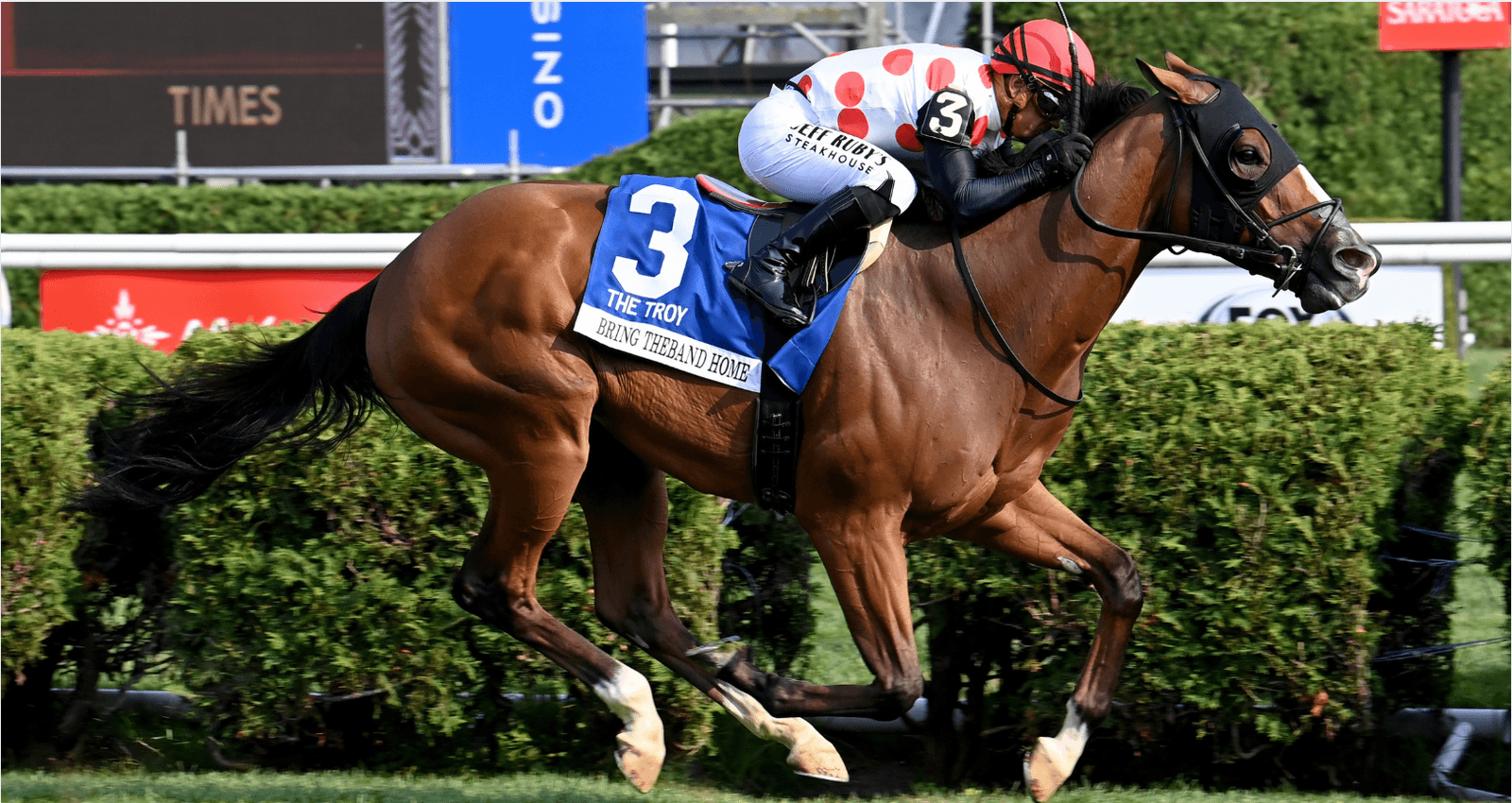
How to Read Pre-Race Workouts and Breezes During Derby Prep Season
Workout times published on the worktab are your clearest window into a Derby contender's fitness; here's how to decode every furlong, bullet, and breeze.
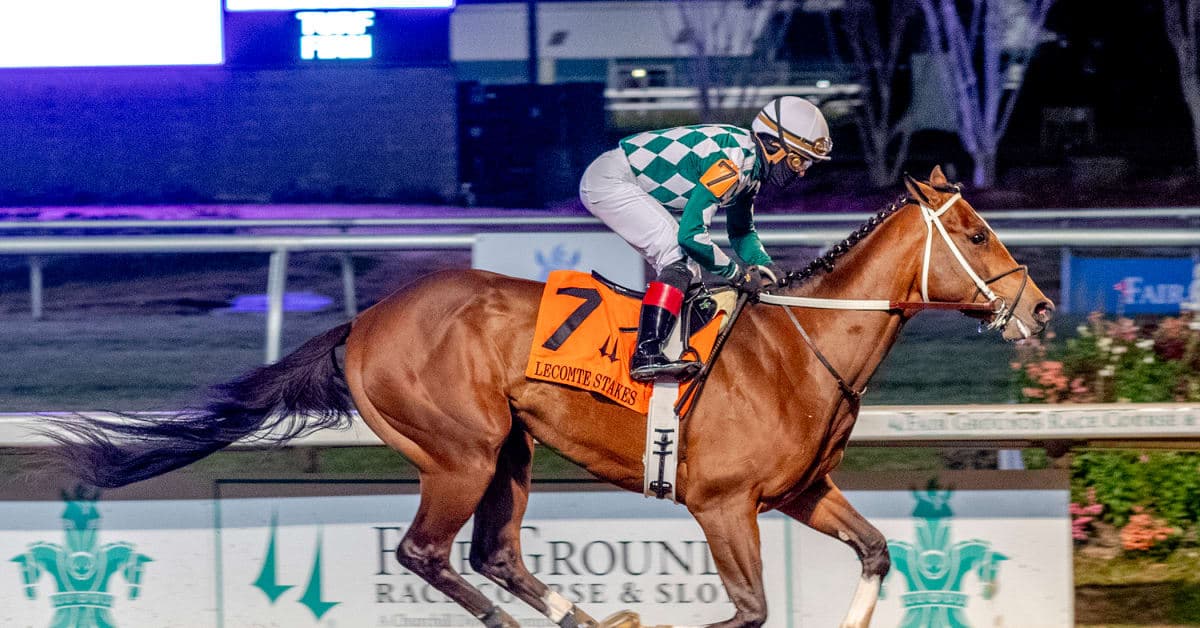
Published workouts, commonly called "works" or "breezes," are among the clearest public windows into a young horse's fitness, tactical readiness, and potential to stretch out in distance during Kentucky Derby prep season. Knowing how to read them transforms a line of numbers on a worktab into a genuine scouting report.
What a Breeze Actually Is
A breeze is a timed workout in which a horse is asked to run at a controlled but strong pace, often just shy of full speed. The idea is to build conditioning, develop muscle, and evaluate fitness without going flat-out. More broadly, a workout is a timed exercise session usually held in the days leading up to a race, designed to maintain a horse's fitness and sharpness. The two terms overlap significantly in practice: every breeze is a workout, but not every workout rises to the intensity level of a breeze.
The distinction matters because training during Derby prep season is about far more than raw cardiovascular work. It involves refining performance, managing soundness, and preparing for race day across multiple dimensions at once. Breezes and other workout types are essential tools trainers use to evaluate readiness, sharpen conditioning, and keep horses mentally engaged.
How a Breeze Is Run
Breezing workouts take place in the morning at the racetrack. Horses are brought out in lighter, less restrictive tack than they would wear on race day, a small but deliberate detail that keeps the session distinct from full competition conditions. The goal is for the horse to run smoothly and comfortably at a fast pace with minimal urging from the rider.
Horses are typically breezed without the use of a whip, and the jockey or exercise rider often sits quietly, allowing the horse to set its pace. When a horse breezes, it is moving comfortably "under its own power," meaning the rider is generally not pushing or urging aggressively. It is meant to be smooth, efficient, and professional. This lack of rider encouragement is precisely what separates a breeze from a handily workout, where the horse is encouraged by the rider to run at a faster pace. Understanding that distinction helps explain why two horses can post similar clock times but tell very different stories: one coasted, the other was asked.
Reading the Numbers: Furlongs, Clockers, and the Worktab
Workouts are timed by track clockers and reported in furlongs, with one furlong equal to one-eighth of a mile. So when you read that a horse "breezed four furlongs in :48 flat," that means the horse covered half a mile in 48 seconds. A three-furlong line reading :36.80 covers three-eighths of a mile in just over 36 seconds. Those are the two most common reporting formats you will encounter on a published worktab.
Times during a breeze are an important indicator of a horse's fitness level and potential. The workout is usually measured in fractions of a second per furlong, and faster breezes generally indicate a higher level of readiness. However, trainers also examine how the horse moves and its overall demeanor during the breeze, not just the final clock. A horse that posts a sharp time while appearing relaxed and well within itself communicates something different from one that grinds to the same number under visible strain.
The Bullet Work: What That Dot Next to the Time Means
The single most attention-grabbing entry on any given morning's worktab is the bullet work. If a horse posts a bullet, it recorded the fastest breeze at that distance among all horses working that day. For example, if 35 horses worked four furlongs that morning and one horse was the quickest, its time is listed as a bullet, often marked with a dot (•) next to the number.
A bullet is a meaningful signal, but context matters. A bullet at a small training track on a light morning carries less weight than one posted at a major prep venue against dozens of competitors. During Derby prep season, when barns concentrate at tracks like Churchill Downs and Keeneland, a bullet among a large field of three-year-olds is legitimately significant.
Typical Distances and Frequency
Trainers design breezes around where a horse is in its training arc. Breezes can range from two to six furlongs, with three- to five-furlong breezes being the most common, and trainers choose the distance and pace based on the horse's fitness level and upcoming race plans. Prep season work for Kentucky Derby candidates tends to concentrate on four- and five-furlong efforts, distances that stress the horse enough to reveal stamina and speed without the recovery toll of a longer blow-out.
Frequency follows a similar logic. Breezes are typically the timed, higher-effort work done once a week or so, depending on where the horse is in training. Between breezes, horses jog, gallop, and rest. That once-a-week rhythm, when it appears consistently on the published worktab, tells you a barn is on a predictable schedule heading into a target race.
What Trainers and Jockeys Learn
The primary objective of breezing is to get the horse in shape for competitive races. It allows trainers and jockeys to monitor how the horse responds to speed and how well it recovers afterward. Recovery is an underrated data point: a horse that breezes briskly and walks back to the barn breathing easily is showing something different from one that takes twenty minutes to settle.
By tracking these workouts systematically, trainers can develop a fitness plan that gradually builds the horse's stamina and ensures it reaches peak condition for race day. During Derby prep season specifically, workouts serve an additional function: they provide evidence that a horse, often being asked to tackle longer distances than it has faced before, has the physical and mental capacity to stretch out. A colt that drilled five furlongs in sharp time with energy in reserve is making a case for the mile-and-a-quarter demand of Churchill Downs.
How Bettors Read Workouts
Bettors look at recent workout times to gauge a horse's current form and readiness for the upcoming race. That means scanning the worktab for recent frequency, distance progression, and time quality. A horse that has worked three times in the past three weeks, stepping up from three furlongs to four to five, is showing exactly the kind of deliberate build that trainers use before a significant stakes effort.
Breezing offers trainers, jockeys, and bettors a glimpse into the horse's readiness, and the public worktab is the mechanism that makes this information accessible to everyone, not just the connections of any single horse.
Beyond the Worktab: Gate Schooling, Late Money, and the Tote Board
Workouts do not exist in isolation. Gate schooling, the process of training horses to enter and exit the starting gate smoothly, is a complementary pre-race signal worth watching. Since a clean break from the gate is crucial for a horse's chances, trainers spend considerable time ensuring their horses are comfortable with the process. Observing how a horse behaves during gate schooling can give clues about its potential performance on race day, particularly for horses switching from sprint distances to routes where being caught flat-footed at the start is costly.
Once you arrive at the track, the tote board and late money complete the picture. Late money refers to bets placed just before the race starts, which can cause sudden shifts in the odds. That influx of last-minute wagers often indicates insider knowledge or confidence in a particular horse. Cross-referencing a horse's recent workout quality against movement on the tote board in the final minutes before post time is one of the most reliable convergence signals in the game. The tote board displays the odds, payouts, and other essential information throughout the betting period, and understanding how to read it is crucial for any serious bettor.
Putting It Together
When you pull up the worktab during Derby prep season, look for four things at once: the distance worked, the time posted, whether a bullet marker appears, and how recently the horse has worked. Layer in what you know about how the breeze was ridden, quietly under its own power or with encouragement, and you have a meaningful picture of where a horse stands. As Tropicalracing summarizes it, breezing "is more than just a fast workout; it's a finely tuned assessment tool that helps ensure horses are at their best on race day." The public worktab is your invitation to see exactly what the barn already knows.
This article was produced by Prism’s automated news system from verified source data, official records, and press releases, then run through automated quality and moderation checks before publishing. The system is built and supervised by the people who set the standards it runs under. Read our full AI policy.
Did this article answer your question?