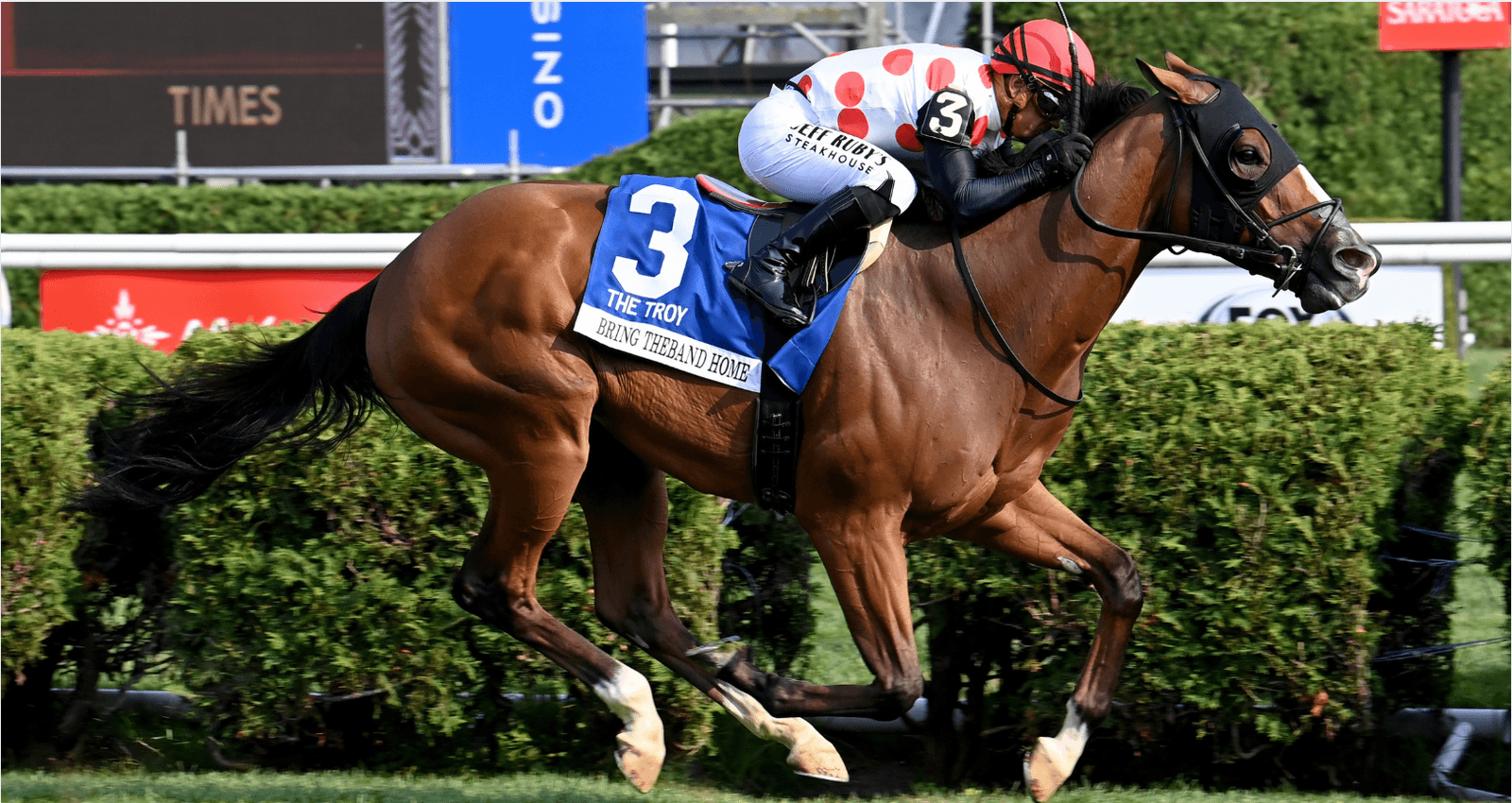
How Trainers Develop Promising 2-Year-Olds Into Classic Contenders
Turning a sharp 2-year-old into a classic contender at three demands far more than talent: physical development, race placement, and mental maturity all have to align.
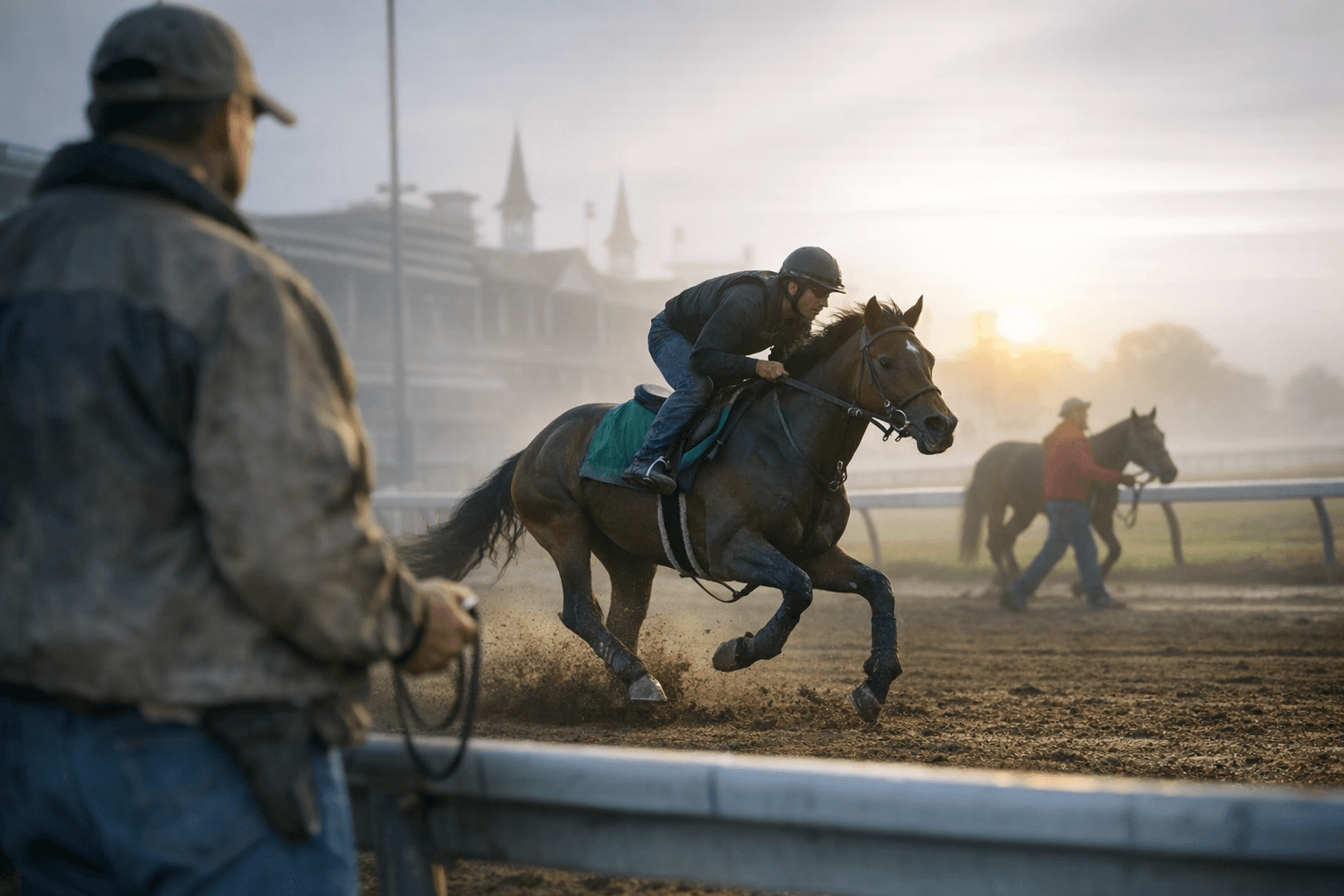
The path from promising juvenile to genuine classic contender is one of the most demanding developmental arcs in all of sport. Trainers who crack the code do so not by accident but through a disciplined, interconnected approach that treats physical growth, race scheduling, conditioning, and psychological readiness as equally weighted priorities. Get one wrong and the others unravel.
Building the physical foundation
At two, a horse is still very much a growing animal. Bone density, musculature, and the connective tissue that holds everything together are all in active development, which means the decisions made during this window carry consequences that echo well into the classic season. The best trainers treat their juveniles less like racehorses and more like athletes in a long-term strength program, prioritizing structural soundness over early glory.
This means monitoring workload with precision. Gallop sets, breeze schedules, and rest cycles are calibrated not just to produce fitness but to avoid the micro-stresses that accumulate into career-threatening injuries. A colt or filly that arrives at the Kentucky Derby or the Epsom Classics without physical compromise has already cleared the highest hurdle most contenders never get past. The trainers who fill those starting gates year after year understand that the winter between a horse's two- and three-year-old campaigns is not downtime; it is construction time.
Race placement as a strategic tool
How a trainer spots a 2-year-old through its first season shapes everything that follows. Running a juvenile too frequently, or against company that is too strong too soon, risks both physical wear and the kind of psychological discouragement that is nearly impossible to reverse. Conversely, keeping a talented horse in maiden company long after it has outgrown that level leaves fitness and competitive sharpness on the table.
Smart race placement threads that needle. It means identifying the right maiden conditions early, stepping up in class at a pace the horse can absorb, and choosing whether to target a prestigious juvenile stakes, such as the Breeders' Cup Juvenile or a Grade 1 end-of-year target, or to deliberately point toward the classic campaign with a lighter autumn schedule. Some trainers prefer their classic prospects to arrive at three with three or four starts on their record; others want six or seven. Neither philosophy is universally correct. What matters is that each race serves a developmental purpose rather than simply adding to the win column.
Targeted conditioning through the winter
The months between the close of the juvenile season and the opening of the classic trail are where the real work happens, and where the gap between elite trainers and the rest of the field quietly widens. This period demands a conditioning program tailored specifically to what that individual horse showed during its first year of racing.
A horse that ran brilliantly over six furlongs but faded late needs cardiovascular base work to build stamina for routes. A horse that showed raw power but lacked tactical polish needs conditioning paired with schooling in traffic and rating behind pace. The conditioning phase is not generic; it is a response to a specific diagnostic read of what the horse did and did not show at two. Trainers who treat every horse in the barn identically during this stretch rarely send out the classics entrant they imagined they had.
Feed programs, farriery, and veterinary monitoring all intensify through this period. Horses that are going to be asked to carry their best form from February prep races through a May classic need to be metabolically dialed in, not just physically fit. The margin between a horse that peaks on the right day and one that has already peaked by the time the big race arrives can come down to decisions made in a barn at 5 a.m. in January.
Managing mental maturity
Of the four pillars in this developmental process, mental maturity is the one most frequently underestimated by outside observers and most obsessively tracked by the trainers who consistently produce classic horses. Thoroughbreds are prey animals with hair-trigger nervous systems, and the competitive environment of a racetrack asks them to perform controlled, focused acts of athleticism in conditions that are inherently chaotic.
A 2-year-old that was excitable, fractious, or easily distracted at the gate did not simply grow out of it by turning three. That behavioral profile has to be actively managed. Experienced trainers use a combination of routine, exposure, and patient repetition to build the kind of mental steadiness that allows a horse to settle in a classic field of twenty, rate behind a slow early pace without fighting the rider, and then sustain a run through the stretch when the noise and pressure are at their peak.
This is also where the human element becomes irreplaceable. Riders, grooms, and hotwalkers who know a specific horse intimately contribute to its mental environment every single day. A classic campaign is not built in the training center alone; it is built in the stall, on the walking path, and in the quiet moments between workouts when a horse learns either to trust its surroundings or to remain perpetually on edge.
Bringing it all together
What separates the trainers who consistently develop classic contenders from those who occasionally stumble into one is the integration of all four elements. Physical development without smart race placement produces a well-built horse that arrives at the classics unprepared for the competitive demands. Targeted conditioning without mental management produces a fit horse that unravels when the stakes are highest. Race placement without physical foundation produces early headlines and late scratches.
The horses that line up sound, sharp, and mentally settled on classic day are the products of decisions made over eighteen months, not six weeks of prep. They represent the compounding effect of getting dozens of small calls right: when to breeze, when to rest, which race to skip, which rider to stick with, and when to simply let a talented animal grow into what it is capable of becoming. That patience, more than any single training method, is the defining trait of the trainers who send out the horses that matter most when it counts.
This article was produced by Prism’s automated news system from verified source data, official records, and press releases, then run through automated quality and moderation checks before publishing. The system is built and supervised by the people who set the standards it runs under. Read our full AI policy.
Did this article answer your question?