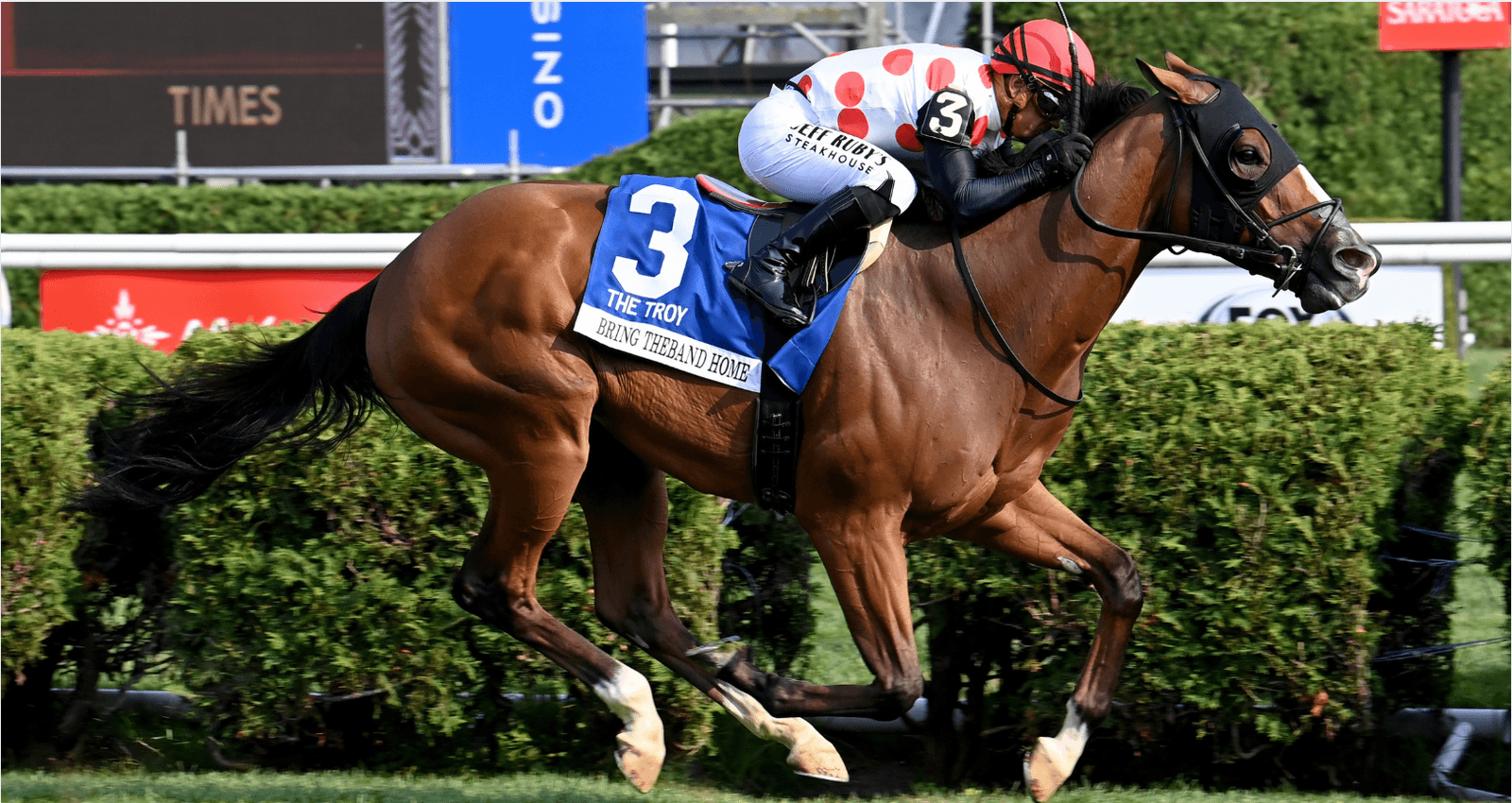
James Cassidy, 80, Dies; Trainer of Grade 1 Winners and Backstretch Advocate
James Cassidy, 80, a Southern California-based trainer of Grade 1 winners and longtime backstretch advocate, died of heart disease, leaving a $30.7 million legacy and a leadership imprint on California racing.
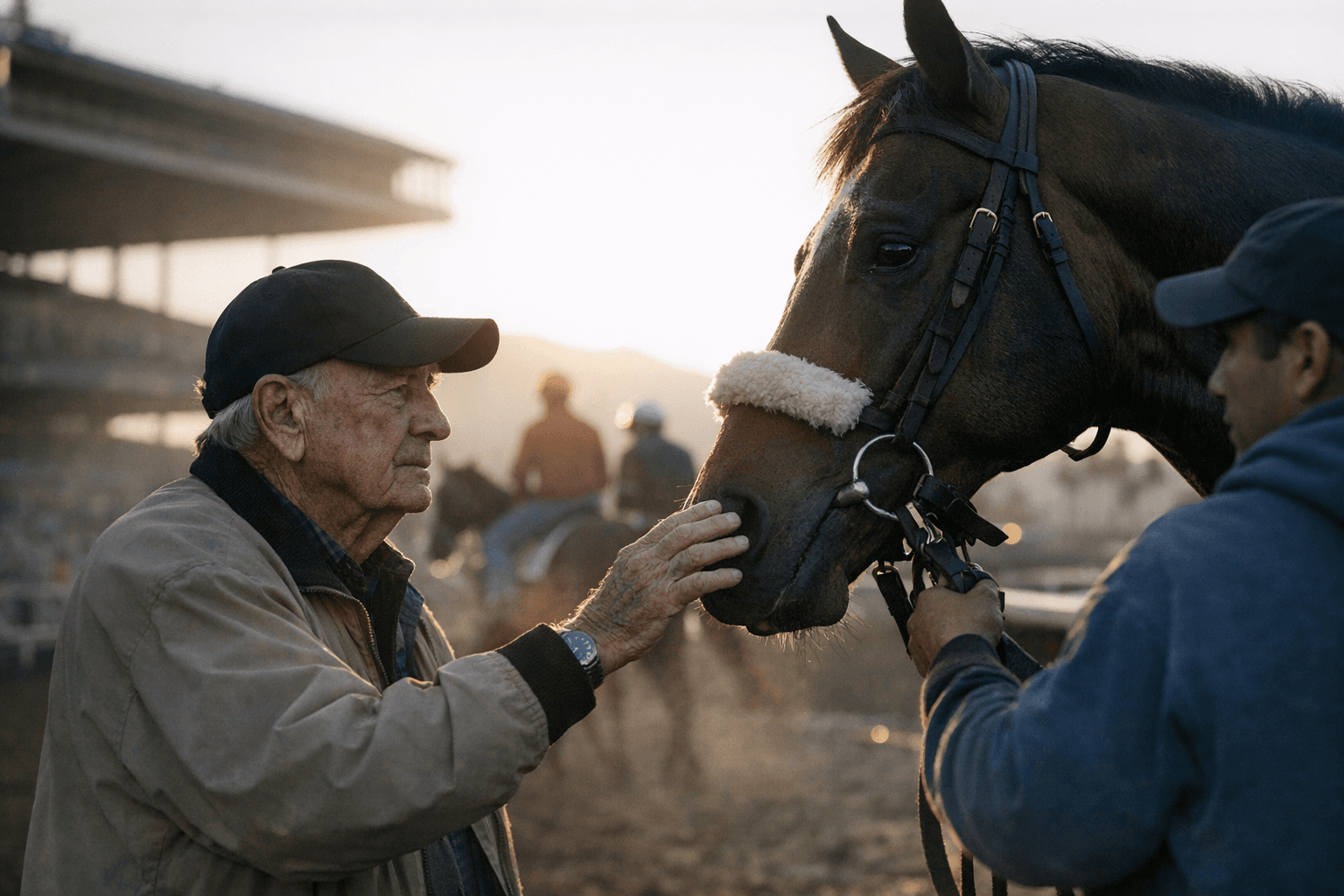
James Cassidy brought to the track a lifetime of horsemanship and a trainer’s steady hand, and he remained active until the closing weeks of his life. Cassidy died at his home in Monrovia, California, on Jan. 22, 2026, of heart disease. The loss resonates in the racing community because Cassidy combined top-level success on the track with sustained leadership and hands-on advocacy for backstretch workers.
Cassidy’s path began with show horses at age 12 and led to a professional trainer’s license taken out in 1975. He relocated his operation to Southern California in 1993, placing himself at the center of a competitive circuit that includes Santa Anita. Over a five-decade career Cassidy recorded 442 victories and amassed $30,715,582 in purse earnings, figures that speak to durability and consistent placement in lucrative stakes company.
Among Cassidy’s best runners were Grade 1 winners Evening Jewel, The Usual Q.T., and Ticker Tape. Those horses supplied the high-water marks in a résumé built on turning capable stock into graded stakes performers. Cassidy’s final starter, Pure Chaos, ran at Santa Anita on Jan. 11, 2026, underscoring that he remained engaged with barn routines, race planning, and stable management into his eighth decade.
Beyond race results, Cassidy shaped industry governance as a multiple-term president of California Thoroughbred Trainers. He was widely praised for service to the backstretch community, an arena where trainers can influence workers’ safety, housing, and day-to-day welfare. In a sport facing mounting scrutiny over labor conditions and costs, Cassidy’s combination of stewardship and advocacy marked him as a bridge between barn-level realities and the bargaining table.
From a performance standpoint, Cassidy’s record illustrates an ability to compete at graded stakes levels without the deep-pocketed, year-round string that some larger stables maintain. His 442 wins and more than $30.7 million in purses point to smart placement, attention to individual horses’ career arcs, and an effective use of the California racing calendar. Those are skills younger trainers will study as the industry recalibrates around fewer dates, rising costs, and changing wagering patterns.
Cassidy’s death also highlights broader trends in the sport: an aging cohort of veteran trainers, the ongoing need for succession planning at smaller barns, and the pressure on California’s racing ecosystem to balance purse structures with backstretch support. Service arrangements and memorial plans were to be announced.
For racing fans and industry participants, Cassidy’s passing is a moment to measure both competitive achievements and civic contribution. His winners remain in the record books, and his work on behalf of backstretch workers sets a standard for trainers who aim to shape racing culture as much as results.
This article was produced by Prism’s automated news system from verified source data, official records, and press releases, then run through automated quality and moderation checks before publishing. The system is built and supervised by the people who set the standards it runs under. Read our full AI policy.
Did this article answer your question?