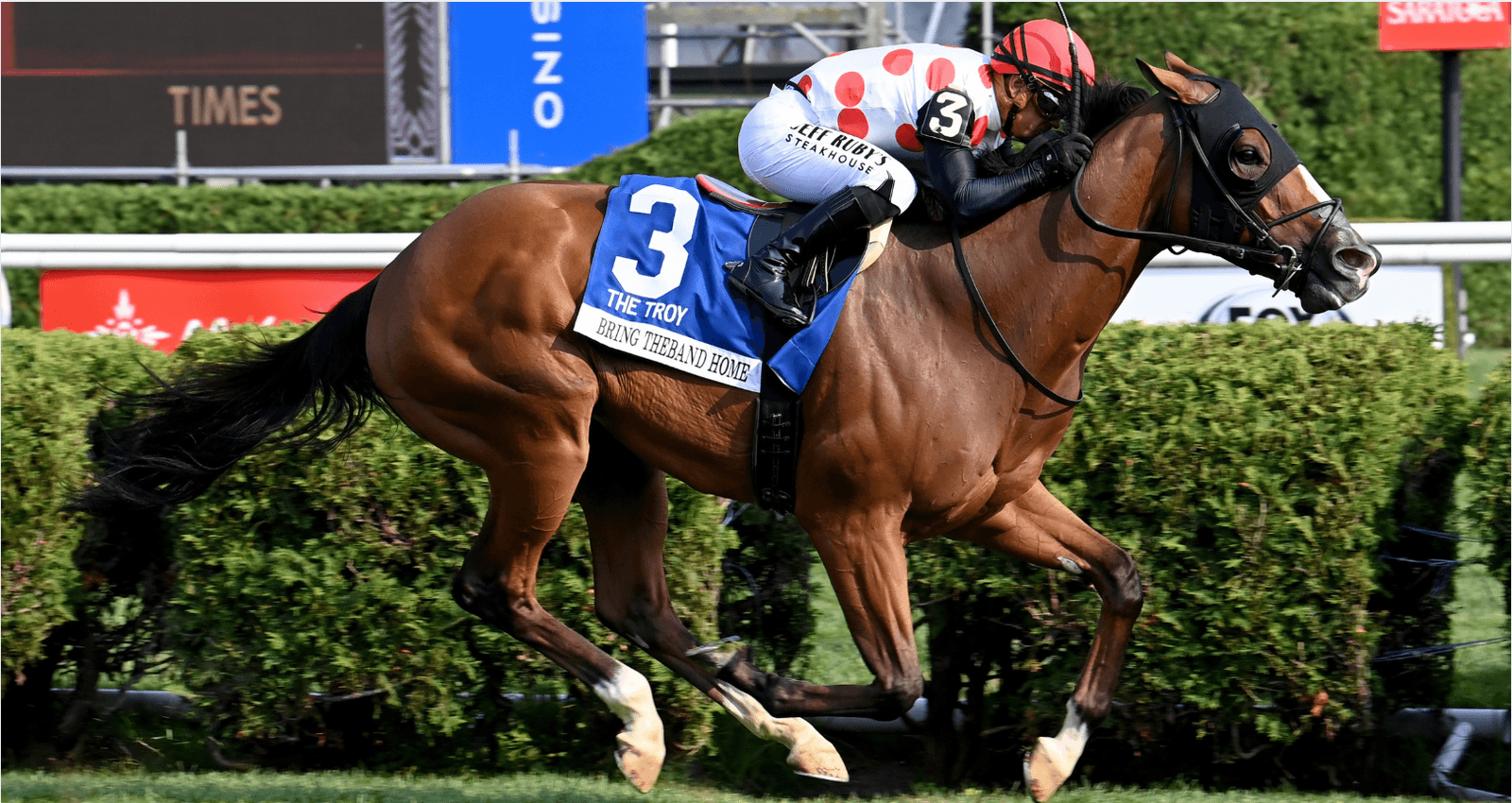
James Ferguson to quit training and join bloodstock insurance business
James Ferguson is shutting his Newmarket yard at the end of July, leaving 25 horses and their owners to find new homes as he moves into bloodstock insurance.

James Ferguson’s exit hits hard at the yard level first: 25 horses at his Newmarket stable now need a new racing home, his owners have been told the clock is ticking to the end of July, and no successor is stepping in to keep the operation together. The trainer said he is already in touch with every owner and that it will be “business as usual” until he walks away from day-to-day training, but the practical fallout is immediate for the stable, its staff and the horses that had been mapped for the summer.
Ferguson is not leaving racing so much as moving deeper into its commercial engine. He will join the bloodstock insurance business, a sector built around the same horses, risks and relationships that shape training yards, sales rings and ownership groups. It is a move that says as much about the economics of modern racing as it does about his own career: experienced horsemen with form on the track increasingly find opportunities in breeding, sales and risk management, where horse knowledge still carries real value.
For Ferguson, the change closes a training chapter that began in 2019 and produced more than 150 winners from Machell Place and Kremlin Cottage Stables in Newmarket. He has already said he will help owners decide where their horses go next, which makes the handover a managed unwind rather than a sudden break. That matters because the yard will not simply be passed intact to another trainer, leaving assistants, owners and clients to split the stable’s horses across other operations.

His record gives the move extra weight. El Bodegon delivered his first Group 1 success in the 2021 Grand Critérium de Saint-Cloud, while Deauville Legend gave him major wins in the 2022 Bahrain Trophy and Great Voltigeur Stakes before finishing fourth in the Melbourne Cup behind Gold Trip. Ferguson has also pointed to that Melbourne run as one of the near-misses that defined his career, and it remains the clearest example of the level he reached on the international stage.
Ferguson’s background also shows how closely linked the training and bloodstock worlds are. He took out his licence after working under Sir Mark Prescott, Jessica Harrington and Charlie Appleby, and had a sharp early rise with 18 winners in 2020 and four more early in 2021. Now, after seven years with a licence, he is shifting from producing runners to protecting them, staying in the international bloodstock world rather than stepping outside racing altogether.
This article was produced by Prism’s automated news system from verified source data, official records, and press releases, then run through automated quality and moderation checks before publishing. The system is built and supervised by the people who set the standards it runs under. Read our full AI policy.
Did this article answer your question?