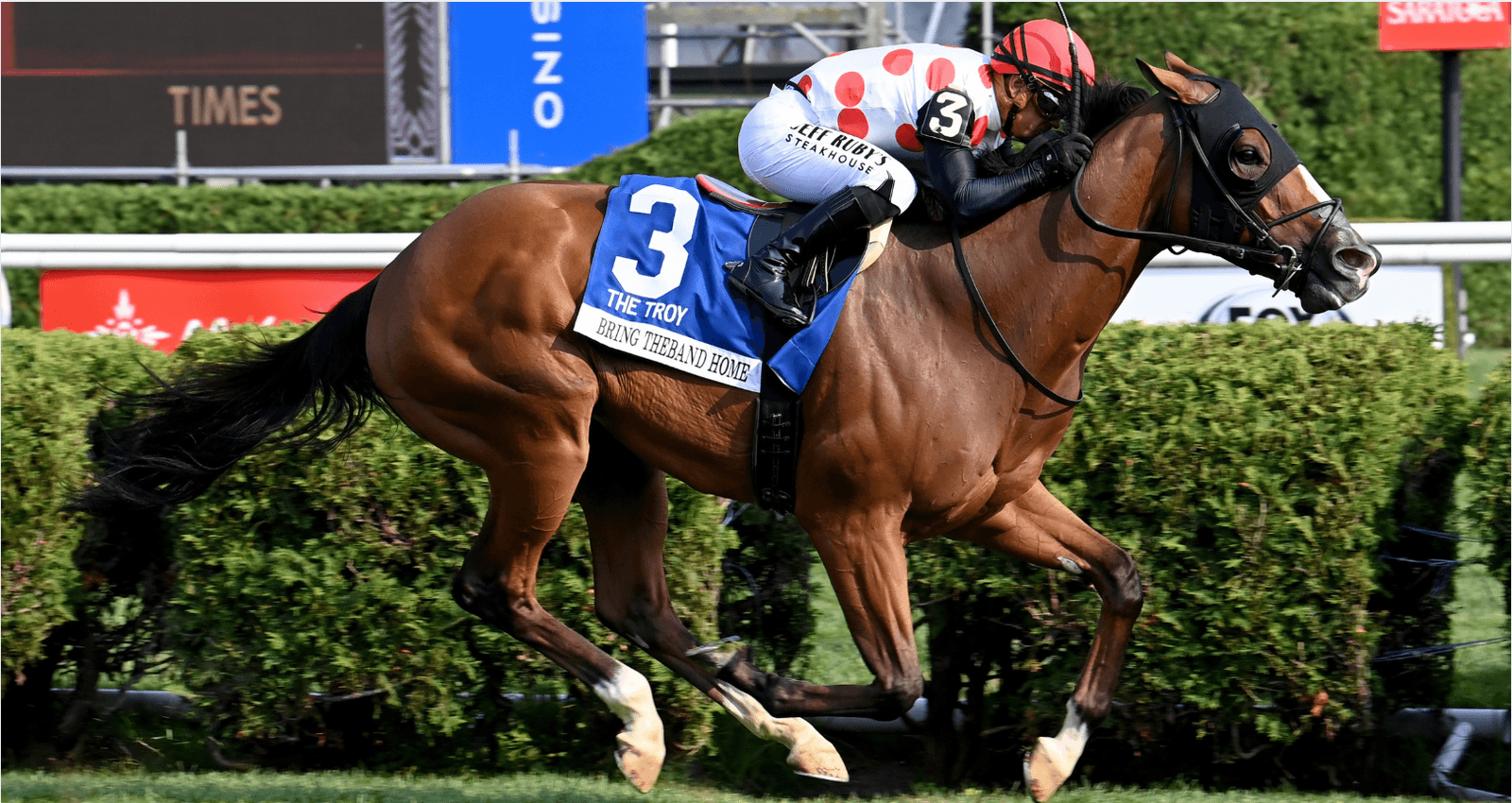
Japan seeks first Ascot win with Masquerade Ball and Wurttemberg
Satono Reve came closest again, but Japan’s next Ascot crack belonged to Masquerade Ball and Wurttemberg in a £1.5 million King George packed with Group 1 firepower.

Ascot kept its grip on Japan after Satono Reve finished second in the Queen Elizabeth II Jubilee Stakes, and that latest near miss pushed Masquerade Ball and Wurttemberg into the next test on the calendar, the July 26 King George VI and Queen Elizabeth Stakes. Japan still had no Ascot victory on the books, even after Agnes World’s second in the 2000 King’s Stand Stakes and Heart’s Cry’s third in the 2006 King George, and the list of almosts had become its own kind of pressure.
Satono Reve was the betting favorite in the Jubilee, but he still had to overcome a long trip, an outside gate in a field of 14 after two scratches, and a race shape that left no room for error. He finished second to Lazzat in 1 minute 11.30 seconds, and the Japan Racing Association said it was the best Royal Ascot result by a JRA horse since Agnes World’s runner-up effort in 2000. Hong Kong Jockey Club figures showed just how committed the campaign was, with Satono Reve traveling more than 13,000 kilometers from Japan, arriving in Newmarket on May 2 and turning in a final five-furlong gallop on June 11 with Ryan Moore aboard.
That context is what made the King George such a serious next step. Ascot’s June 10 preview listed 32 initial entries and 14 Group 1 winners, then put reigning champion Goliath, Calandagan and Aidan O’Brien’s options Lambourn, Minnie Hauk, Los Angeles and Jan Brueghel into the same race. Ascot also set the prize money at £1.5 million, up from £1.25 million in 2024, making it the richest race ever run at the track. For Japan, Masquerade Ball and Wurttemberg were not being sent to a soft landing. They were being dropped into the deepest Ascot mile-and-a-half examination available.
That is why the comparison with the Prix de l’Arc de Triomphe still matters. France Galop described Japan’s 2025 Arc attempt as a national quest, with three trainers involved and painful runner-up finishes already part of the story through El Condor Pasa, Nakayama Festa and Orfevre. The pattern is the same on both sides of the Channel: elite Japanese horses arrive with world-class form, elite breeding and serious travel plans, then meet a course and a race structure that still refuses to bend. Satono Reve showed how thin the margin was. Masquerade Ball and Wurttemberg were next up to try to turn that margin into a breakthrough.
This article was produced by Prism’s automated news system from verified source data, official records, and press releases, then run through automated quality and moderation checks before publishing. The system is built and supervised by the people who set the standards it runs under. Read our full AI policy.
Did this article answer your question?