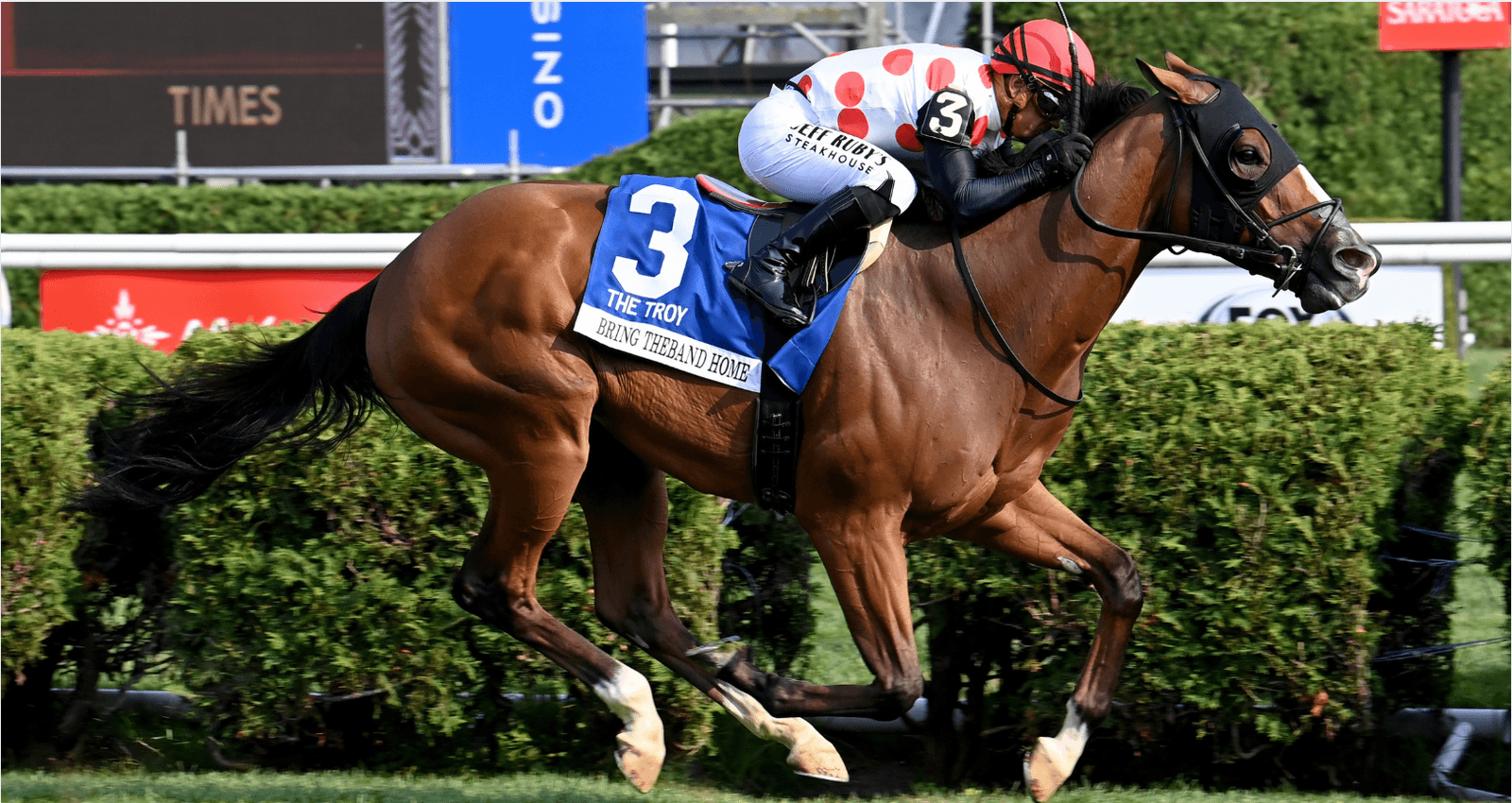
Japan targets first Royal Ascot winner in Global Contenders series
Japan has sent 10 runners to Royal Ascot and still has no win, but Satono Reve’s near-miss showed how close the breakthrough is.
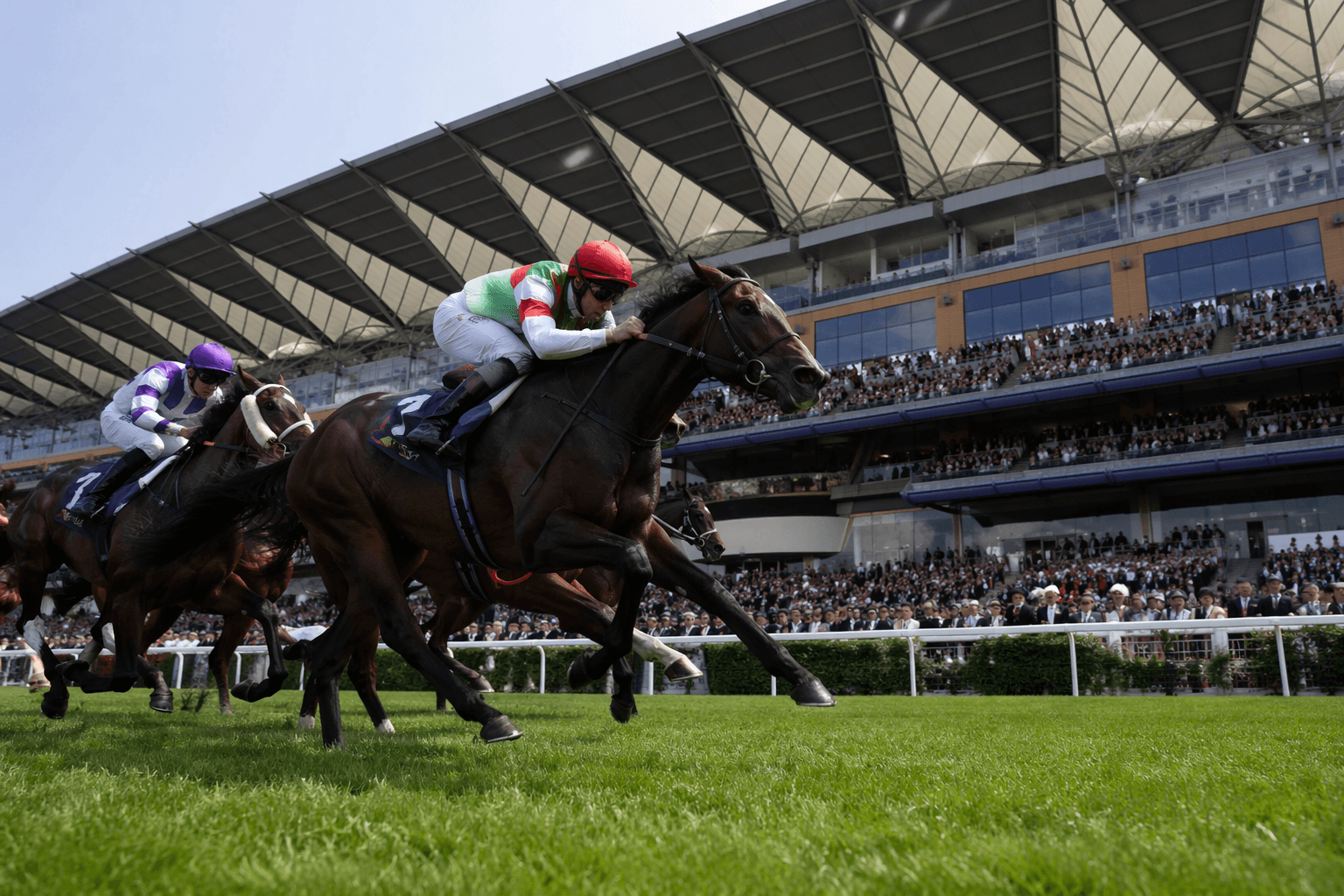
Japan’s Royal Ascot drought is no small footnote anymore. Ascot Racecourse has put the push front and center in Episode Two of its Global Contenders series, and the message is simple: with Royal Ascot 2026 set for June 16-20 at Ascot in Berkshire, Japan is again in position to land the first victory that has eluded it for more than two decades.
That matters because Royal Ascot is not a sideshow. The five-day meeting draws about 300,000 racegoers and remains one of Britain’s most valuable Flat festivals, a place where international reputations are made and measured. Ascot’s own preview has flagged both Australia and Japan as teams poised to launch strong challenges this year, which is a reminder that the meeting’s center of gravity is increasingly global.
Japan’s record at Ascot explains why this hunt carries real weight. The country’s first runner at the meeting was Ingrandire in 2004, and he finished ninth in the Gold Cup. Since then, Japan has sent 10 runners in total, and the best result came from Shahryar, who finished fourth in the 2022 Prince of Wales’s Stakes. That is the bar: close enough to raise expectations, not close enough to end the wait.
The latest near-miss came in 2025, when Satono Reve was sent off the betting favorite for the Queen Elizabeth II Jubilee Stakes and still had to settle for second behind Lazzat. In a sport built on margins, that result said almost everything. Japan did not just show up at Royal Ascot. It nearly won there, and it did so with the market already on its side.
That is why Episode Two of Global Contenders is more than a promotional clip. It frames Japan not as an outsider hoping for a lucky break, but as one of the powers trying to crack the meeting’s unique test. Royal Ascot rewards speed, class, adaptability and the ability to handle a stage that is as much about pressure as pace. A first Japanese winner would not just add another name to the roll of honor. It would signal that one of the sport’s deepest turf programs has finally solved one of racing’s hardest puzzles.
For Japanese racing, the breakthrough would carry prestige beyond a single race. Royal Ascot still ranks as one of the sport’s clearest international standards, and a win there would be a statement that the hierarchy of elite turf racing is no longer confined to Britain, Ireland and a handful of familiar visitors. Japan has been knocking at the door since Ingrandire in 2004. Now the door is still open, and the contenders are coming back with real leverage.
This article was produced by Prism’s automated news system from verified source data, official records, and press releases, then run through automated quality and moderation checks before publishing. The system is built and supervised by the people who set the standards it runs under. Read our full AI policy.
Did this article answer your question?