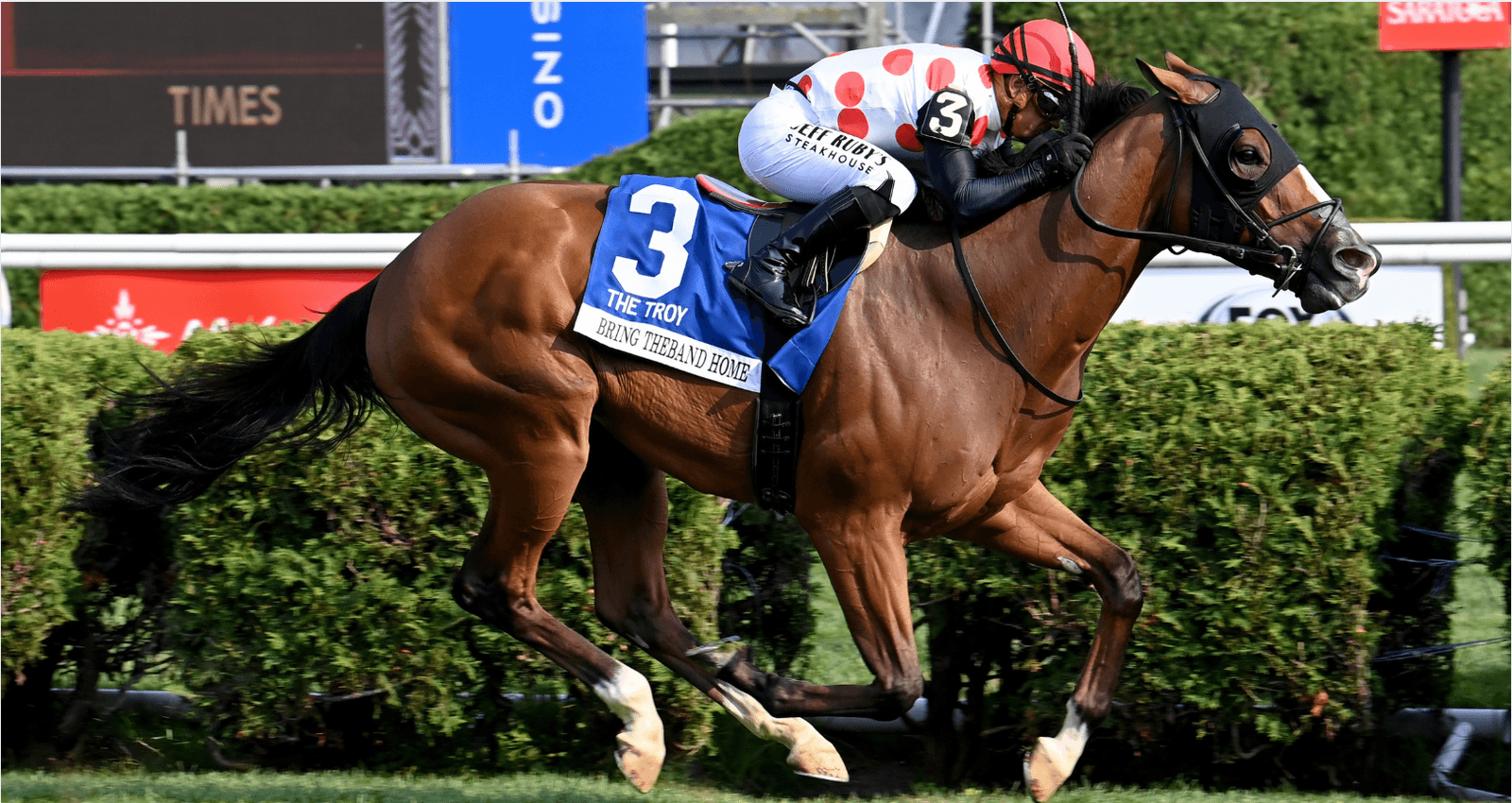
Japanese star Jantar Mantar retires after four Group 1 wins
Jantar Mantar retires with four Group 1 wins, a stakes-record 1:31.3, and a résumé no other Japanese miler matched.
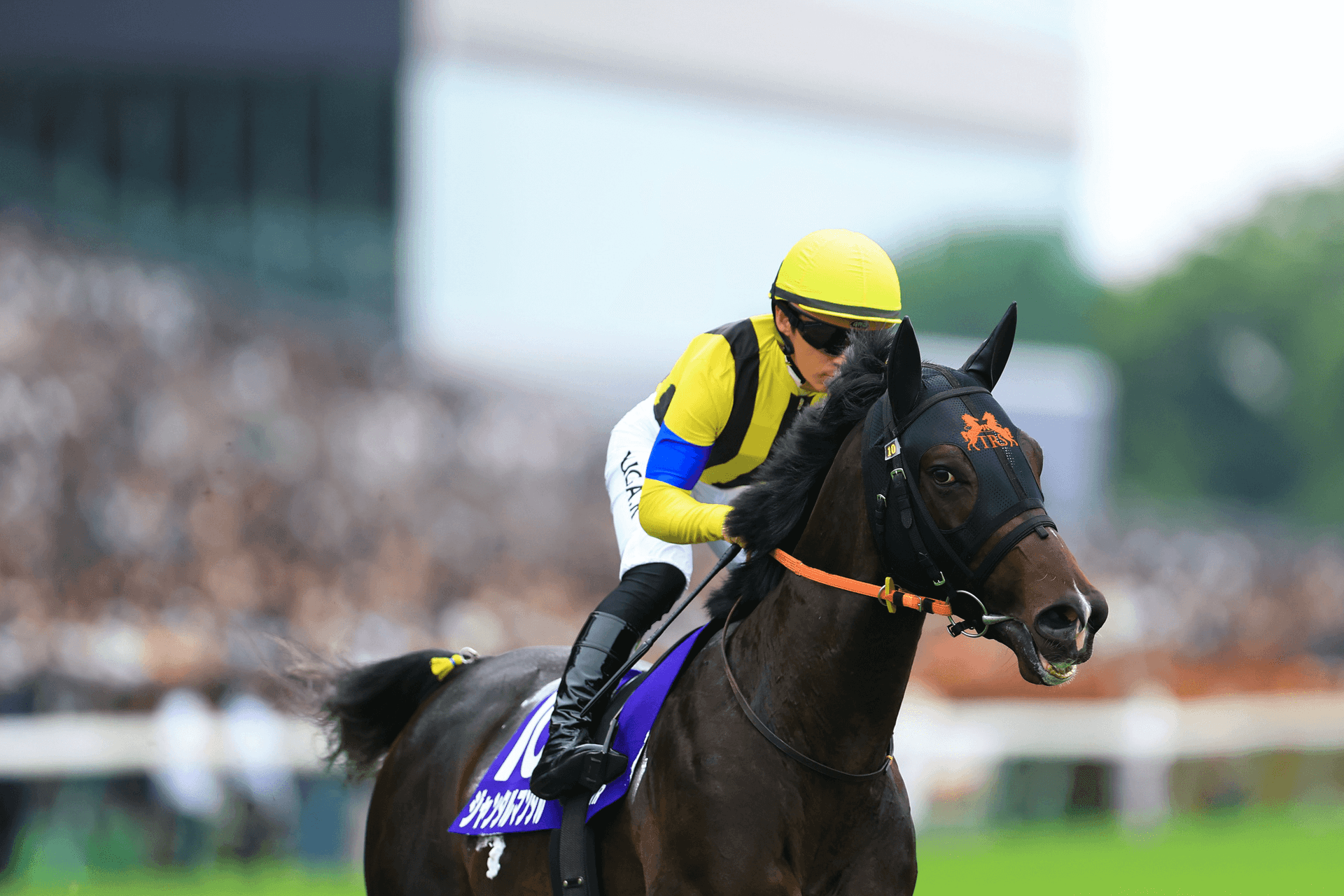
Jantar Mantar has been retired after a 11-start career that produced six wins, two seconds and ¥712,498,000 in earnings, ending one of the most efficient elite runs in Japanese racing. The colt, trained by Tomokazu Takano for Shadai Race Horse Co. Ltd., leaves the mile division without the horse that had set the standard from age two through age four.
What made Jantar Mantar unusually important was not just the count of his victories, but the shape of them. He won four Group 1 races in a short career, and he became the first horse to sweep Japan’s four major male-open mile Group 1 races. He also joined a select group of Japanese horses to win Group 1 races at ages two, three and four, a line of consistency that gave the division a familiar, dominant reference point each season.
His biggest wins came with Yuga Kawada aboard. Jantar Mantar captured the 2023 Asahi Hai Futurity Stakes, the 2024 NHK Mile Cup, the 2025 Yasuda Kinen and the 2025 Mile Championship. The Mile Championship at Kyoto on Nov. 23, 2025, delivered his sharpest performance, with a stakes-record 1:31.3 that bettered the old mark by 0.2 seconds. He had already shown he could carry top-level form over the summer when he won the Yasuda Kinen at Tokyo in 1:32.7 on June 8, 2025.
The retirement also removes a horse with a rare domestic and international profile. Official records list nine domestic starts and two overseas runs, including a 13th-place finish in the 2024 Hong Kong Mile at Sha Tin. Shadai Race Horse Co. had ruled out a trip to the Dubai World Cup meeting by March 2026, and Hong Kong had been discussed as a possible target, but those paths are now closed.
Jantar Mantar’s résumé was strong enough to win major honors as well as races. The Japan Racing Association named him Best Two-Year-Old Colt for 2023, then Best Miler for 2025 by unanimous vote, after he became the ninth horse in JRA history to win both of the country’s mile G1s in the same year. That combination of speed, durability and distance range leaves a gap that will show up immediately in the mile division, where future marquee races will no longer have a horse capable of defining the entire category from spring through autumn.
This article was produced by Prism’s automated news system from verified source data, official records, and press releases, then run through automated quality and moderation checks before publishing. The system is built and supervised by the people who set the standards it runs under. Read our full AI policy.
Did this article answer your question?