Jockeys’ Guild launches education foundation to help riders build second careers
The Jockeys’ Guild created a new education foundation to help riders plan for life after racing, with scholarships, online guidance and skills training beginning July 1.
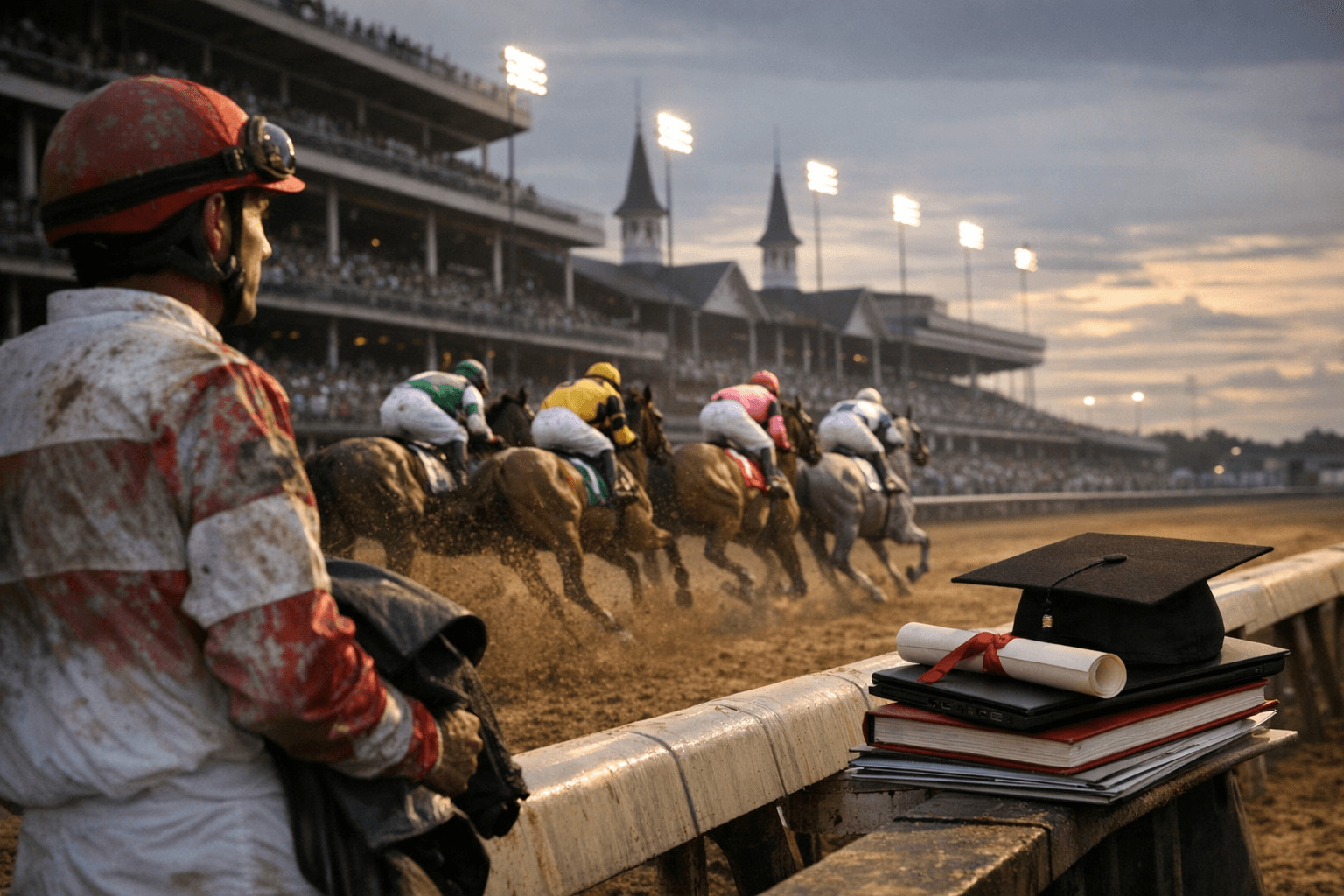
The Jockeys’ Guild is trying to solve one of racing’s quietest problems: what happens to a jockey after the saddle stops paying the bills. With support from the Lavin Family Foundation and Glen Hill Farm, the group announced the Jockeys’ Guild Education Foundation on April 21, a first-of-its-kind effort built entirely around the educational empowerment of professional riders.
The foundation is set to launch July 1 and will offer scholarships, personalized academic guidance and practical skills training aimed at improving financial security and future employment opportunities. Jockeys’ Guild said the first step will be surveys and focus groups so the program can map out riders’ needs and educational goals instead of guessing at them. Most of the programming is expected to be delivered online, a practical move for a workforce that lives on split shifts, constant travel and irregular race-day schedules.
Ramón Domínguez will serve as executive director, and his appointment gives the project real credibility inside the colony. Domínguez knows the downside of a racing career that ends abruptly: he retired in 2013 after a Jan. 18 accident at Aqueduct Racetrack left him with a fractured skull, and the Guild later said head injuries from a fall ended his career. That makes him more than a figurehead. He is living proof that even elite riders can be one bad spill away from needing a new path.
The foundation’s mission is broader than tuition help. It is designed to advance career opportunity and personal growth through professional guidance and educational scholarships for qualifying active and retired Guild members and disabled jockeys. In a business where riders often start young and stay in the irons far longer than they want because they have no fallback plan, that is the part that matters most. Education is not a luxury here. It is exit strategy, insurance policy and second act all rolled into one.
The board gives the effort a mix of horsemen, administrators and ownership voices, including Craig Bernick, Rachel Jacobson, Johnny Velázquez, Terry Meyocks and Jack Wolf. Additional support will come from Mindy Coleman, Tina Linville and Gabi Kuenzli. The timing also fits a broader push to confront rider aftercare, a need underscored by the Permanently Disabled Jockeys Fund, which says it has provided financial assistance to more than 50 former jockeys and dispersed more than $15 million since 2006. Racing has spent years talking about equine aftercare. This foundation makes the same argument for the people who climb into the tack.
This article was produced by Prism’s automated news system from verified source data, official records, and press releases, then run through automated quality and moderation checks before publishing. The system is built and supervised by the people who set the standards it runs under. Read our full AI policy.
Did this article answer your question?