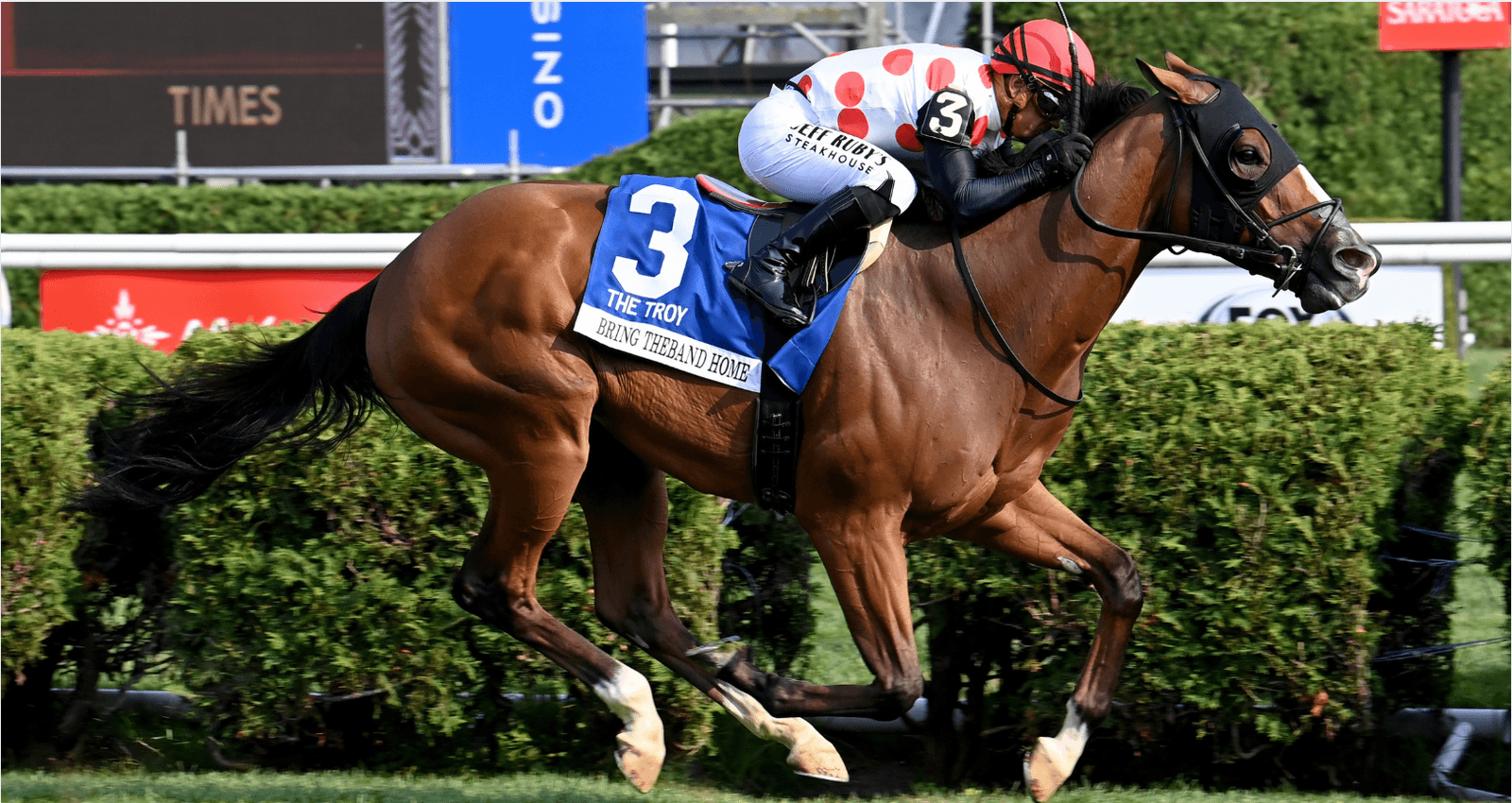
Joe Moore says horse racing still has reasons for optimism
Joe Moore sees racing’s gloom, but also fresh capital, stronger incentives, and an ownership model that still feels personal. The optimism is tied to real money, not wishful thinking.
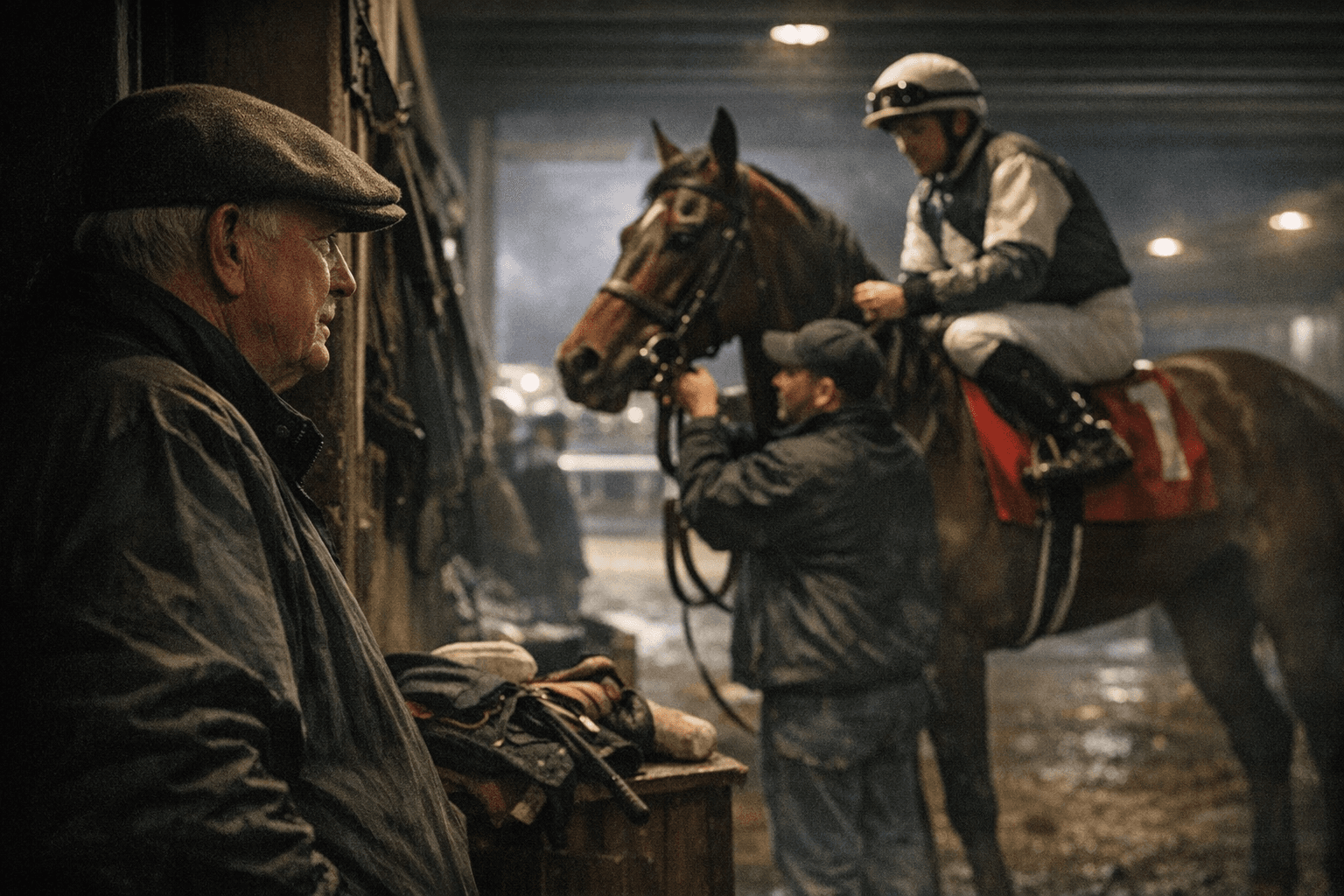
Joe Moore is making a case that horse racing’s future is being misread if all you see are the sport’s familiar warning signs. As a relatively new Thoroughbred owner, he says the industry still has room for optimism because the business is drawing investment, keeping owners emotionally invested, and finding new ways to rebuild its base even as the pressures remain very real.
The pressures are not imaginary
Moore does not pretend the sport is in easy shape. He points to longtime horsemen leaving, rising labor and insurance costs, burnout, and a shrinking foal crop as part of the drag on racing’s daily life. He also flags the uncertainty around live television coverage, with FanDuel TV planning to phase out live horse-racing telecasts by the end of 2027, a move that has alarmed horsemen and broadcasters who fear a hit to visibility.
That network began life as TVG in 1999, which is why the planned retreat feels symbolic as much as operational. FanDuel has said the network does not fit its long-term strategy, though it will still fulfill track production commitments through 2027. For a sport that depends on fan access, wagering attention, and steady exposure, that decision sits right at the center of the discouragement narrative Moore is pushing against.
The cost fight is still live
The same tension shows up in the debate over the Horseracing Integrity and Safety Authority. The goal of safer racing and better horse welfare is broadly shared, but the financing is where the conflict keeps resurfacing. HISA’s proposed 2026 budget is about $78.5 million, with an estimated industry cost of about $60.6 million after credits, and the Federal Trade Commission published the budget for public comment.
That scrutiny matters because it shows the debate is not abstract. Churchill Downs and horsemen’s groups have publicly urged closer review of HISA’s costs, which keeps the conversation focused on whether the sport can support safety reforms without overburdening participants. Moore’s point is not that the argument is settled, but that racing’s future will depend on whether it can keep aligning safety, regulation, and affordability without driving more people away.
Why ownership still feels worth it
Moore’s optimism starts with what racing feels like from the inside. He says his own ownership experience has been relationship-driven and emotionally rewarding, the kind of involvement that can make the sport hard to leave once it gets its hooks in. Owners do not just buy into a horse; they buy into a process of training, development, setbacks, and the shared suspense that comes with every start.
That emotional pull is one of racing’s underrated economic assets. It creates attachment, and attachment creates staying power, even in a sport that is often discussed in terms of attrition. Moore describes racing as emotional, humbling, and deeply human, and that human element is part of why he believes the sport still has a base worth building on.
Capital spending is telling a different story
The strongest support for Moore’s optimism comes from the construction cranes and bond issues still moving through the sport. Belmont Park is targeted to reopen in fall 2026 as part of a $455 million redevelopment led by the New York Racing Association and New York State, and the project is already described as on time and on budget. Belmont is also scheduled to host the 2027 Breeders’ Cup World Championships, its first time in New York since 2005.
Maryland is making a similarly large bet. A 2024 law authorizes $400 million in bonds for the reconstruction of Pimlico Race Course and a new training center, with the goal of finishing in time for Preakness 152 in 2027. Laurel Park is expected to serve as the temporary home for racing during the work, which means the state is not retreating from the sport but reconfiguring its footprint to keep it alive.
Even Kansas, which has gone without live Thoroughbred racing since 2008, is preparing to bring it back in October 2026. The state approved 1,000 historical horse racing machines as part of the plan to restore racing, and backers have tied the effort to purse support and breeding incentives. That kind of legislative commitment suggests a sport that still has political and civic relevance when the economics are framed the right way.
The racing map is still expanding in places
The optimism case gets stronger when you look beyond the biggest-name tracks. Colonial Downs is set for a 48-day 2026 live racing season, the longest in its nearly 30-year history, which is a notable marker for a circuit that has had to build momentum market by market in New Kent, Virginia. Sunland Park Racetrack and Casino has announced purse increases and an expanded race schedule, signaling a willingness to invest in competitive racing in New Mexico.
Fairmount Park’s new owners are also talking about improvements that go beyond cosmetic upgrades. Their plans include purse boosts and backstretch improvements, both of which matter because they affect the people and horses who keep the game functioning day to day. These are not headline-grabbing gestures, but they are exactly the kind of operating decisions that can determine whether a track becomes more sustainable or just more nostalgic.
Breeding incentives are trying to hold the pipeline together
Moore’s optimism is also tied to the breeding side, where states are trying to make ownership and participation more attainable. He argues that incentives and regional support programs can strengthen the base for local runners, which matters in a market where horse population is under pressure. The Jockey Club projects a North American foal crop of about 17,000 in 2026, down from an estimated 17,300 in 2025, a modest decline that still reinforces the larger point: the pipeline is shrinking even as some states work to stabilize it.
That is why the hopeful view is not naive. It is built on the idea that racing can remain viable if it protects its core customers, improves the economics around ownership, and keeps finding ways to connect people to horses and racing communities. Moore is not arguing that the sport has solved its structural problems; he is arguing that the evidence of investment, local revival, and emotional buy-in is strong enough to keep the door open.
Racing has not escaped its cost problem, its coverage problem, or its demographic problem. But Belmont, Pimlico, Kansas, Colonial Downs, Sunland Park, and Fairmount Park all show the same thing: the sport is still persuading people to spend real money on its future. That is not sentimental optimism. It is a bet on an industry that still has infrastructure, loyal communities, and enough belief left to keep rebuilding.
This article was produced by Prism’s automated news system from verified source data, official records, and press releases, then run through automated quality and moderation checks before publishing. The system is built and supervised by the people who set the standards it runs under. Read our full AI policy.
Did this article answer your question?