Keeneland 2026 Spring Meet Features Record $9.55M Stakes, Blue Grass and Ashland
Keeneland announced a record 19 stakes worth $9.55 million for its spring meet, boosting Blue Grass and Ashland purses and sharpening the 3-year-old and distaff paths.
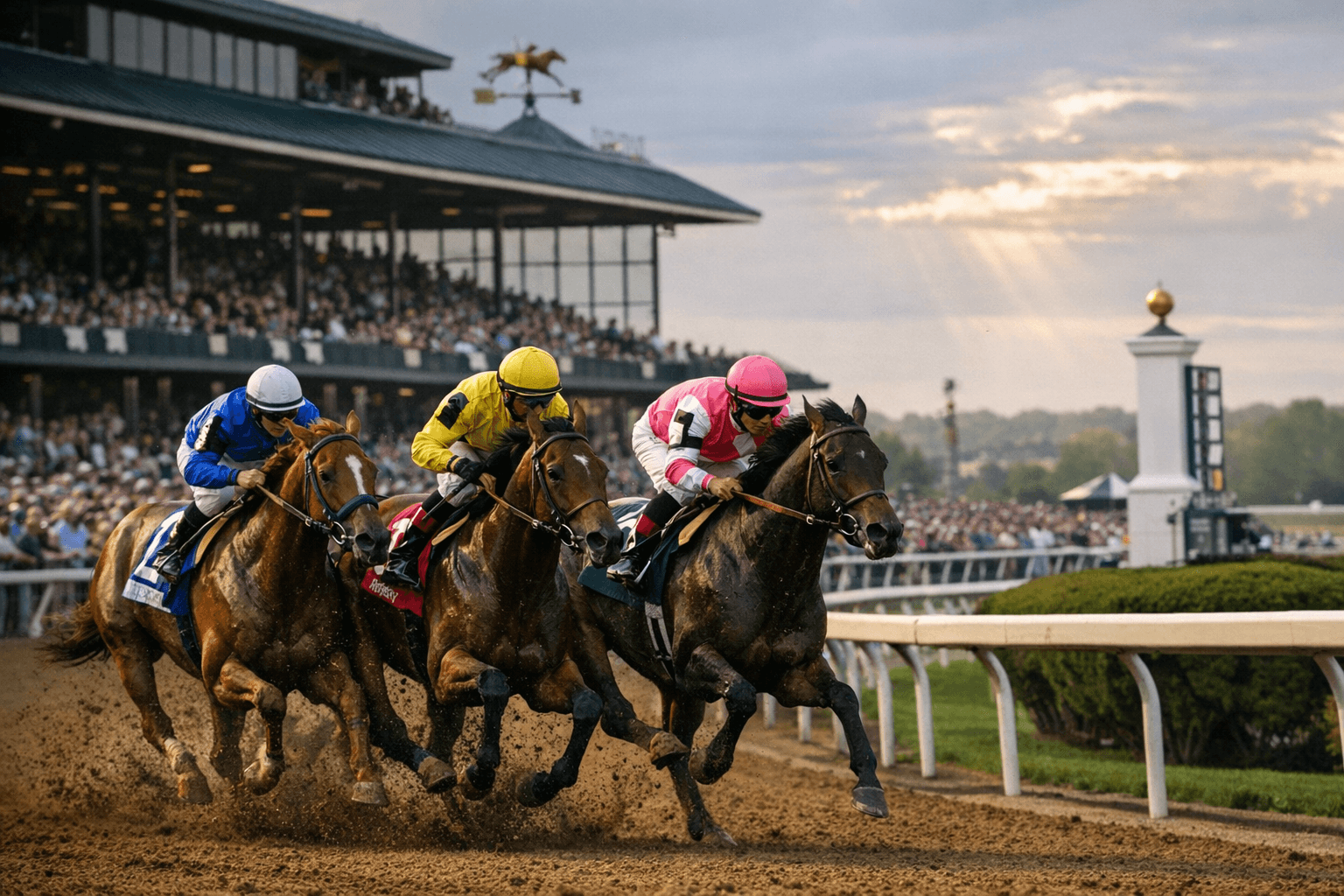
Keeneland will stack its 2026 spring meet with unprecedented financial firepower, scheduling 19 stakes worth a record $9.55 million across the April 3-24 program. The centerpiece of the meet is the $1.25 million Toyota Blue Grass (G1), a marquee 3-year-old event run April 4, and the $750,000 Central Bank Ashland (G1), a key 3-year-old filly target moved to opening weekend on April 3 alongside the MiddleGround Capital Beaumont (G2).
The purse increases and three stakes upgrades signal a strategic push to keep Keeneland central to the spring racing calendar. The Giant’s Causeway was elevated to Grade 2 with its purse raised to $400,000, the Baird Doubledogdare likewise received Grade 2 status and a $400,000 purse, and the FanDuel Limestone moved up to Grade 3 with a $350,000 purse. Those adjustments lift the profile of older-horse and fillies-and-mares divisions at a meet often defined by its 3-year-old preps.
For owners and trainers, the payout boost alters campaign calculus. The Toyota Blue Grass has long been a proving ground for Derby-caliber colts and geldings; a $1.25 million purse increases the incentive to ship top juveniles and sophomores to Lexington, and to target the Blue Grass as a late-stage prep on the Road to the Kentucky Derby. The Central Bank Ashland’s placement on opening day gives fillies a high-stakes opportunity early in the spring calendar, reshaping prep schedules for trainers mapping a run toward the Kentucky Oaks.
Beyond racing strategy, the business implications are broad. Bigger purses can increase the competitive bidding for stallion seasons and affect bloodstock values for juveniles and yearlings sold this spring and summer. For Keeneland, the purse investments are a market signal against competing spring meets and an attempt to draw larger national fields that boost wagering handle and on-track attendance. The upgraded stakes also add higher-quality graded-race opportunities for Kentucky-based trainers and regional barns, reinforcing the Bluegrass region’s breeding-to-race pipeline.
Culturally, Keeneland’s augmentation of stakes speaks to Lexington’s role as a springtime racing hub. The meet’s schedule enhancements are likely to intensify tourism, hospitality demand, and on-track pageantry during a month when the sport’s narrative pivots toward Derby and Oaks stories. Early nomination deadlines and a detailed stakes schedule were released with the meet announcement, giving connections a clear timeframe to commit horses and arrange preps.
What this means for fans is a richer spring slate with deeper fields and bigger purses, elevating both the quality of racing and the stakes for owners and breeders. With nominations now on the clock and Blue Grass and Ashland set to carry extra weight, the spring meet will be an early test of which 3-year-olds and older horses have the form and resilience to shape the rest of the 2026 racing season.
Know something we missed? Have a correction or additional information?
Submit a Tip

