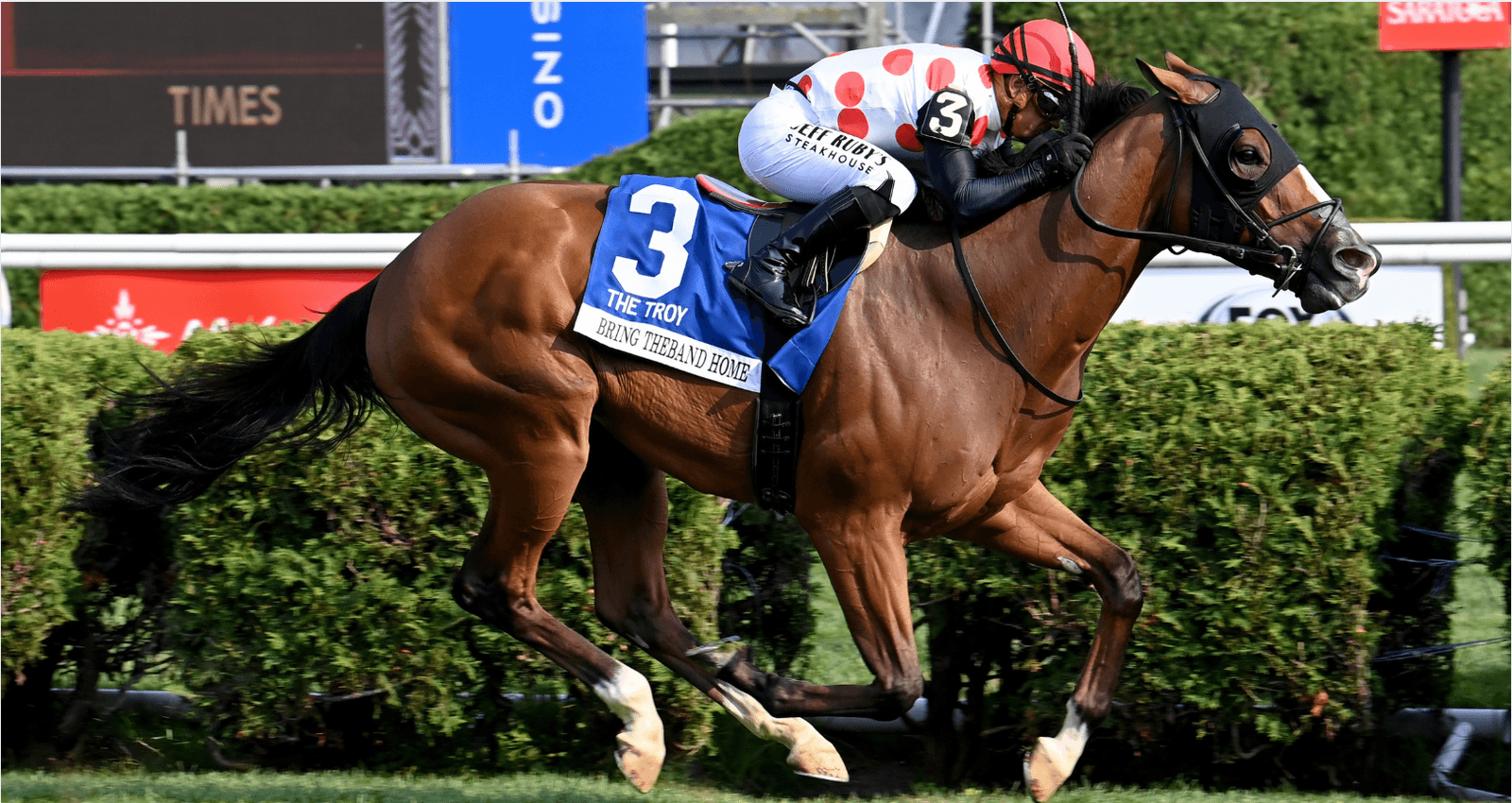
Keeneland Introduces Ratings Handicap Race Type for Spring Meet
Keeneland unveiled the first ratings handicap in its history, a data-driven format targeting horses within an 85–75 performance band, set for April 15 with an $84,000 purse.

Keeneland made history Sunday, confirming the introduction of a ratings handicap to its Spring Meet condition book, a first for the Lexington oval and a structural shift in how competitive eligibility will be determined at one of American racing's marquee venues.
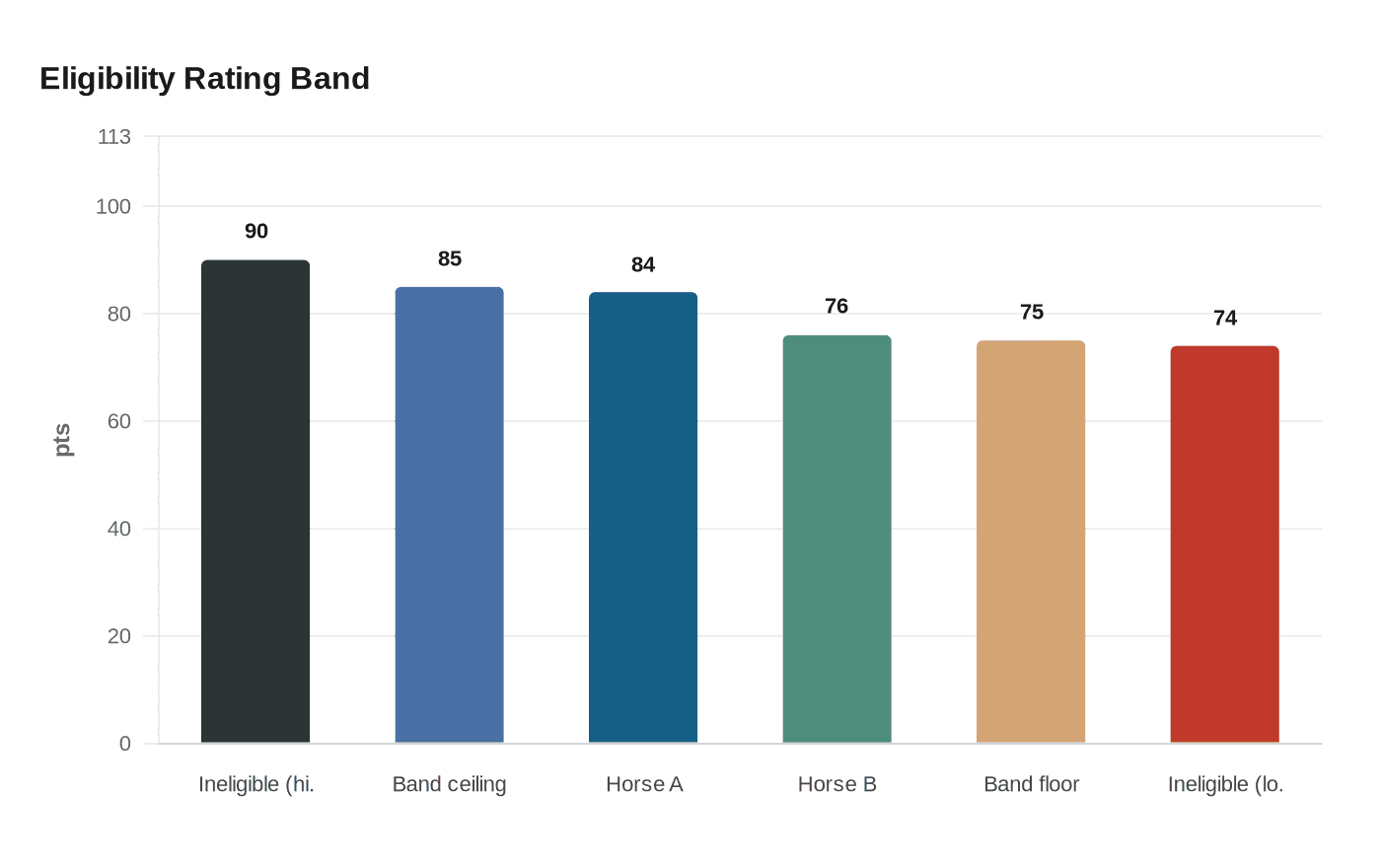
The race is slated for April 15, the eighth day of the 15-day Spring Meet, over six and a half furlongs for 4-year-olds and up, carrying an $84,000 purse. Its defining feature is an eligibility window built around objective performance numbers: horses must fall within an approximate 85-75 performance-rating band to enter, with those figures calculated from prior runs factoring speed, finish position, quality of competition, and other measurable metrics.
That 10-point band is where the concept gets consequential for trainers, owners, and bettors alike. A horse carrying a rating of 90 is simply ineligible, no matter how fresh its form or how eager its connections. A horse sitting at 74 faces the same closed door. The design is deliberate: by capping the field with a defined numeric ceiling and floor, Keeneland's racing office is engineering competitive parity through empirical past-performance data rather than the conventional frameworks of claiming price or allowance conditions.

To see why this matters in practice, consider two horses heading into the spring. Horse A holds a rating of 84, built on a second-place finish against graded-stakes company that left it just below elite form. Horse B carries a 76, assembled through a series of mid-level allowance wins against softer opposition. Under a standard allowance or claiming condition, slotting both into the same field is difficult; Horse A's connections would likely bypass a lower-class spot, while Horse B's trainer wouldn't willingly step up in class. The ratings handicap resolves that friction by qualifying both within the same 85-75 bracket, producing a field where every entrant has a quantifiably similar performance profile regardless of how that profile was built.
For bettors, the shift introduces an unfamiliar form-reading layer. Past-performance lines that carry clear signal in a claiming race, where price reflects competitive level, are less straightforward here. What matters instead is where each horse's calculated rating sits within the 10-point window and what the distribution of those ratings reveals about relative strength within the eligible pool. A horse rated 85 and a horse rated 75 are both legal entrants, but the gap between them is precisely the edge a sharp handicapper will try to price.
Keeneland has framed the innovation as part of a broader strategy to modernize race-matching and fan-facing betting products at Lexington. How well it works in its debut will be measured in concrete terms: total entries, scratch rates, and betting handle on both the race and the full card for April 15. Those numbers will determine whether the ratings handicap earns a permanent place in Keeneland's condition book or remains a one-meet experiment.
This article was produced by Prism’s automated news system from verified source data, official records, and press releases, then run through automated quality and moderation checks before publishing. The system is built and supervised by the people who set the standards it runs under. Read our full AI policy.
Did this article answer your question?