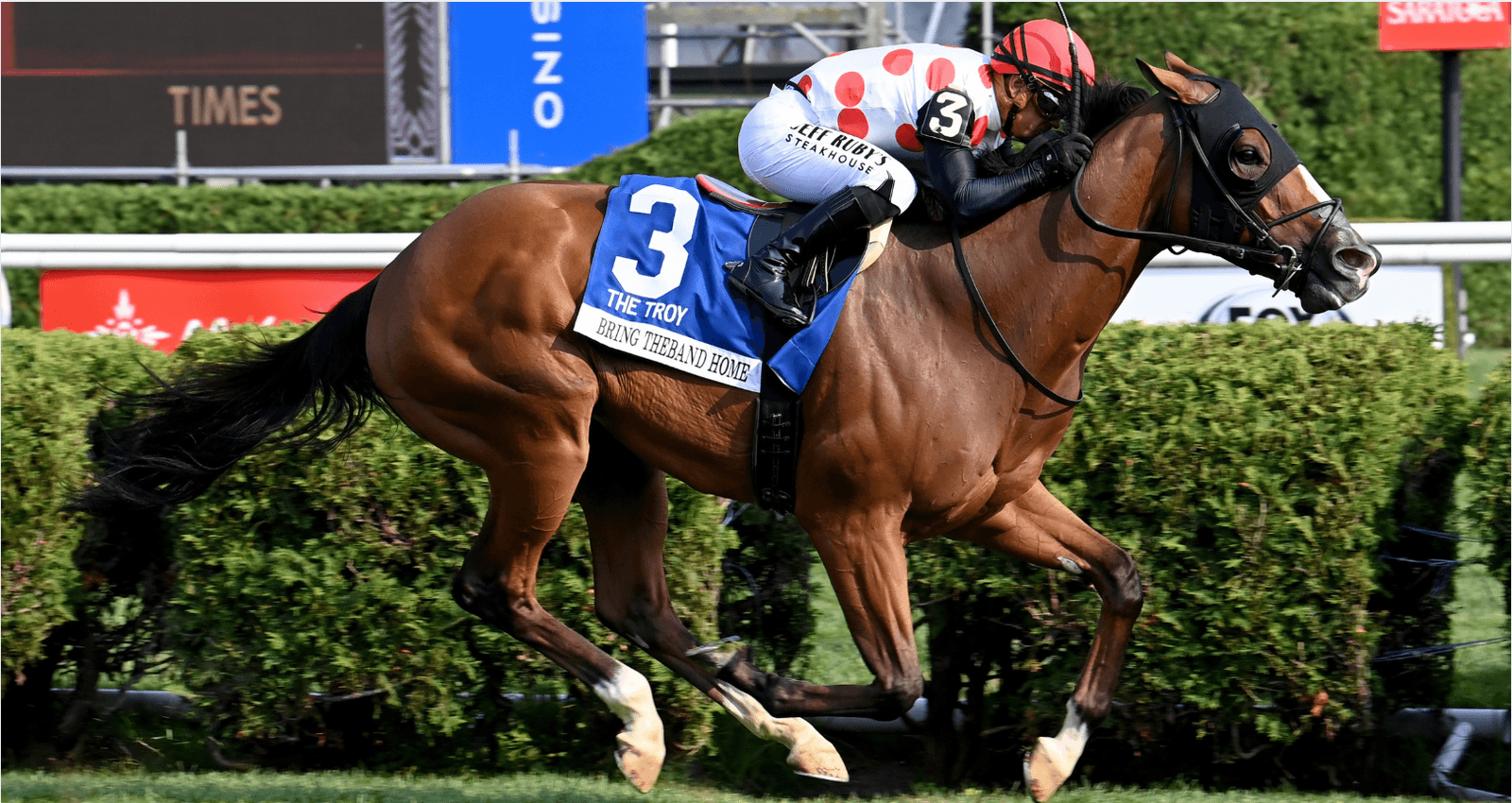
Kent Sweezey returns to Churchill Downs as a homecoming
Kent Sweezey’s Churchill Downs move is a strategic return to the Bluegrass, placing a 14-horse barn inside the sport’s busiest Kentucky pipeline.
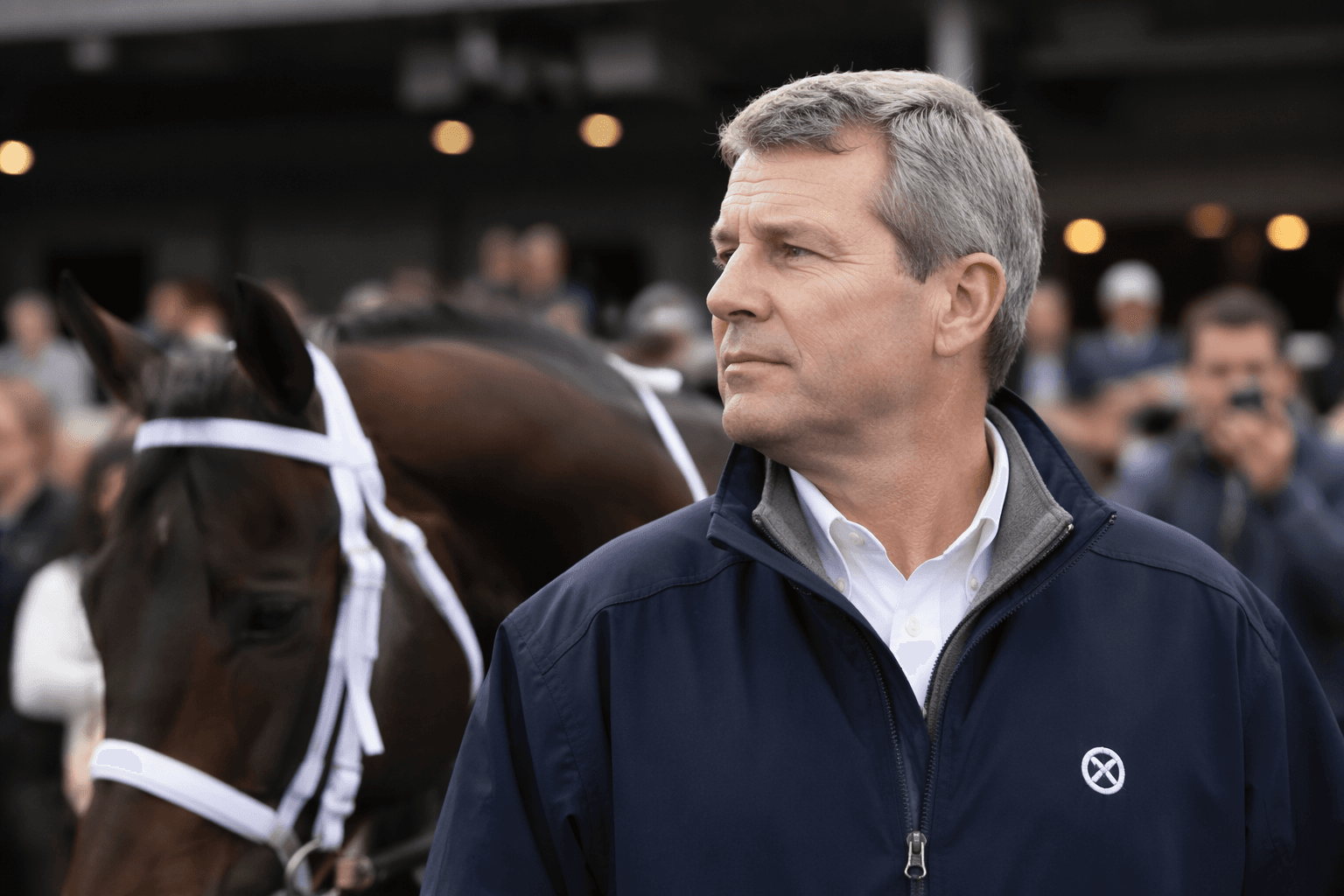
A return that changes the job, not just the address
Kent Sweezey’s move to Churchill Downs lands like a homecoming, but the real story is the competitive advantage that comes with it. He is not arriving as a stranger to Kentucky racing; he is returning to the place where his understanding of the sport was formed, now with a 14-horse division and a résumé that already shows he can operate beyond a local footprint.
That matters in a business where proximity is opportunity. A trainer based at Churchill is closer to owners, closer to the horses moving through one of the sport’s most important training hubs, and closer to the daily rhythm that shapes entries, shipping decisions, and barn momentum. For a mid-sized stable, that kind of positioning can be the difference between being visible and being overlooked.
Why Churchill Downs is more than a mailing address
Churchill Downs is not a seasonal backdrop. The track’s horsemen information reflects a formal, high-volume operation with meet logistics and stabling guidance, which signals a serious, structured environment for participants rather than a casual stopover. That environment gives a trainer constant access to the flow of Kentucky racing, where the local horse population and stakes opportunities can turn a solid barn into a more frequently seen one.
For Sweezey, being based in Louisville also places him inside a recognizable racing ecosystem with real commercial gravity. Owners notice where horses are stabled, where a trainer is working, and whether that trainer can keep a barn connected to the circuit’s most visible opportunities. Churchill does not guarantee success, but it can amplify it for a stable that is ready to be seen more often and in better spots.
The Bluegrass roots that made the move personal
Sweezey’s return carries weight because it connects directly to where he came from. He grew up in Central Kentucky and was introduced to racing through his family’s longstanding involvement in the Thoroughbred industry. His father, Wayne Sweezey, spent many years managing and serving as a partner at Darby Dan Farm, putting the family name inside one of the region’s deepest racing traditions.
That background gives the move a different texture. Sweezey is not learning the language of the backstretch from scratch, and he is not being introduced late to the practical side of the business. He was raised around a world where farms, barns, shipping, and timing all matter, and that kind of early immersion often shows up in the way a trainer handles people as much as horses.
A trainer with measurable experience, not just a sentimental storyline
The homecoming angle would mean less if Sweezey did not already have a record to match it. Equibase lists him as a graded-stakes-winning trainer and shows career totals of 2,867 starts, 382 wins, 378 seconds, 398 thirds, and $13,420,088 in earnings as of May 24, 2026. Those are not the numbers of a horseman looking for a first break. They belong to a trainer who has spent years operating at scale.
His recent arc also helps explain why Churchill is meaningful now. BloodHorse reported that he earned his first career victory in 2017, and in 2024 described him as a stakes-winning conditioner at Oaklawn Park. Taken together, those markers show a career that has moved forward steadily, with Churchill serving as the next stage rather than a reset button.
What a 14-horse barn can gain from the right base
A 14-horse division is large enough to matter, but small enough that location can still shape outcomes. At Churchill, Sweezey has a chance to place himself where horsemen, owners, and opportunities are concentrated, which can sharpen a stable’s day-to-day efficiency and raise its profile among decision-makers. For a trainer trying to keep momentum, that proximity can matter as much as any single horse.
It also helps that Churchill sits inside Kentucky’s most visible racing lane. Being there gives a barn more natural access to the state’s high-profile circuit, where visibility can feed confidence, confidence can feed participation, and participation can feed better entries. In practical terms, that is how a mid-sized stable becomes more than the sum of its numbers.
The family legacy behind the name
Darby Dan Farm adds another layer to why Sweezey’s return resonates. The farm’s history page places the family in a rare company of classic winners and global success: Chateaugay and Proud Clarion won the Kentucky Derby in 1963 and 1967, Roberto won the English Derby in 1972, and Proud Truth captured the Breeders’ Cup Classic in 1985.
That legacy does more than decorate the family tree. It explains why the Sweezey name carries familiarity in Kentucky racing circles and why this move feels rooted in the sport’s older architecture. When a trainer returns to Churchill from that background, the move is not just about geography. It is about re-entering a system that already knows what kind of racing lineage the name represents.
What to watch next
The key question is not whether Sweezey belongs at Churchill. His record, family background, and current stable already answer that. The better question is how quickly the move turns into leverage, with a stronger daily footprint in Louisville translating into better placement, more visibility, and a deeper role in Kentucky’s racing calendar.
If Churchill is where the sport’s daily business becomes most concentrated, then Sweezey has positioned himself exactly where a trainer can be judged in real time. For a horseman with a 14-horse barn, a graded-stakes résumé, and Bluegrass roots that run back through Darby Dan, that is not nostalgia. It is a strategic return to the center of the game.
This article was produced by Prism’s automated news system from verified source data, official records, and press releases, then run through automated quality and moderation checks before publishing. The system is built and supervised by the people who set the standards it runs under. Read our full AI policy.
Did this article answer your question?